

Formwork sits at the center of modern concrete building. When the forming stage runs well, everything else moves faster. When it runs poorly, crews lose time on patching, delays, and safety checks. That is why many contractors now treat forming as a system, not a “temporary task.”
Film faced plywood plays a key role in that shift. It helps teams deliver smoother surfaces, quicker stripping, and more predictable reuse. At the same time, new site methods, better accessories, and digital tracking are changing how teams plan and control forming cycles.
This article explains what is changing, why it matters, and how you can apply it on real projects—especially if you buy panels in volume.
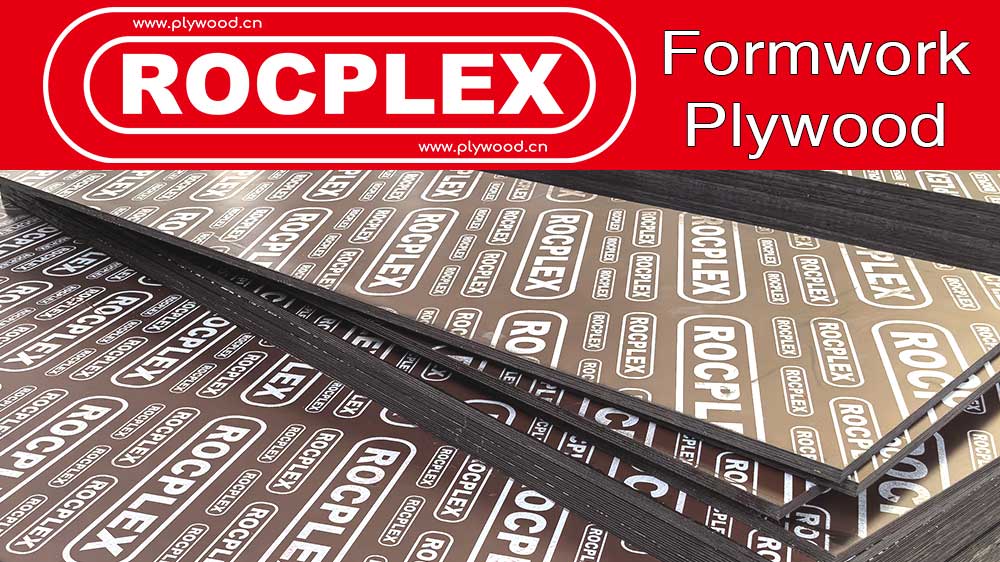
Why formwork innovation matters more than ever
Concrete schedules have less slack than they did ten years ago. Labour costs rise. Site rules tighten. Meanwhile, owners expect better finish and fewer defects. As a result, contractors push harder on cycle time and quality control.
Innovation is not always a new machine. Often, it is a better routine:
- consistent panel selection
- cleaner release practices
- smarter storage and handling
- tighter checks on spacing and load
- clear rules for repair and rotation
When you connect these steps, you reduce waste and keep production steady across floors and pours.
Film faced plywood and the shift to “system thinking”
A forming system is only as strong as its weakest part. If the face releases well but the edges swell, the panel still fails early. If the panel is strong but crews over-span, the concrete face still suffers.
Film faced plywood supports system thinking because it offers:
- a sealed, smooth surface that reduces sticking
- improved resistance to wet cycles compared with bare panels
- faster cleanup, which protects labour hours
- a more consistent concrete finish, which reduces rework
That is why many high-output sites standardize on film faced plywood for slabs, walls, beams, and cores.
If you want a product reference point for internal linking, you can direct readers to your own product page:
ROCPLEX Film Faced Plywood
Formwork innovations you can see on site today
1) Better panel surfaces for cleaner release
The clearest change is the surface itself. Contractors now demand smoother concrete with fewer marks. Therefore, they choose panels designed for release and abrasion resistance.
Film faced plywood supports this because the phenolic film reduces cement paste bonding. In practice, that means quicker stripping and less scraping. It also helps crews keep panels in service longer when they clean correctly.
2) Edge protection becomes standard, not optional
Edge swelling causes joint gaps. Joint gaps cause fins and paste leakage. That sequence adds labour and damages the finish.
Modern programs treat edge sealing as a must-have. They seal at the factory. Then they reseal after cutting on site. This small action protects the core and improves reuse.
3) Faster cycling through smarter accessories
Many “innovations” come from accessories:
- better clamps and ties that reduce movement
- improved corners that hold alignment
- consistent beam spacing that reduces deflection
- simpler lifting points that reduce edge damage
These upgrades do not replace good panels. Instead, they help panels perform closer to their real capability.
For slab support systems, you can also add an internal reference:
Slab H20 Beams
Formwork innovation is also about data and control
Large contractors now track panel life like they track tools. They want to know:
- how many cycles each panel completes
- what damage pattern appears most often
- where panels fail first
- which crews get the best results
Even simple tracking improves buying decisions. For example, if most damage comes from edge cuts, you can tighten cut rules and resealing. If most damage comes from handling, you can change lift and stack routines.
This is where “cost per pour” becomes practical. It changes the purchase conversation from price per sheet to performance per cycle.
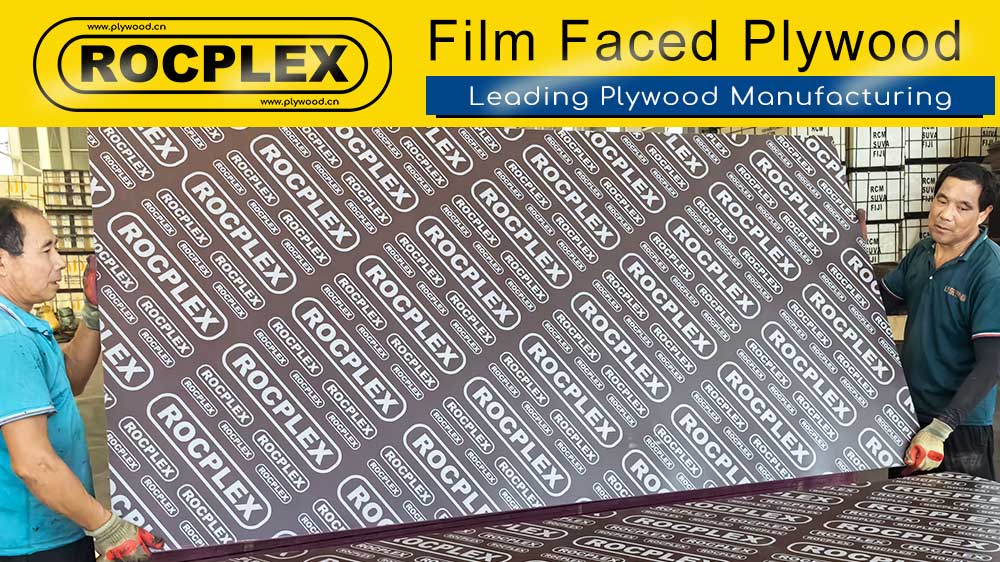
Film faced plywood selection for modern formwork needs
To match today’s expectations, buyers should focus on what drives repeat performance:
Face quality and film consistency
A stable film helps release and reduces cleanup. It also protects the face veneer from abrasion during handling.
Core stability
Core gaps create weak zones. Weak zones crack under load. Therefore, core discipline matters as much as surface finish.
Bonding and wet-cycle resistance
Wet concrete routines stress glue lines. If the bonding is poor, panels delaminate or soften early. For that reason, many buyers specify a bonding class intended for wet service.
Flatness and thickness tolerance
Flat panels close joints better. They reduce leakage. They also produce a more even concrete face.
If you want to guide readers through product categories, add a supporting internal link:
Formwork Plywood
Common formwork pain points and practical fixes
Uneven slab finish
This issue often comes from deflection, poor spacing, or tired panels. First, confirm your spacing. Next, remove panels that show permanent bow. Then standardize release and cleaning so the surface stays consistent.
Paste leakage at joints
This often points to edge swelling or poor joint control. Choose sealed-edge panels. Also keep packs dry and off the ground. Finally, reseal cuts on the same day.
Slow stripping
Slow stripping usually follows face damage, over-oiling, or poor cleaning. Use a thin, even release coat. Clean after each pour. Avoid sharp metal scraping that cuts the film.
Short panel life
Panel life drops when crews mix good panels with rough handling. Set clear rules for storage, repair, and rotation. Those rules often add more cycles than any “new product” claim.
How ROCPLEX supports modern formwork programs
ROCPLEX supplies film faced plywood to buyers who need consistent results across containers, sites, and seasons. For those customers, the target is not a perfect brochure sheet. The target is repeat performance.
A consistent program focuses on:
- stable production control for repeat orders
- export-ready packing that reduces corner damage
- practical guidance on handling, sealing, and repair
- clear specs that match site routines
If your article needs a “trust builder” section, link to your company page:
About ROCPLEX
Sustainability and modern formwork expectations
Owners now ask about waste, reuse, and sourcing. Forming plays a large role because panels cycle in high volume.
Film faced plywood helps in two ways:
- Reuse reduces waste. More cycles per sheet means fewer sheets consumed.
- Better finish reduces rework. Fewer repairs means fewer materials and less labour.
If your customers also ask about documentation, you can reference widely used EU and US guidance as outbound links (these also help Yoast turn “Outbound links” green):
- APA guidance on concrete form panels
- NIST PS 1 baseline (US plywood standard context)
- EU CPR overview (EU construction products framework)
Formwork installation habits that protect quality
Innovation only works when crews apply it. These habits deliver quick wins:
- Store panels flat on full supports.
- Keep packs off the ground and protected from standing water.
- Use release agent lightly and evenly.
- Clean after stripping with plastic tools.
- Repair early and reseal exposed wood.
- Rotate panels so wear stays balanced.
These steps look simple. However, they decide whether your panel performs like a “premium product” or like a short-life consumable.
A practical buying checklist for formwork panels
If you buy in bulk, use this checklist to reduce risk:
- confirm size, thickness, and tolerance
- confirm face type and intended finish level
- confirm edge sealing method and cut-edge rules
- confirm packing method (corner guards, straps, moisture cover)
- define receiving checks and photo records
- agree on claims process and batch tracking
For procurement teams, this is the fastest route to stable performance across projects.
If you want to push readers toward action, place your contact link near the end:
Contact ROCPLEX
FAQs
Does film faced plywood improve concrete finish?
Yes. The film supports cleaner release and reduces surface defects when spacing and vibration are correct.
How do innovations change the forming process?
They improve control. Better surfaces, better accessories, and better routines reduce delays and rework.
What is the biggest driver of panel reuse?
Handling and maintenance. Good storage, correct release use, gentle cleaning, and fast repair protect cycles.
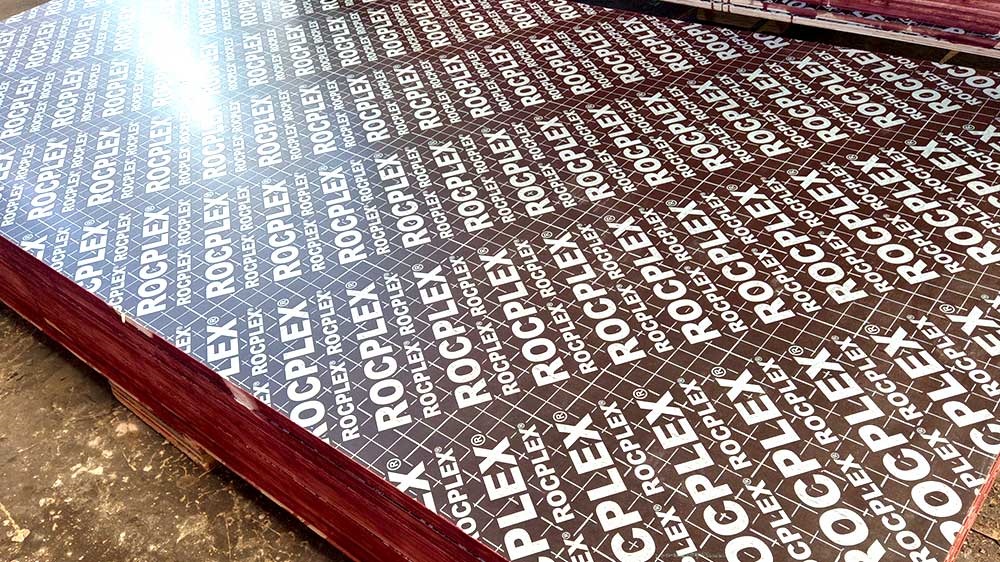
Film faced plywood keeps modern formwork moving
Today’s concrete projects demand speed and consistency. That pressure makes innovation unavoidable. Film faced plywood fits this new reality because it supports cleaner release, smoother finish, and stronger reuse when teams follow a disciplined routine.
If you want forming cycles you can plan around, standardize your panel spec, standardize your handling rules, and work with a supplier that can deliver consistent lots. ROCPLEX supports that approach with film faced plywood designed for repeat pours, export programs, and predictable performance.
Post time: Dec-02-2024