

What is Plywood Formwork?
Plywood formwork serves as a temporary structure in construction. It helps to shape and support concrete during the curing process. This ensures the concrete hardens properly and gains the required strength. The formwork involves the use of plywood panels. Workers use these panels to build molds for pouring concrete. They provide stability during the process. Additionally, they help achieve the desired shape for structural elements. This method is widely used in modern construction projects.
Plywood is a preferred material for formwork due to its strength, flexibility, and cost-effectiveness. Workers can cut and adjust it on-site to match project needs, which makes it versatile across many construction applications. Contractors use timber formwork for foundations, walls, and slabs. It delivers a high-quality finish and supports repeat use, so it remains a practical option for many construction teams.
Importance of Plywood Formwork in Construction
Plywood formwork plays a crucial role in ensuring the quality and stability of concrete structures. Its primary function is to provide the mold that shapes the concrete, allowing builders to achieve the desired design and structural integrity. The use of plywood formwork is common in both residential and commercial construction, offering a balance between cost and performance.
The versatility of slab formwork makes it an ideal choice for a wide range of projects, from small-scale residential buildings to large commercial structures. Its ease of use and adaptability allow for precise concrete pouring, reducing the likelihood of errors or imperfections. Furthermore, slab formwork helps improve the efficiency of construction by speeding up the process of setting up and dismantling molds, ultimately reducing labor costs and project timelines.

Types of Plywood Formwork
There are several types of plywood formwork, each tailored to different construction needs and requirements. Understanding these types helps builders select the most suitable formwork for their projects.
1. Phenolic Plywood Formwork
Phenolic plywood formwork uses a phenolic film coating to improve moisture resistance and durability. Builders choose it for formwork that faces moisture or harsh conditions, such as outdoor construction or high-humidity environments. Phenolic plywood provides a smooth surface finish on the concrete, reducing the need for additional finishing work.
2. Shuttering Plywood
Shuttering plywood is a common type of plywood formwork that helps builders create temporary molds for concrete. Manufacturers bond high-quality wood veneers with strong adhesives to deliver solid strength and stability. As a result, shuttering plywood carries the weight of wet concrete without warping or bending, which makes it a reliable option for many construction applications. It is particularly useful in creating slabs, beams, and columns.
3. Film-Faced Plywood Formwork
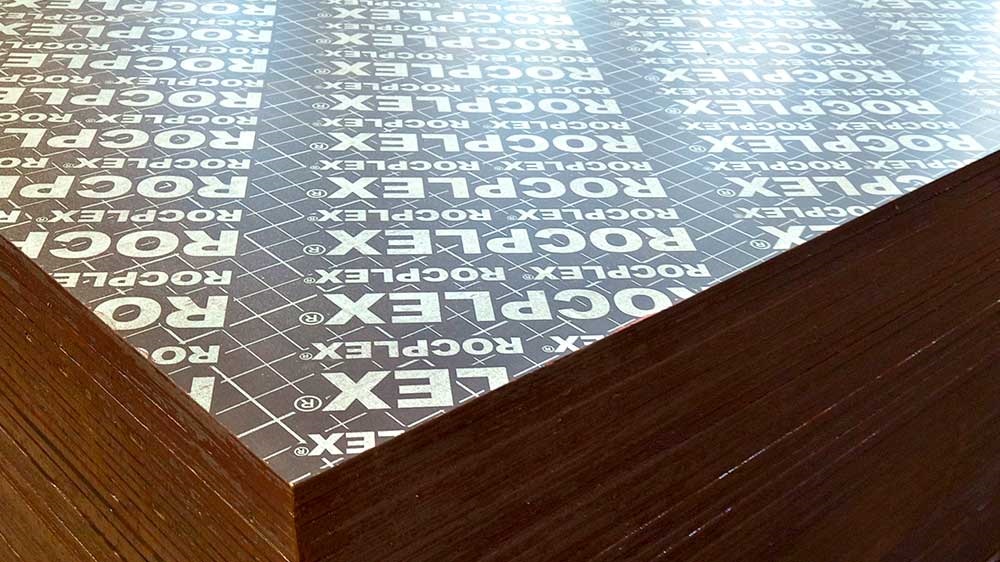
Film-faced plywood formwork is covered with a durable film that makes it water-resistant and easy to clean. Builders often use this plywood on projects that require multiple formwork reuses. The film coating helps protect the plywood from moisture and concrete, extending its lifespan and making it a cost-effective option for projects that require multiple uses of formwork panels.
4. Timber Plywood Formwork
Manufacturers make timber plywood formwork from natural wood, so it suits projects that need on-site customization. Its ease of cutting and shaping allows it to adapt seamlessly to unique designs and complex architectural features. While it may not match the durability of phenolic or film-faced plywood, it remains a favored option for smaller projects or specific sections of larger structures, offering both flexibility and practicality in construction.
Benefits of Using Formwork
Plywood formwork offers numerous benefits, making it a popular choice among construction professionals.
- Cost-Effectiveness: One of the main advantages of plywood formwork is its cost-effectiveness. Plywood costs less than steel or aluminum formwork, so it suits projects with tight budgets. In addition, teams can reuse slab formwork many times, which reduces overall costs even further.
- Versatility: Plywood formwork offers high versatility across many construction applications. Because it is flexible, workers can cut and shape it on-site to match the layout. As a result, it suits both standard formwork plans and more complex designs. Whether used for walls, slabs, or columns, slab formwork provides the adaptability needed to meet the unique requirements of each project.
- High-Quality Finish: Plywood formwork provides a smooth and even surface for concrete, resulting in a high-quality finish. This minimizes the need for additional surface treatments or corrections, saving both time and money during the finishing phase of construction. The smooth surface also reduces the likelihood of imperfections or air bubbles in the concrete.
- Easy Handling and Installation: Plywood formwork weighs less than steel, so workers can handle and install it more easily. This reduces the labor required for setting up and dismantling the formwork, ultimately speeding up the construction process. The ease of handling also enhances safety on the construction site by reducing the risk of injuries.
Choosing the Right Plywood Formwork for Your Project
Selecting the right type of plywood formwork depends on several factors, including the size and complexity of the project, budget constraints, and the desired finish quality.
- Phenolic Plywood: Phenolic plywood suits projects that need strong moisture resistance. It is ideal for outdoor construction or environments with high humidity, as it provides excellent durability and a smooth finish.
- Shuttering Plywood: Shuttering plywood suits many formwork tasks, from slabs to columns. Its strength and stability make it a reliable choice for projects that require a sturdy formwork solution.
- Film-Faced Plywood: Film-faced plywood is ideal for projects that require multiple uses of the formwork. The water-resistant film coating makes cleaning and maintenance simple. As a result, teams can reuse the panels while still achieving a consistent concrete finish.
- Timber Plywood: Timber plywood is best for projects that require customization or unique designs. It is easy to cut and shape, making it suitable for architectural features that require a high degree of flexibility.
Advances in Ply Formwork Technology
Advancements in plywood formwork technology are making construction projects more efficient and cost-effective.
- Improved Coatings: Manufacturers now use new coatings, such as advanced phenolic films, to improve the durability and water resistance of plywood formwork. These coatings help extend the lifespan of the formwork and improve the quality of the finished concrete surface.
- Lightweight Panels: Advances in material design have led to lighter plywood panels that still meet the strength and durability needs of construction work. Because these panels are easier to carry, position, and install, crews can work faster, reduce handling strain, and lower labor costs while maintaining jobsite efficiency.
- Sustainable Materials: Many manufacturers are now producing slab formwork from sustainably sourced timber, reducing the environmental impact of construction. By using certified wood and environmentally friendly adhesives, plywood formwork can contribute to more sustainable building practices.
Best Practices for Plywood Formwork Installation
Proper installation of plywood formwork is essential for ensuring the quality and safety of the finished concrete structure. Here are some best practices to follow during installation:
- Plan Ahead: Proper planning is key to the successful installation of slab formwork. This includes selecting the right type of plywood, determining the sequence of work, and ensuring that all materials and equipment are available on-site.
- Secure Connections: Ensure that all formwork panels are securely connected to prevent movement during the concrete pouring process. Loose connections can lead to misalignment or bulging of the concrete, compromising the structural integrity of the building.
- Use Release Agents: Applying a release agent to the formwork before pouring concrete helps to prevent the concrete from sticking to the panels. This makes it easier to remove the formwork once the concrete has cured and extends the lifespan of the plywood.
- Regular Inspection: Inspect the formwork regularly to ensure that all components are in good condition. Replace any damaged or warped panels to prevent defects in the finished concrete.
- Safety First: Always prioritize safety when working with timber formwork. Ensure that all workers are properly trained in formwork installation and that all safety guidelines are followed. Proper bracing and support should be used to prevent the formwork from collapsing under the weight of the concrete.
Environmental Considerations in Ply Formwork
The environmental impact of plywood formwork is an important consideration in modern construction. With a growing emphasis on sustainability, many builders are looking for ways to reduce the carbon footprint of their projects.
- Reusable Formwork: One of the most effective ways to reduce the environmental impact of timber formwork is to use it multiple times. By reusing formwork panels, builders can reduce the need for new raw materials and minimize waste.
- Sustainable Materials: Many manufacturers are now producing plywood formwork from certified sustainable timber. This helps to reduce the environmental impact of construction while still providing the strength and durability needed for high-quality concrete structures.
- Efficient Design: Advances in formwork design are helping to reduce waste by using modular systems and prefabricated panels. This minimizes the amount of material needed for each project, leading to less waste and a smaller environmental footprint.
Ply Formwork for High-Quality Concrete Construction Projects
Plywood formwork is an essential component of modern construction, providing the support needed to shape and secure concrete structures. Whether used in small residential projects or large commercial developments, timber formwork offers versatility, cost-effectiveness, and high performance.
There are various types of timber formwork available. Each type offers unique benefits. Choosing the right plywood formwork depends on the specific needs of the project. It is important to assess these needs carefully before making a decision.
Advancements in technology are improving timber formwork. These improvements enhance both its quality and sustainability. Despite changes in the construction industry, plywood formwork remains reliable. It is also a valuable tool for construction professionals. Its versatility and effectiveness make it a popular choice in many projects.
Post time: Dec-29-2024