

What is Faced Plywood?
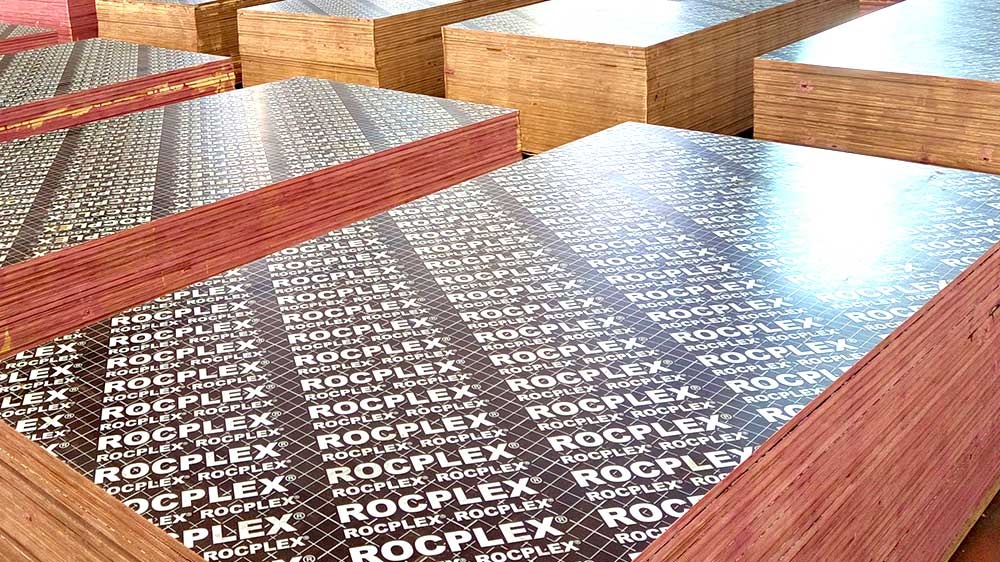
Faced plywood includes a surface layer that improves durability and protects the panel during use. It resists moisture, wear, and impact. This makes it commonly used in construction, especially in formwork. In these applications, the plywood must withstand the rigors of casting concrete.
Faced plywood differs from standard plywood due to its protective film or laminate layer. This layer provides additional strength and longevity. The most widely recognized types of film plywood include film face plywood, shuttering plywood, and formwork plywood.
In construction, faced plywood plays a critical role in projects requiring durable and reusable formwork. This plywood is built to withstand harsh conditions and maintain both strength and dimensional stability. Additionally, its smooth surface finish allows for easy removal from concrete molds, minimizing the risk of damage to the concrete surface.
Film faced plywood is a widely used option for shuttering because it offers strong water resistance. This makes it ideal for outdoor construction, especially where exposure to rain and moisture is common. The plywood’s ability to be reused multiple times also makes it an economical choice for large construction projects.

The Types of Faced Plywood and Their Uses
Faced plywood comes in several varieties, each suited to specific construction needs. Understanding the differences between these types will help you choose the right material for your project.
Film Faced Plywood
Film faced plywood uses a phenolic film coating that creates a smooth, water-resistant surface. Contractors commonly use it in formwork to build molds for poured concrete. The smooth film ensures that the concrete doesn’t stick to the plywood, making it easy to remove once the concrete has set.
Advantages of Film Faced Plywood
Film faced plywood is highly durable and can withstand exposure to water and harsh weather conditions. This makes it an ideal material for outdoor construction projects. Its smooth surface reduces the need for additional finishing on the concrete, saving time and effort on-site. Additionally, film face plywood can be reused multiple times, which contributes to its cost-effectiveness.
Applications in Construction
Film faced plywood is primarily used in formwork for pouring concrete. It is also popular for use in shuttering plywood for large-scale construction, such as bridges, roads, and high-rise buildings. Due to its water-resistant properties, it is also used in outdoor furniture and structures exposed to the elements.
Shuttering Plywood
Shuttering plywood is another common form of faced plywood, specifically designed for use in temporary construction, such as creating molds or frameworks for concrete pouring. Formwork plywood is known for its strength and stability, making it a go-to material in the construction industry.
Durability in Formwork
Shuttering plywood handles the pressure of wet concrete and keeps its shape throughout the curing process. Because it lasts through repeated pours, it helps control costs on large-scale projects. In addition, manufacturers often apply water-resistant coatings to protect the panel from moisture during construction.
Role in Temporary Structures
Shuttering plywood supports more than concrete molds. Construction teams also use it in scaffolding decks and other temporary structures where strength and reliable support matter. Its reusability and affordability make it a popular choice for contractors working on extensive building projects.
Formwork Plywood
Formwork plywood is a type of faced plywood engineered specifically for building molds for poured concrete. It is highly durable, able to withstand the immense pressure and weight of concrete, while its smooth surface ensures an even finish for the concrete structure.
Strength and Stability in Concrete Pouring
Manufacturers bond high-quality wood veneers with strong adhesives to keep formwork plywood stable during concrete pours. Its smooth surface reduces the need for additional concrete finishing, making it a time-saving option in construction. Formwork plywood lasts through multiple pours, which makes it a cost-effective option for large construction projects.
Reusable and Cost-Effective
The ability to reuse formwork plywood is a major advantage in construction. With proper cleaning and dry storage between pours, high-quality formwork plywood can achieve 50 or more reuses on many projects. This reusability not only reduces costs but also minimizes waste, contributing to more sustainable construction practices.
Construction Plywood
Construction plywood supports a wide range of structural applications. It includes types such as film-face plywood, shuttering plywood, and formwork plywood. Manufacturers build this plywood by stacking multiple wood veneers and gluing them together with alternating grain directions. This construction provides superior strength and stability.
Versatility in Construction
Construction teams use construction plywood for many tasks, including flooring, roofing, wall sheathing, and subflooring. Its versatility and durability make it a staple material in construction projects of all sizes. Manufacturers often treat construction plywood with preservatives to improve resistance to moisture, insects, and decay. This treatment helps the panels last longer in demanding environments.
Cost and Efficiency
One of the key benefits of construction plywood is its cost-efficiency. Compared to other materials, construction plywood provides excellent value for money, offering both strength and durability at an affordable price. It fits many parts of a building, so project teams can rely on fewer material types. This approach simplifies procurement and can speed up site work.
Benefits of Using Faced Plywood in Construction
The use of faced plywood in construction offers several benefits, ranging from durability and reusability to ease of installation. Whether you’re using film face plywood or shuttering plywood, the advantages of these materials are clear.
Durability and Strength
Faced plywood is known for its durability. It is a reliable choice for projects that require materials capable of withstanding heavy loads and environmental challenges. Film-faced plywood, in particular, is treated to be water-resistant. This treatment ensures it remains strong and intact even when exposed to moisture.
Water Resistance
The phenolic film coating on film faced plywood provides a high level of water resistance, making it ideal for outdoor construction projects. This water-resistant layer prevents the plywood from absorbing moisture, which can lead to warping, swelling, or deterioration over time.
High Load-Bearing Capacity
Formwork plywood and shuttering plywood are designed to bear the weight and pressure of wet concrete during the pouring and setting process. Their high load-bearing capacity ensures stability throughout the project. This reduces the risk of accidents or structural failure.
Reusability and Cost Savings
One of the standout benefits of faced plywood is its reusability. Contractors can reuse high-quality faced plywood many times before replacement. This reuse improves cost control on long-term and large-scale projects.
Economic Advantages
The ability to reuse faced plywood reduces material costs over the course of a construction project. While the initial investment may be higher than other materials, the long-term savings from reusability make faced ply a smart financial choice.
Sustainability in Construction
The reusability of faced plywood also contributes to more sustainable construction practices. By using fewer new panels over time, contractors reduce the amount of plywood that factories need to produce. They also cut on-site waste and lower the environmental impact of each project.
Smooth Finish for Concrete Structures
The smooth surface of film faced plywood and formwork plywood ensures a high-quality finish on concrete structures. When used in formwork, these plywood sheets create a uniform surface that requires little to no additional finishing, saving time and labor during the construction process.
- Ease of Installation and Removal
- The smooth finish of faced plywood also makes it easier to remove from concrete molds once the concrete has set. This reduces the risk of damaging the concrete surface, ensuring a clean and professional result. The ease of installation and removal also speeds up the construction process, allowing for faster project completion.
Versatility in Application
Faced plywood is a versatile material that can be used in a wide range of construction applications. From formwork and scaffolding to temporary structures and concrete pouring, faced plywood provides a reliable solution for numerous construction challenges.
- Indoor and Outdoor Use
- Whether you’re working on an indoor renovation or an outdoor construction project, faced plywood is up to the task. Its water-resistant properties make it suitable for outdoor use, while its strength and smooth finish make it ideal for interior applications as well.
Faced Plywood: Choosing the Right Type for Your Project
When selecting the right type of faced plywood for your construction project, it’s important to consider the specific requirements of the task at hand. Different types of faced plywood offer unique benefits, so understanding these differences can help ensure the best results.
Factors to Consider When Choosing Faced Plywood
Choosing the appropriate faced plywood depends on factors like load-bearing capacity, moisture exposure, and reusability. Here’s a breakdown of what to look for:
Moisture Resistance
If the panels will face moisture or outdoor exposure, choose film faced plywood. Its water-resistant surface helps the sheet stay stable and keeps the concrete face clean. As a result, the formwork strips more easily and supports more reuses. Shuttering plywood, though durable, may not provide the same level of protection unless treated with additional coatings. For areas with high humidity or exposure to rain, marine plywood can also be a good alternative.
Load Requirements
Formwork plywood is built to carry the weight and stress of heavy pours and high-pressure loads. For that reason, it suits large-scale construction where structural integrity is critical.
Reusability
If you are working on a long-term project or a series of projects, choosing faced plywood with high reusability can save significant costs over time. Film-faced plywood and formwork plywood both support multiple reuses. This makes them ideal for contractors looking to maximize their investment.
Installation Tips for Faced Plywood
Installing faced plywood requires careful handling to ensure its durability and effectiveness over time. Whether you are working with shuttering plywood, film face plywood, or general construction plywood, following best practices will help achieve optimal results.
Proper Storage of Faced Plywood
Before installation, it’s important to store faced plywood properly to prevent damage. Store plywood sheets in a dry, well-ventilated area to prevent moisture exposure and reduce the risk of warping. Additionally, storing the plywood flat and supported will help maintain its structural integrity until it’s ready for use.
- Protecting the Film Surface
- For film faced plywood, it’s crucial to protect the surface from scratches or abrasions during storage and handling. Damaging the film layer can compromise the plywood’s water resistance, which is essential for outdoor and concrete formwork applications.
Cutting and Shaping Faced Plywood
When cutting faced plywood, it’s important to use sharp tools to prevent splintering or damaging the surface. For film plywood, using a saw with fine teeth will help achieve clean, smooth cuts without affecting the phenolic film.
- Sealing Cut Edges
- To maintain the plywood’s water-resistant properties, it’s advisable to seal any cut edges with a waterproof sealant. This step is particularly important for film plywood, as exposing the inner layers of the plywood to moisture can lead to warping or rot.
Fastening Faced Plywood
When fastening faced plywood to formwork or other structures, pre-drilling holes for screws or nails can help prevent splitting or damage. Additionally, using fasteners made from corrosion-resistant materials, such as stainless steel or galvanized nails, ensures that the plywood remains securely attached. This is especially important in wet or outdoor environments.
Faced Plywood Maintenance and Care
Proper maintenance extends the service life of faced plywood, especially when teams reuse it across multiple pours in construction projects. With the right care, film face ply and formwork plywood can retain their strength and durability over many uses.
Cleaning and Reusing Faced Plywood
Clean faced plywood thoroughly after each use to remove debris and concrete residue. For film plywood, this involves wiping down the surface with a damp cloth and mild detergent. Avoid using harsh chemicals that could damage the phenolic film.
- Inspecting for Damage
- Before reusing plywood, inspect each sheet for cracks, warping, or damage to the film layer. Repair minor damage, such as scratches, with wood filler or a suitable sealant. However, replace severely damaged panels to protect safety and maintain structural integrity on the next pour.
Proper Storage Between Uses
To prolong the life of faced plywood, it’s important to store it properly between uses. Store plywood in a dry, covered area to protect it from moisture and direct sunlight. If possible, store the plywood sheets horizontally with support underneath to prevent bending or warping.
The Future of Faced Plywood in Construction
As construction practices continue to evolve, faced plywood is likely to remain a key material in the industry. Its durability, versatility, and sustainability make it a valuable choice. With a growing focus on eco-friendly building materials, plywood offers a renewable option. It reduces environmental impact while providing excellent performance in construction.
Sustainability and Environmental Impact
Plywood, including faced plywood, is a renewable resource when sourced from sustainably managed forests. Many manufacturers now prioritize sustainable forestry by sourcing wood from responsibly managed forests that support replanting and long-term renewal.
- Recyclability of Plywood
- Another advantage of faced plywood is its recyclability. At the end of its service life, teams can repurpose plywood or send it for recycling into new products. This approach reduces the amount of waste that ends up in landfills. This makes plywood an eco-friendly choice for construction projects that aim to minimize their environmental footprint.
Innovations in Plywood Technology
The future of faced plywood may see further innovations in the materials and processes used to enhance its performance. Research into new coatings, adhesives, and treatments could lead to plywood with even greater water resistance, strength, and durability. These advancements would make plywood an even more valuable material in the construction industry.
Faced Plywood FAQs (Frequently Asked Questions)
Q: What is faced plywood used for?
A: Construction teams use faced plywood for formwork, shuttering, and concrete molds. They value it for strength, water resistance, and durability, which makes it reliable for both indoor and outdoor projects.
Q: What’s the difference between film faced plywood and shuttering plywood?
A: Film-faced plywood is coated with a phenolic film. This coating makes it water-resistant and provides a smooth surface for concrete casting. In contrast, shuttering plywood is designed for temporary frameworks in construction. However, it may not always have the same water-resistant properties as film face plywood.
Q: Can faced plywood be reused?
A: Yes. Contractors can reuse high-quality faced plywood—especially film faced and formwork plywood—many times in construction. Proper care and maintenance are essential to ensure the plywood remains durable and effective over several uses.
Q: Is faced plywood waterproof?
A: Film faced plywood is water-resistant due to its phenolic film coating, making it ideal for outdoor applications and concrete formwork. Other types of film plywood, like shuttering plywood, may require additional treatments to achieve similar water-resistant properties.
Q: How do you maintain faced plywood?
A: Clean faced plywood after each use and store it in a dry, covered area to prevent moisture damage. Seal any cut edges to maintain water resistance. Repair minor damage when possible, and replace badly damaged sheets when the panel can no longer perform safely.
Faced plywood remains a cornerstone in modern construction due to its durability, versatility, and cost-effectiveness. Whether you’re working with film-face plywood, shuttering plywood, or formwork plywood, these materials provide a reliable solution for various building challenges. They are suitable for applications ranging from concrete casting to temporary structures.
Post time: Feb-04-2025