

What is Shuttering Film Faced Plywood?
Shuttering film faced plywood is a common construction material. Builders use it mainly for shuttering and forming concrete. Manufacturers coat each sheet with a durable, water-resistant film. This coating makes the plywood highly resistant to moisture and wear. The film-coated surface ensures the plywood can withstand harsh conditions. These conditions are typical of construction sites. Exposure to water and pressure is common at such sites.
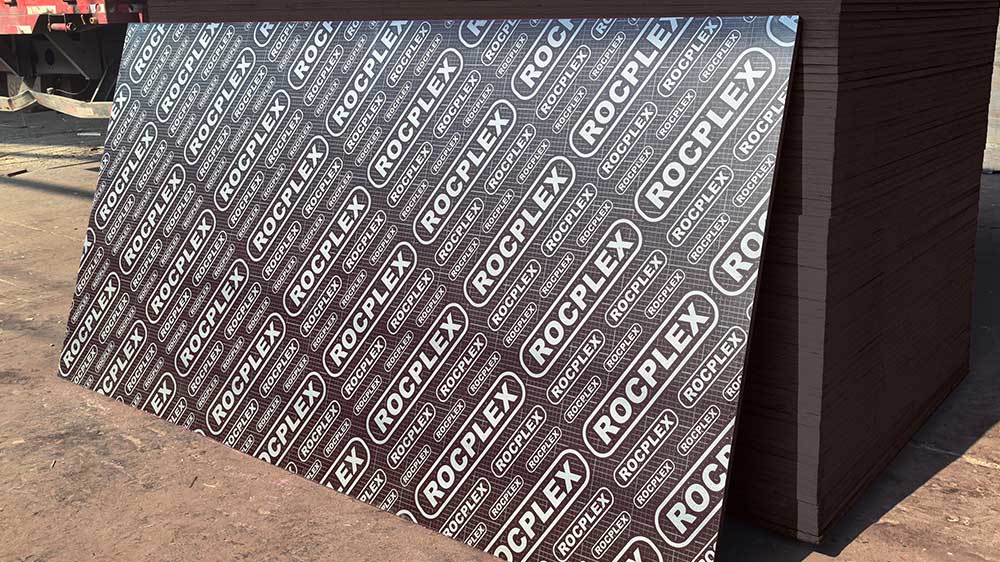
The primary purpose of shuttering film faced plywood is to provide a smooth surface for pouring concrete. This results in high-quality, uniform concrete finishes. Its durability and flexibility make it a popular choice. It is also easy to handle. These qualities have made it widely used in formwork and scaffolding projects. The plywood comes in various thicknesses. Contractors typically use 12mm to 18mm thicknesses for most construction applications.
Thanks to its moisture and wear resistance, builders can reuse the plywood across multiple concrete pours. The smooth finish achieved when using this plywood helps reduce the need for additional finishing on the concrete surface. It also offers an excellent strength-to-weight ratio. This makes shuttering film faced plywood an essential material in large-scale construction projects. It is commonly used in projects like bridges, dams, and skyscrapers.
Key Features of Shuttering Film Faced Plywood
Shuttering film faced plywood is designed to meet the specific demands of the construction industry. Below are the key features that make it an ideal material for formwork applications:
Durability and Strength
The durability of shuttering film faced plywood is one of its most significant advantages. The film coating protects the plywood from moisture, wear, and damage, allowing it to withstand the heavy loads placed on it during concrete pouring. This makes it ideal for high-stress environments such as construction sites, where equipment and materials must endure tough conditions.
Water-Resistance
The film coating on the plywood is highly water-resistant. It prevents the absorption of water, ensuring the plywood does not warp or weaken when exposed to moisture. This is particularly beneficial in concrete shuttering applications. In these applications, the plywood comes into contact with wet concrete. The water-resistant film ensures that the plywood maintains its integrity.
Smooth Finish
Shuttering film faced plywood provides a smooth surface that results in a high-quality finish for poured concrete. This minimizes the need for post-pour finishing, saving both time and money on construction projects. The smooth surface also helps to ensure that the concrete does not stick to the plywood, making the demolding process easier.
Reusability
One of the most significant benefits of shuttering film faced plywood is its reusability. Builders typically complete several concrete pours with the same plywood sheets before they need a replacement. The film surface helps to protect the plywood from wear and tear, allowing it to maintain its structural integrity even after repeated use.
Shuttering Film Faced Plywood vs. Other Types of Plywood
Shuttering Film Faced Plywood vs. Regular Plywood
Builders use regular plywood for general construction, but it does not provide the moisture resistance or durability that concrete formwork needs. Unlike shuttering film faced plywood, regular plywood is prone to swelling, warping, and disintegration when exposed to water. In addition, regular plywood does not provide the smooth finish necessary for high-quality concrete pours.
A special film coat gives shuttering film faced plywood strong moisture resistance. Regular plywood usually comes without treatment. The film surface of shuttering plywood offers a much smoother finish. This prevents the concrete from sticking to the plywood. It also allows for easy removal after pouring.
Shuttering Film Faced Plywood vs. MDF
MDF (Medium Density Fiberboard) is another type of plywood used in construction. However, it is not suitable for concrete shuttering. While MDF is smooth and can provide a good finish, it lacks the strength required for formwork applications. Additionally, it does not have the water resistance needed for such tasks. MDF tends to swell when exposed to moisture, making it unreliable in harsh construction conditions.
By contrast, manufacturers design shuttering film faced plywood to meet construction demands, including moisture exposure and heavy loads. The film coating on shuttering plywood makes it significantly more durable and long-lasting than MDF in concrete applications.
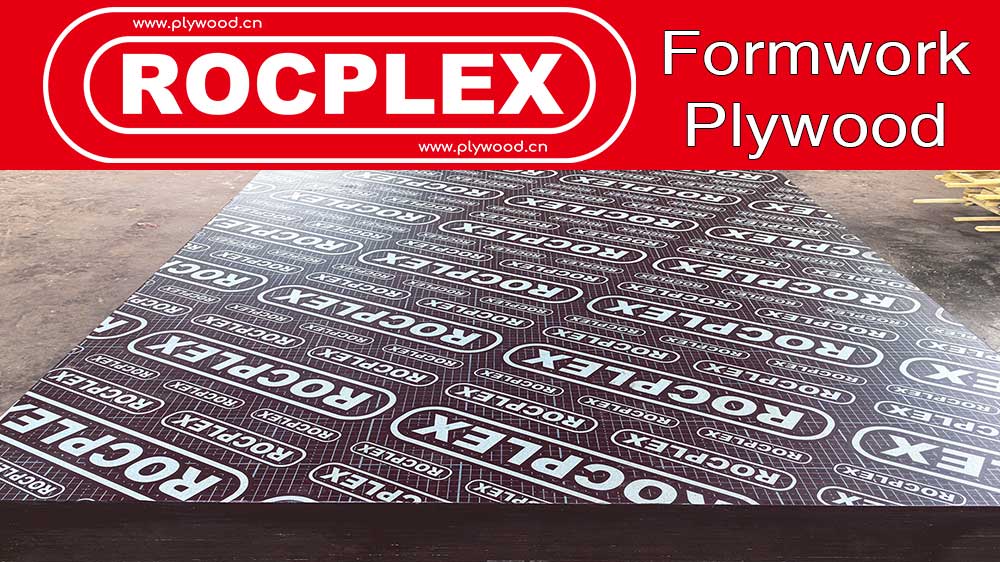
Benefits of Shuttering Film Faced Plywood for Concrete Formwork
Shuttering film faced plywood provides several advantages for concrete formwork, which include:
Enhanced Concrete Finish Quality
The smooth, glossy finish provided by shuttering film-faced plywood helps ensure that the concrete surfaces are uniform and free from defects. This eliminates the need for excessive finishing work after the concrete has set, saving time and labor costs.
Resistance to Corrosion and Damage
The film coating helps protect the plywood from corrosion, damage, and weathering. This makes it an ideal material for formwork in challenging environments. Whether exposed to rain, humidity, or direct contact with concrete, shuttering film faced plywood maintains its integrity. It lasts longer than untreated plywood under these conditions.
Cost-Effectiveness
Although shuttering film faced plywood may come with a higher upfront cost compared to regular plywood or MDF, its durability and reusability make it a more cost-effective solution in the long run. Proper handling and storage help contractors reuse the plywood across multiple pours, which cuts replacement frequency.
Applications of Shuttering Film Faced Plywood
Shuttering film faced plywood is used in a variety of construction applications, including:
Concrete Formwork
The most common use of shuttering film faced plywood is in concrete formwork. Formwork crews use the plywood to build molds and frames that support wet concrete during curing. The smooth surface ensures that the concrete maintains a high finish quality, while the water resistance prevents the plywood from absorbing moisture and deteriorating.
Scaffold Platforms
Builders use shuttering film faced plywood on scaffold platforms. It creates a stable surface for workers. Its resistance to wear and moisture makes it an ideal material for this application, ensuring safety and reliability in construction projects.
Bridge and Road Construction
Shuttering plywood is essential in the construction of bridges and roads, where concrete needs to be poured into forms. Its strength and durability allow it to support the heavy loads involved in these projects, while its water-resistant properties prevent damage from wet conditions.
Maintenance and Care of Shuttering Plywood
To ensure the longevity and optimal performance of shuttering film faced plywood, proper maintenance and care are essential. Below are some guidelines to help maximize the lifespan of this material and maintain its effectiveness in formwork applications:
Cleaning the Surface
After each use, it is important to clean the surface of the plywood thoroughly. Clean the surface after each use to stop residue buildup, which can wear down the film coating over time. A clean surface ensures that the plywood remains smooth and free from defects that could affect the concrete finish in subsequent uses. The best way to clean shuttering plywood is with water and mild detergents. Avoid harsh chemicals that could compromise the integrity of the film surface.
Preventing Physical Damage
While shuttering film coated plywood is highly durable, it is still susceptible to physical damage such as scratches, dents, and gouges. Handling the plywood with care is essential to avoid these issues. Choose a protected, dry storage area and keep the plywood away from impact damage and severe environmental exposure. Proper stacking of plywood sheets can also prevent warping, which could reduce its effectiveness in future uses.
Protection from Extreme Weather Conditions
Although the film coating on shuttering plywood provides excellent resistance to moisture, it is still important to protect the plywood from extreme weather conditions when not in use. Prolonged exposure to direct sunlight, rain, or snow can weaken the film surface over time. If you store the plywood outdoors, cover it with tarps or other protection to block rain and sun. Keeping the plywood dry when not in use will help preserve its water-resistant properties.
Regular Inspections
Before using shuttering film faced plywood for a new project, inspect it carefully. Look for any signs of wear, including cracks, deep scratches, or damage to the film surface. When you find damage, crews should repair the plywood or replace the sheet. This will prevent compromising the quality of the concrete finish. Regular inspections will help identify issues early and ensure that the plywood continues to meet performance standards.
Shuttering Film Faced Plywood in Global Markets
Builders around the world use shuttering film faced plywood because it delivers strong performance and versatile use on construction sites. However, its availability and popularity can vary by region, influenced by local building practices, climate conditions, and economic factors. Here’s a closer look at its role in different global markets:
Shuttering Film Faced Plywood in Asia
In Asia, particularly in countries like China and India, the construction industry has experienced rapid growth, driving demand for quality formwork materials such as shuttering film faced plywood. The region’s extensive infrastructure development, including high-rise buildings, bridges, and roads, relies heavily on durable formwork solutions. Big projects use shuttering plywood because it lasts longer and helps control costs.
Shuttering Film Faced Plywood in Europe
In Europe, builders follow strict environmental rules and quality standards, so they often use shuttering film faced plywood on both residential and commercial projects. Its superior finish and moisture resistance make it the preferred choice for concrete formwork. European markets also appreciate its sustainability, as the material is often sourced from responsibly managed forests and can be recycled or reused multiple times.
Shuttering Film Faced Plywood in North America
In North America, the use of shuttering formwork plywood is widespread. It is particularly common in large-scale infrastructure projects, such as highway construction and skyscraper development. The plywood’s resistance to moisture and ability to withstand harsh weather conditions make it an ideal choice. It is suitable for the varied climates of North America, from hot, dry areas to regions with heavy rainfall or snow. Shuttering plywood is valued for its ability to handle the high-pressure demands of large construction projects.
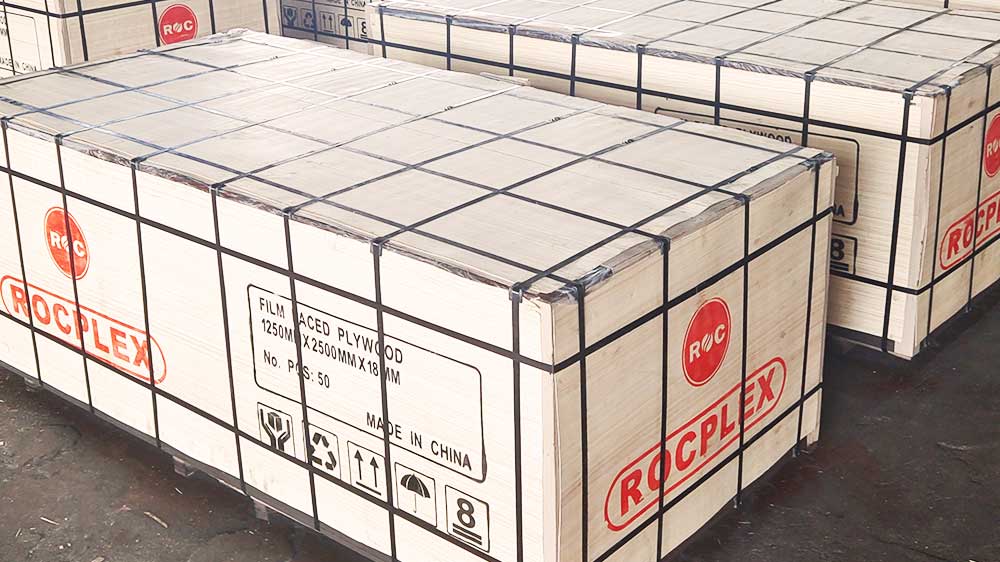
Environmental Considerations and Sustainability of Shuttering Film Faced Plywood
Sustainability is becoming an increasingly important factor in the construction industry. Shuttering film faced plywood is not exempt from this trend. The plywood is often sourced from renewable forests. Many manufacturers adhere to sustainable forestry practices to ensure minimal environmental impact. However, concerns about the environmental footprint of plywood production, including deforestation and carbon emissions, remain.
Sustainable Sourcing
To address these concerns, many companies now source their timber from forests certified by recognized organizations like the Forest Stewardship Council (FSC). These certifications guarantee that the wood used in the plywood comes from responsibly managed forests that prioritize conservation and biodiversity. By opting for FSC-certified shuttering plywood, construction companies can reduce their environmental impact while ensuring the quality of the material.
Reusability
Another key aspect of the environmental sustainability of shuttering film faced plywood is its reusability. Unlike many other construction materials, this plywood can often be reused multiple times in formwork applications. The longer the material can be used, the fewer resources are needed for replacements. This reduces the overall demand for timber and helps decrease waste.
End-of-Life Disposal
When the plywood has reached the end of its useful life, it is important to dispose of it responsibly. Some companies recycle used plywood into other products, such as MDF or composite materials. This can further reduce the environmental impact. However, if the plywood is not recyclable, it should be disposed of in an environmentally conscious manner. Specialized wood recycling programs are an effective way to handle such disposal.
Shuttering Film Faced Plywood: A Comprehensive Comparison
Shuttering film faced plywood is an indispensable material in the modern construction industry. Its durability, water resistance, and ability to deliver high-quality concrete finishes make it the preferred choice for formwork and shuttering applications. By understanding its unique properties, benefits, and applications, construction professionals can make informed decisions when selecting materials for their projects.
While shuttering film faced plywood may be more expensive upfront compared to other plywood options, its longevity and reusability offer significant cost savings over time. Its superior performance also contributes to long-term savings. Whether you’re involved in small residential projects or large-scale infrastructure developments, this type of plywood ensures that your concrete formwork remains efficient and effective. It also guarantees the highest quality.
In an industry where precision, durability, and sustainability are increasingly emphasized, shuttering film faced plywood stands out as a top-tier material. As construction standards continue to evolve, the demand for high-quality, environmentally responsible materials like shuttering plywood will only grow. This trend will shape the future of construction around the world.
Special thanks to ROCPLEX film faced plywood for providing testing and guidance
Post time: Mar-02-2025