

Yellow Ply At A Glance
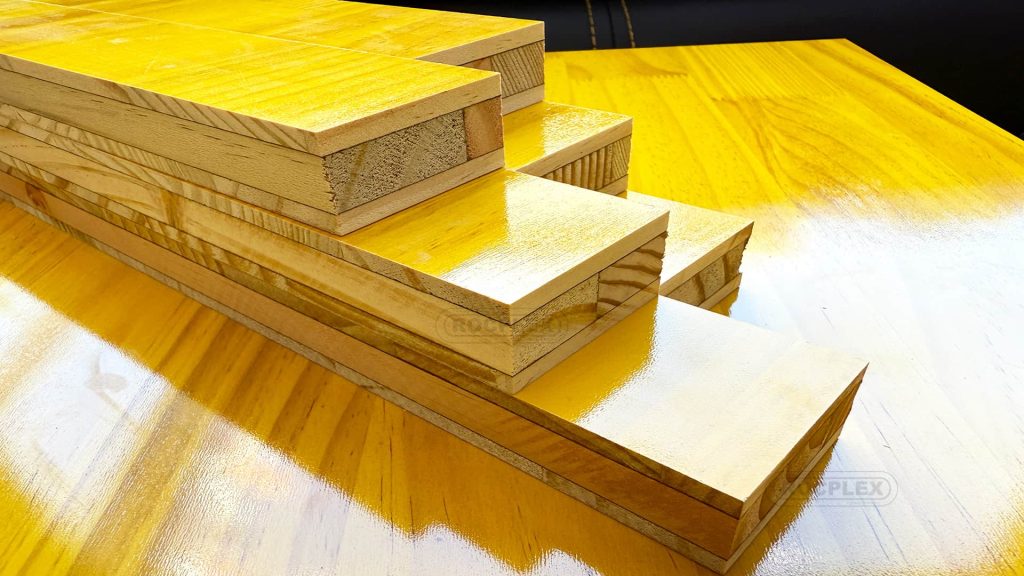
Time rules every pour. Repeatability does too. Yellow Ply balances both needs. The sheet uses three bonded layers. Each layer supports the others under load. That structure spreads stress across the face. Edges seal tight against water and paste. Faces stay flat under pressure. Crews handle lower weight with ease. They lift, set, and lock in fewer steps. Therefore, schedules hold more often.
ROCPLEX controls each step with care. Veneer moisture stays in range. Glue spread remains even across the layup. Press time and heat follow the spec. Edges receive full seal coats. We log every batch for traceability. You see quality from mill to site. Data builds confidence before you buy.
Why ROCPLEX Yellow Ply Works On Busy Sites
You need panels that last more cycles. We focus on core strength and bond quality. Our layup aligns fibers for load paths. Our resin holds in humid weather. Faces resist cement paste and abrasion. Meanwhile, weight stays friendly for manual lifts. Your team moves faster with less strain.
Support matters as much as build. We ship stable sizes and thickness. Provide planning data and care guides. Help you match panel counts to sets. We also train crews on best practice. With ROCPLEX, you gain product and process together.
Yellow Ply vs Film Faced Plywood
Film faced plywood serves many jobs well. It gives strong faces and neat finishes. It can also weigh more per sheet. Cleaning may take longer after heavy paste. Edge knocks can spread into inner plies.
Yellow Ply brings a lighter touch. It suits fast turns and small teams. Crews strip and clean in fewer steps. Edge sealing holds after typical bumps. Release oils spread well on warm wood faces. When handling strain matters, choose this route. For high pressure walls, pair systems by zone. That mix holds finish and protects cost.
Yellow Ply vs Plastic Formwork
Plastic formwork resists water by nature. It washes clean with little effort. However, it can flex at wide centers. Heat can mark faces on hot days. Replacement parts may also cost more.
Yellow Ply holds shape on standard centers. It accepts screws, nails, and clamps. You trim on site with basic saws. Repairs stay simple and cheap. For many small pours, wood wins on set speed. Plastic fits repetitive module jobs. Yet mixed geometry favors wood sheets. You keep agility without special tools.
Yellow Ply vs Aluminum Frames
Aluminum frames feel light and stiff. They shine in tall cores and repeat floors. Upfront cost runs high for full sets. Training time adds to budgets. Custom modules can lock patterns.
Yellow Ply keeps freedom on layout. You cut openings within minutes. You adjust edges without jigs. The sheets work with current walers and clamps. This saves rental cost and setup time. Many contractors pair systems with care. Use aluminum for the core. Use wood sheets for slabs, beams, and details. Flexibility protects margins when drawings change.
Yellow Ply vs Steel Panels
Steel panels deliver flatness and long life. They handle very high pressure with ease. Still, they weigh a lot per piece. Lifts need cranes or more hands. Transport costs also rise. Repairs demand welding or replacement.
Yellow Ply offers a human scale. One or two people can carry a sheet. You stage, pour, and strip without a crane. Small pours move faster with wood skins. For heavy cores, rent steel where needed. For the rest, wood saves time and cash. Many buyers see lower total cost per pour.
Yellow Ply On LVL And H20 Beam Tables
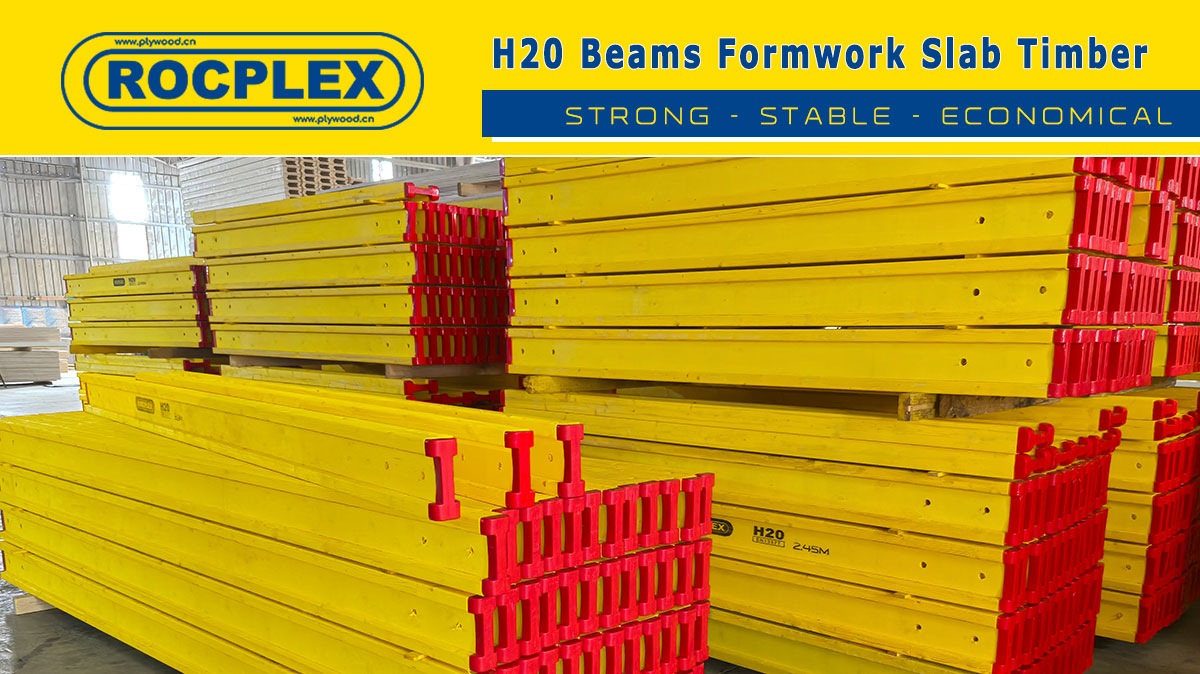
LVL beams and H20 beams carry slab tables. They are structure, not face. You still need a deck skin. Many teams use film faced ply. You can also choose a three-layer wood skin. Yellow Ply trims fast and seats well on beams. Lower weight helps table flips on site. When damage appears, you swap sheets quickly. The set returns to service the same shift.
Cost Per Pour And Real Cycle Math
Price per sheet never tells the full story. Cost per pour does. Start with panel price and expected reuses. Add labor to strip, clean, and reset. Include damage and waste rates as well. Then compare across systems with real data.
Wood often wins on labor. Crews move more sheets each hour. Cleaning needs fewer tools and minutes. Edge fixes stay quick and cheap. Many buyers find lower total cost per pour. The sheet price can match plywood. Labor and repair numbers then drop. ROCPLEX can model your plan. We factor crew size, area, and finish needs. You receive a clear cycle estimate.
Finish Class And Surface Quality
Owners demand smooth concrete. Architects inspect every visible face. Panel face quality makes the difference. ROCPLEX screens veneers with tight rules. We cap knots and patch limits. We seal edges to block water uptake. These steps protect flatness across cycles.
Against plastic, wood can bond paste more warmly. It reduces cold streaks in some weather. Against steel, wood avoids oil pooling. Release agents spread evenly across the face. You still need steady care and clean oils. Wipe faces before storage. Stack panels flat with fillets. These habits hold finish class across pours.
Safety, Weight, And Handling
Handling weight links to strains and slips. Lower weight reduces both risks. Crews lift with better posture. Teams move faster yet stay safe. Smaller crews can cover more area. Overtime risk drops as a result.
Edges also play a role in safety. Sharp metal can cut gloves and skin. Thick plastic edges can snap under point load. Sealed wood edges feel kinder to hands. Your team uses standard saws and drills. Hot works are not required for simple cuts. Follow site rules and plan lifts with care.
Moisture Control, Glue, And Edge Sealing
Water challenges panels every day. Rain hits stacks between pours. Paste brings alkaline moisture to faces. ROCPLEX fights both with strong resin bonds. Our seal coats block water at the edges. Our faces resist paste and stains during service.
Storage habits drive life as well. Keep stacks on dunnage off the ground. Cover the top and allow side airflow. Wipe faces soon after stripping. Reseal edges when you cut openings. These steps extend life by many cycles. Thickness then stays stable for ties and clamps.
Sustainability, Certificates, And Compliance
Buyers ask about responsible wood. We support legal and responsible supply. We trace logs and veneers from mill to panel. Certificates are available on request. Wood stores carbon during service life. Offcuts can serve on site as shims or blocks. Approved streams can recover energy at end of life. Steel and aluminum recycle well yet need more energy to make. Plastic recycling varies by market rules. Wood offers a strong balance of strength and footprint.
Quick Answers On Yellow Ply
What Is Yellow Ply Exactly?
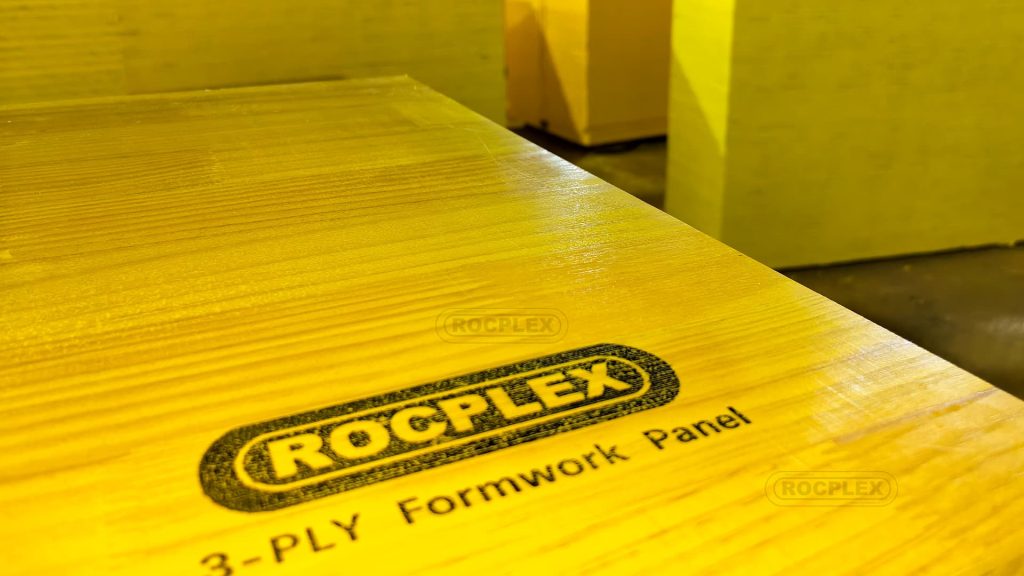
It is a three-layer wood sheet. The layers bond under heat and pressure. Sealed edges protect the core from moisture.
How Many Cycles Can I Expect?
Numbers vary by care and pour type. Many teams see strong gains with good practice. Our care guide lifts those numbers further.
Can I Use It On High Walls?
Yes, within design loads and support spacing. We share load tables for common centers. For very high pressure, add stronger frames.
What Sizes Do You Stock?
We ship global slab sizes for fast use. Custom cuts are available on request. Share your table sizes and tie layout. We will match them.
Will Edges Swell In Rain?
Edge seal protects against rain and paste. Reseal fresh cuts the same day. Store stacks flat and covered with airflow.
Can I Replace Film Faced Plywood With It?
Often yes, with spacing checks. A hybrid plan may protect budget and finish goals. We can size that plan for you.
Best Uses For Yellow Formwork Panel
Bright faces improve visibility on busy decks. Crews spot edges and hazards sooner. The color also supports zone control. Supervisors can call stacks by color. Sites then stay organized and safe. Records and photos gain clarity as well. Inspectors see marks with less effort.
ROCPLEX uses stable pigments with UV care. Color stays fresh across many cycles. That helps brand the site and guide teams. Small details speed approvals and reduce rework.
Care And Storage To Extend Cycles
Use a soft scraper for paste. Avoid harsh blades on faces. Clean soon after the strip. Wipe faces before stacking. Keep stacks flat and off wet ground. Seal fresh cuts on the same day. Rotate panels across zones. Spread wear through the fleet. Train new hands on each step. Small habits protect large budgets.
Release agents deserve attention. Choose products that match wood faces. Apply thin and even coats each time. Remove grit before every reset. Good practice prevents paste burn. Your finish class then holds longer.
Buyer Checklist Before You Order
- Target finish class and visible zones.
- Support spacing and tie pattern.
- Crew size and lift method.
- Release agent and cleaning plan.
- Storage space and stack covers.
- Expected cycles and budget per pour.
- Certificates, data sheets, and records.
- Repair kit and spare panel plan.
Common Sizes, Thickness, And Tolerances
We stock core sizes for global jobs. Popular sheets fit standard centers. Thickness ranges meet common slab needs. Tolerances hold tight across batches. You receive clear labels for each pallet. Batch numbers support audits at any time. Share drawings for custom sets if needed.
ROCPLEX Supply, Support, And Warranty
We deliver product and process together. Stock sizes leave the mill quickly. Custom sets follow clear drawings. Pallets arrive clean, strapped, and labeled. Each pallet shows batch numbers for traceability. Our team replies fast with practical advice. We plan panel counts and tie spacing. We share care steps that raise life. If anything goes wrong, we move first. That is how strong partnerships last.
Final Call: Choose ROCPLEX Yellow Ply
Your jobs need clear choices and steady supply. Our sheets help crews move faster. They protect finishes and control labor. We also back you with data and training. Send drawings and schedules to our team. We will size a set that fits your plan. ROCPLEX Yellow Ply supports every pour with confidence.
Part 2 Print Ready Tools
Yellow Ply Comparison Tables
Quick View Matrix
| Factor | Wood Three-Layer (ROCPLEX) | Film Faced Plywood | Plastic Modular | Aluminum Frame | Steel Panel |
| Handling Weight | Light | Medium | Medium | Light | Very Heavy |
| Setup Speed | Fast | Medium | Fast on repeats | Very Fast on repeats | Slow |
| Reuse Potential | High with care | High | Very High | Very High | Very High |
| Face Finish | Smooth, warm tone | Smooth | Smooth, cooler tone | Flat, metallic | Very flat |
| On-Site Trimming | Easy with basic tools | Easy | Limited | Limited | Skilled work |
| Repair Effort | Quick and cheap | Moderate | Costly modules | Specialist parts | Welding needed |
| Upfront Cost | Low | Low to medium | Medium | High | High |
| Cost Per Pour | Low with care | Medium | Low on repeats | Low on repeats | Medium |
| Best Fit | Mixed geometry | General use | Repeat modules | High-rise cores | High pressure walls |
3 Ply Shuttering Panel Cost Per Pour Drivers
| Driver | Impact | Wood Three-Layer Approach |
| Crew Size | Labor hours define cost | Lighter sheets reduce fatigue |
| Cleaning Time | Minutes stack across shifts | Soft scraper and quick wipe |
| Damage Rate | Chips add hidden cost | Edge seal and fast patching |
| Reset Speed | Controls crane time | Manual lifts cut delays |
| Transport | Weight drives freight | Lower mass saves fuel |
| Waste | Offcuts and rejects | Trim to fit and reseal |
| Release Agent | Finish and cycles | Thin, even coats only |
Handling And Safety Highlights
| Topic | Risk | Simple Control |
| Lifting | Strains and slips | Team lifts and clear paths |
| Cutting | Blade injuries | Guards, sharp blades, stands |
| Storage | Swell and warp | Dry stack, top cover, airflow |
| Chemicals | Skin contact | Gloves and wash station |
| Edges | Snags and cuts | Reseal and sand lightly |
FAQ For Buyers And Site Teams
Is Yellow Ply Waterproof?
It resists water with sealed edges. Good storage keeps panels stable.
How Many Reuses Are Realistic?
Care and release oils decide that. Crews often see strong returns.
Can I Cut Openings On Site?
Yes. Use a sharp blade and reseal edges the same day.
Which Release Agent Works Best?
Use agents made for wood faces. Apply a thin, even film.
Does Yellow Ply Suit High Walls?
Yes, within design loads and spacing. Add strong frames for high pressure.
What About Cold Or Hot Weather?
Keep stacks covered with airflow. Oil lightly and avoid puddles.
Will It Fit LVL Or H20 Tables?
Yes. It seats well and trims fast on beam decks.
How Do I Reduce Paste Burn?
Clean early, apply release evenly, and remove grit before reset.
Can I Mix Systems On One Job?
Yes. Use frames for cores and wood skins for details.
What Sizes Are Common?
Global slab sizes ship fast. Custom cuts are available on request.
Yellow Ply Care And Maintenance Checklist
Per Pour
- Wipe faces before oiling.
- Apply a thin, even coat.
- Remove grit and offcuts.
- Inspect edges and reseal cuts.
- Stack flat with fillets.
Daily
- Check straps and stack covers.
- Keep pallets off wet ground.
- Record damage and quick repairs.
- Rotate sheets across zones.
Weekly
- Clean tools and oil cans.
- Review damage logs and trends.
- Replace worn scrapers and blades.
- Refresh edge seal kits.
Consumables Kit
- Release agent and clean rags.
- Soft scrapers and plastic wedges.
- Edge seal, brush, and tape.
- Sanding block for light burrs.
- Marker, labels, and log sheets.
Yellow Ply Cutting And Repair Micro Guide
Straight Cut
Mark lines. Support the sheet. Cut with a sharp blade. Reseal edges at once.
Yellow Ply Edge Chip
Sand lightly. Seal the spot. Let it dry before oiling.
Corner Damage
Trim square if needed. Seal the new edge. Rotate panel to a low-risk zone.
Face Stain
Clean with mild agent. Avoid harsh solvents. Re-oil thinly.
Yellow Ply Storage And Transport Tips
- Use level dunnage under stacks.
- Cover the top; let sides breathe.
- Keep distance from active wash zones.
- Strap pallets snug, not crushing.
- Load heavier pallets low on trucks.
- Place release agents away from heat.
Basic Specs And Options
- Common sizes include 1220 × 2440 mm.
- Thickness ranges suit slabs and walls.
- Sealed edges protect thickness control.
- Faces match standard release agents.
- Labels show batch and grade data.
- Custom cuts ship against drawings.
Yellow Ply In Comparison Snapshots
Against Film Faced Plywood
Weight stays lower. Trimming remains simple. Cleaning often takes less time.
Against Plastic Modular
Agility improves on mixed geometry. Repair costs usually fall.
Against Aluminum Frame
Upfront spend drops. Layout changes stay fast.
Against Steel Panel
Manual handling becomes realistic. Small pours move quicker.
Site Forms Copy Paste Blocks
- Inspection Line: Date / Stack / Moisture Cover / Edge Seal / Notes
- Repair Line: Panel ID / Fault / Fix / Crew / Reuse Count
- Release Log: Zone / Agent Batch / Coat Method / Issues
ROCPLEX Support And Tools
- Load tables for common centers.
- Care cards in multiple languages.
- Edge-seal quick kits in stock.
- Fast replies from engineers.
- Clear packing and labels.
- Data sheets for audits.
Buyer Action Plan
- Map zones and finish classes.
- Confirm support spacing.
- Choose a release agent.
- Set cleaning tools and roles.
- Define stack covers and dunnage.
- Order repair kits with pallets.
- Log cycles from day one.
Yellow Ply Closing Note For Teams
Keep habits simple and steady. Clean early. Oil thinly. Reseal every cut. Rotate panels. Record cycles. These steps raise reuse and keep cost per pour low.
Post time: Dec-22-2025