

Film Faced Plywood: A Builder Perspective
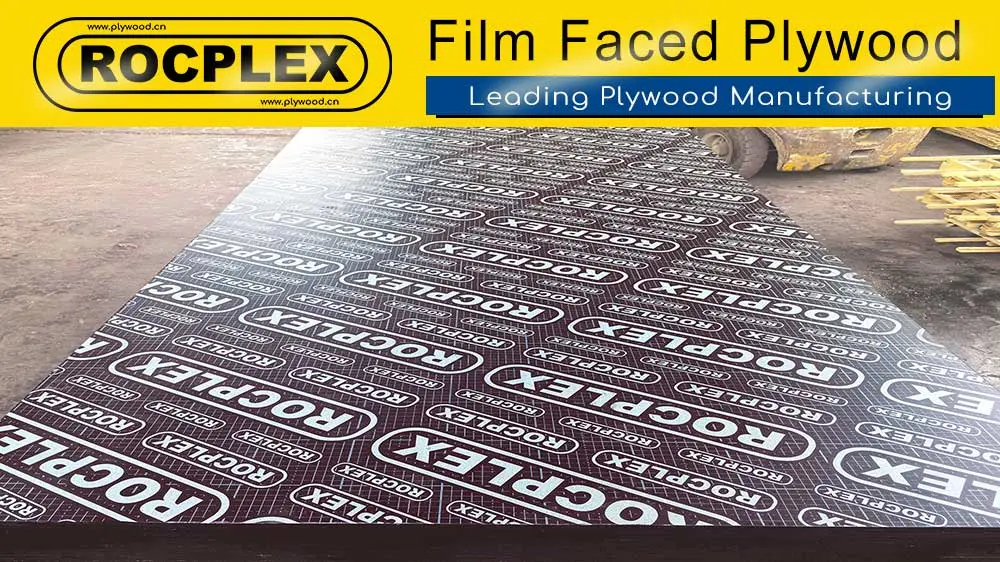
I have used film faced plywood on dozens of job sites. Therefore, I can share what actually matters for your project. This is not theory. It comes from real experience.
What Makes Film Faced Plywood Work

Film faced plywood has a phenolic film coating. This coating bonds to the wood during manufacture. Consequently, water cannot penetrate the surface. This is why it lasts so long in wet conditions.
Most builders first choose film faced plywood because it handles moisture. However, there are other benefits too. The smooth surface also produces better concrete finishes.
How the Film Works
The phenolic resin creates a barrier. This barrier prevents water absorption. Additionally, it makes cleaning much easier between uses. This is why contractors prefer this material.
You can learn more about phenolic resin on Wikipedia.
Why Film Faced Plywood Saves Money
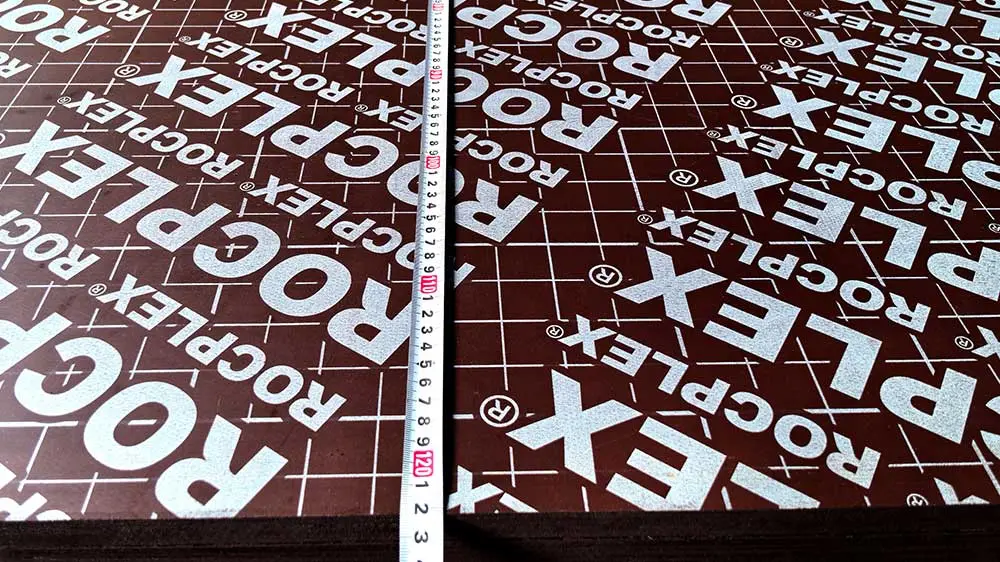
Film faced plywood costs more initially. Nevertheless, it pays back through reuse. A quality sheet can be used 20 times or more. Therefore, the cost per use is actually lower.
When you calculate the total cost, this makes sense. Additionally, less waste goes to landfill. This matters for environmentally conscious projects.
The Reuse Reality
Proper care extends sheet life significantly. Clean the surface after each use. Store sheets flat and dry. These simple steps make a big difference.
Many builders report 30+ uses from quality film faced plywood. This is why it remains popular for large projects.
Selecting the Right Film Faced Plywood
Film faced plywood varies in quality. Consequently, choose carefully. Consider these factors.
Film Weight Matters
Heavier films last longer. Standard is around 120g per square meter. However, 220g or higher handles heavy-duty work.
Match the film weight to your reuse expectations. For example, if you need many uses, invest in heavier film.
Core Construction
The core affects strength and weight. Poplar is lighter. Hardwood is stronger. Your application determines which is better.
For standard work, poplar core works well. For heavy loads, choose hardwood core.
Glue Type
WBP glue means Weather and Boil Proof. This is essential for concrete work. Always verify the glue type before purchasing.
For more details, check the product specifications.
Where Film Faced Plywood Works Best
Different applications suit different needs. Here is what works where.
Foundation Work
Foundation formwork needs reliable materials. Film faced plywood handles this perfectly. The moisture resistance prevents problems.
Suspended Slabs
Multi-level projects need strong formwork. Film faced plywood provides that strength. Additionally, it creates smooth soffits.
Walls and Columns
Vertical formwork benefits from film faced plywood too. The smooth surface reduces remedial work. This saves labor costs.
Tips for Better Results
These tips come from experienced users. They help you get maximum value.
Storage Best Practices
Keep sheets flat and dry. Use supports every 600mm. Additionally, allow air circulation. This prevents moisture buildup.
Release Agent Application
Apply release agent evenly. Too little causes sticking. Too much creates surface blemishes. Consequently, aim for complete coverage without excess.
Cleaning Between Uses
Remove concrete promptly. The longer it sits, the harder it becomes to remove. Furthermore, regular cleaning extends sheet life.
Why Quality Matters
Quality film faced plywood performs consistently. Therefore, buy from reliable suppliers. They can provide technical support when needed.
ROCPLY offers quality products and advice. Their team understands builder needs. This makes a difference on complex projects.
For more information, visit the contact page.
Conclusion
Film faced plywood is worth the investment. It lasts longer and produces better results. Therefore, choose quality products and handle them properly.
The benefits are clear. Additionally, the total cost often works out lower than cheaper alternatives. This is why experienced builders keep using film faced plywood.
Post time: Mar-11-2026