

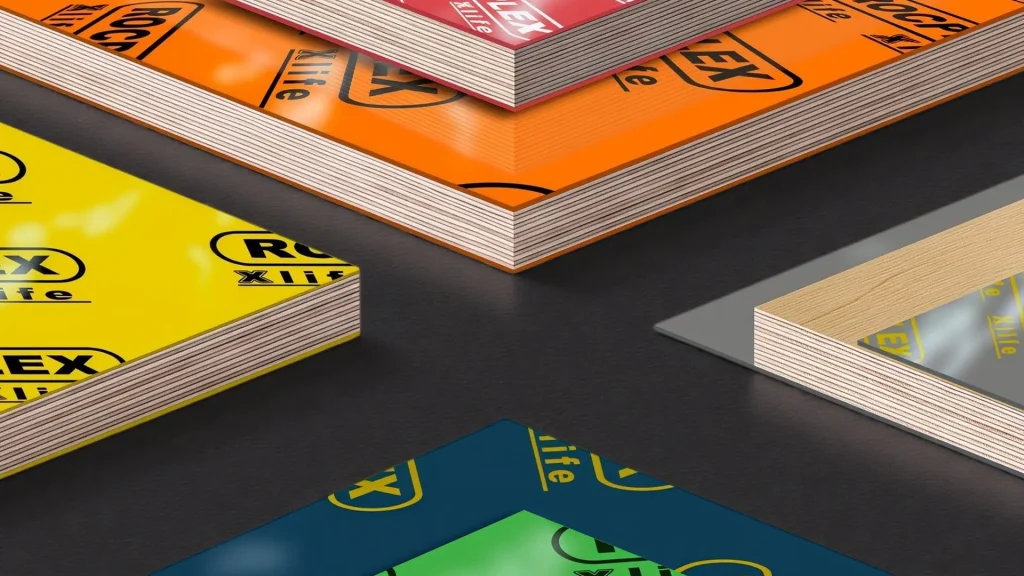
Bad formwork rarely fails in one big way. It fails in small, costly ways. Edges swell. Faces wear too soon. Panels stick to the pour. Crew time slips away. That is why buyers search for the best plywood for concrete forms before they place a container order or approve a site spec. The right panel does more than hold wet concrete. It protects finish quality, reuse count, labor speed, and cost per pour.
For most jobs, there is no single universal panel. The best choice depends on the finish you need, the number of reuse cycles you expect, the weather on site, and how rough the handling will be. A slab crew moving fast has different needs from a wall contractor chasing a clean fair faced result. A buyer may also compare film faced plywood, formply, PP plastic plywood, and yellow formwork panels in one shortlist.
What makes one panel better than another
The best plywood for concrete forms is not just a sheet with a dark face. Real performance comes from five details working together. The bond must resist water. The core must stay stable under load. The face must release cleanly. The edges must resist swelling. The sheet must also fit the support layout on site.
- Bond quality affects how well the panel resists moisture and repeat pours.
- Core quality affects stiffness, flatness, and the risk of voids or crush.
- Face quality affects concrete finish and stripping speed.
- Edge sealing affects water uptake and panel life.
- Thickness must match span, pressure, and support spacing.
When buyers miss one of these points, the board may look fine in the yard but fail early on site. Technical guidance from APA on concrete form panels and reference material from AWC on concrete formwork design and materials both reinforce the same idea. Panel choice should start with job conditions, not just sheet price.
A quick comparison buyers can use right away
| Panel type | Best fit | Main strength | Main limit | Best buyer profile |
|---|---|---|---|---|
| Film faced plywood | General slab and wall work | Good finish and solid reuse balance | Edges need care | Contractors wanting a strong all round panel |
| Formply | Spec driven concrete forming | Familiar choice for compliance focused markets | May cost more than basic shuttering panels | Buyers working to named project specs |
| PP plastic plywood | Wet abrasive high cycle sites | Strong water resistance and easy cleaning | Higher upfront cost | Users focused on long life and lower cost per pour |
| 3 ply yellow panel | Fast moving jobs and daily handling | Easy handling and simple site control | Not the top choice for every high finish job | Crews that value speed and practical reuse |
This is where many buyers save money. They stop asking which panel is cheapest per sheet. They start asking which panel is cheapest per successful pour.
Match the panel to the job instead of forcing one panel onto every pour
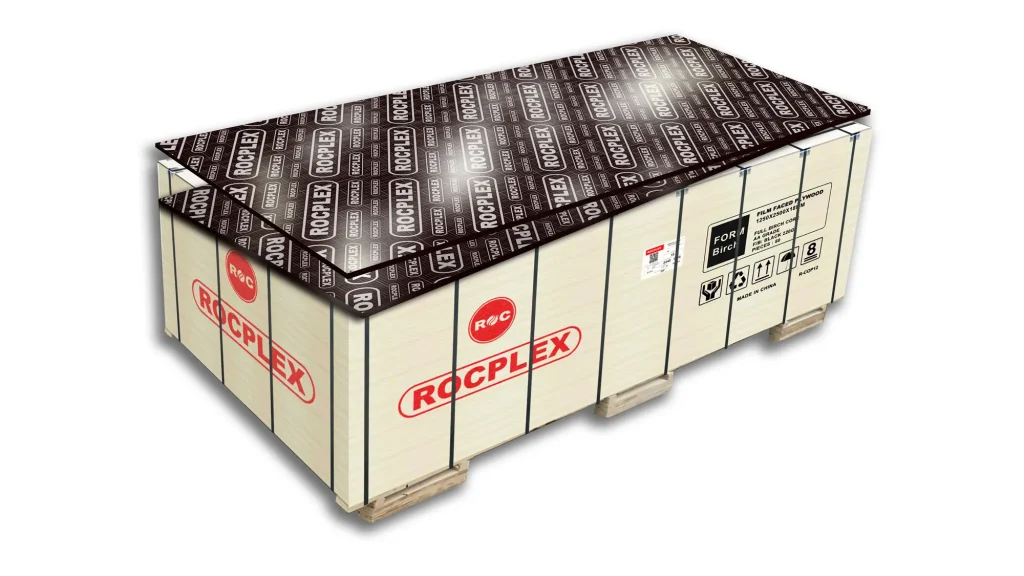
Film faced plywood for balanced performance
Film faced plywood is often the safest starting point. It suits slab decks, walls, columns, and mixed site work. It gives a smoother concrete face than plain shuttering boards and usually offers a better balance of finish, reuse, and price than more specialized options. If your customer wants one reliable panel for many jobs, this is often the first range to compare.
Formply for buyers who work from project language
In some markets, buyers ask for formply because that is the term used in tenders, site conversations, and merchant lists. In practice, this is often a buying language issue as much as a product issue. If the project team wants a panel tied to a known formwork grade, formply can make procurement easier and reduce back and forth during approval.
PP plastic plywood for hard wear and wet conditions
PP plastic plywood suits jobs that punish panel faces. It handles water well, cleans fast, and works well in high turn projects where crews strip and reset often. It also makes sense when finish consistency matters but site treatment is rough. The sheet costs more at the start, yet that higher entry price can be offset by longer service life and lower cleaning time.
Three ply yellow panels for speed and simple site control
Three ply yellow panels are practical on busy sites that need quick handling and easy visual checks. The bright face helps crews spot damage sooner. The panel is also simple to move, stack, and rotate. For many contractors, that day to day ease matters as much as the lab claim on paper.
Thickness mistakes cost more than buyers expect
Many disputes start with the wrong thickness choice. A buyer orders by habit. The site installs by habit. Then the panel bends more than expected because the joist spacing, pour height, or support pattern changed. The lesson is simple. Thickness alone does not decide performance.
Ask these questions before you lock the order.
- What is the pour pressure?
- What is the support spacing?
- Is the panel used on slabs, walls, beams, or mixed work?
- Will the crew cut sheets on site?
- How often will the same sheets be reused?
A 12 mm board may work well in one layout and fail in another. An 18 mm sheet may be the safer choice, yet only if the face, core, and bond are also right. Buyers should ask suppliers for thickness guidance linked to the actual support system, not just a general price list.
A supplier checklist that improves buying results
The best plywood for concrete forms should come with clear answers before the order is placed. Good suppliers do not hide behind broad words like premium or waterproof. They give practical data that helps the buyer judge risk. If a project asks for certified sourcing, formal chain of custody rules from FSC can also shape the buying brief.
- Confirm the face type and release performance.
- Ask what bond system is used.
- Ask how the edges are sealed.
- Check core species or build consistency.
- Ask for standard sizes and custom cutting options.
- Confirm packing method for long transit and yard storage.
- Ask which panel the supplier recommends for your actual project type.
If a supplier sells several panel types, that is useful. It means they can match the board to the job instead of pushing one sheet for every case. It also helps buyers combine facing panels with H20 beams, LVL beams, and other formwork items under one supply plan.

Best Plywood for Concrete Forms FAQ
What is the best plywood for concrete forms
For many general jobs, film faced plywood gives the best mix of finish, reuse, and cost control. However, PP plastic plywood may be better on wet high cycle sites, while formply may suit spec led buying.
What thickness is usually used for concrete form plywood
Common choices often fall between 12 mm and 18 mm, but the right thickness depends on support spacing, pour pressure, and job type. Thickness should never be chosen without the layout.
Is film faced plywood better than shuttering plywood
Often yes, if you want a smoother finish and better reuse. Basic shuttering plywood can still work well for short runs or lower finish jobs where cost matters most.
How many times can formwork plywood be reused
There is no honest universal number. Reuse depends on face quality, bond, edge protection, cleaning, release agent use, and site handling. Good care matters as much as the panel itself.
The practical takeaway for buyers
If you want the best plywood for concrete forms, do not start with the cheapest sheet in the market. Start with the pour, the finish target, the support layout, and the number of cycles you need. Then match the panel to that job. Use film faced plywood for balanced all round work. Use PP plastic plywood when water and abrasion are the real problem. Formply when project language and approval paths matter. Use three ply yellow panels when speed and handling matter most.
For wholesalers and contractors, the smartest next step is simple. Build one short buying brief before you request a quote. Include panel type, sheet size, thickness, target reuse, project type, and market. That one page will get you a better offer, a better panel match, and fewer problems after the goods arrive.
Post time: Mar-30-2026