

If you are comparing film faced plywood vs formply, you are already past the early research stage. You are not asking what formwork plywood is. You are asking which sheet will give you fewer site problems, cleaner concrete, and a safer buying decision. That makes this one of the most useful keywords for real project buyers. On your site, these two products already sit as separate buying paths, which makes this comparison article a smart next step for both traffic and conversion.
The confusion starts with language. In many markets, buyers use “film faced plywood” as a broad product term. In Australia and spec-driven projects, “formply” is often treated as a more specific buying term tied to project expectations and grade language. Your own site separates film faced plywood from formply, which shows how buyers already think about them differently during procurement.
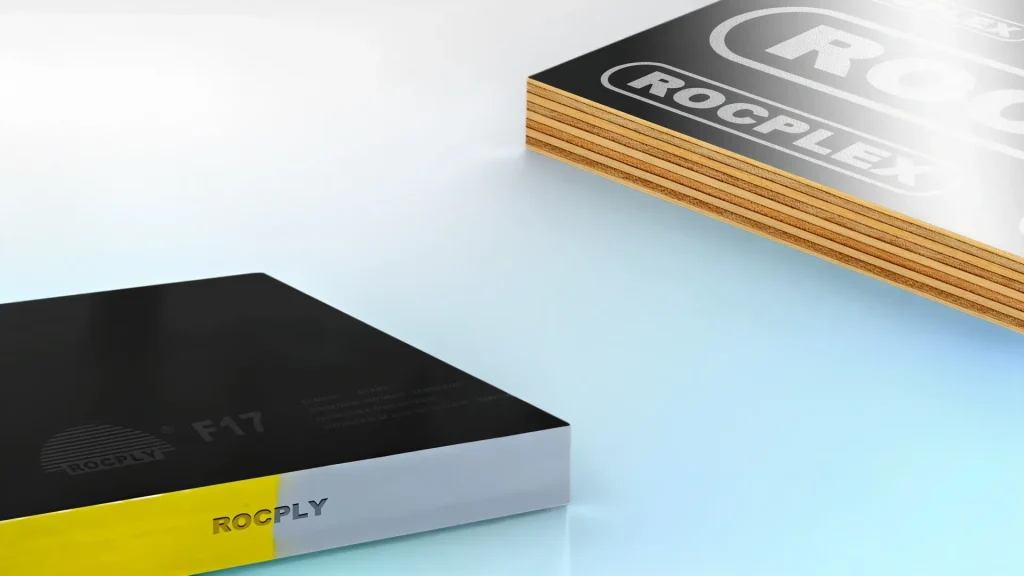
The name is not the whole story
At first glance, both panels seem to do the same job. Both are used in concrete formwork. Aim to resist moisture. Both help the form release more cleanly than plain plywood. APA notes that concrete form panels should be selected around forming use and panel performance. That means the real choice is not just “can this panel touch wet concrete.” The real choice is how well it performs under your finish target, reuse plan, handling routine, and project specification.
This is why buyers get into trouble when they compare only sheet price. A panel can look competitive on paper but still lose money on site if the face wears fast, the edges swell, or the project team rejects it because the spec language does not match the tender. Good buying starts with the job requirement first, then the board type second. That rule matters more than the product name alone.
Where film faced plywood usually wins
Film faced plywood is often the stronger choice when the buyer wants a broad-use formwork panel with good finish, reliable release, and repeat use across many job types. Your ROCPLEX Film Faced Plywood page positions this product around high reuse, cleaner release, WBP bonding, sealed edges, and a phenolic film surface. Those are the details buyers care about when they want cost per pour to stay under control. The page also frames it as suitable for demanding wall and slab formwork.
Film faced plywood also works well for buyers who serve mixed markets. One shipment may go to general contractors, another to infrastructure work, and another to distributors who need a widely accepted formwork panel instead of one local buying term. If you want a product that is easy to explain across regions, film faced plywood is often the cleaner commercial language. It can also lead readers naturally to related pages such as film faced plywood reuse guide and PP plastic plywood when they need either higher cycle guidance or a more water-focused option.
Where formply often makes more sense
Formply makes more sense when the project team starts with a named requirement instead of a general product family. That usually happens in tenders, distributor lists, merchant buying language, and markets where structural or stress-grade language shapes the buying process. On your site, formply is presented as a dedicated product route alongside film faced plywood, which shows there is real buyer demand for that specific term rather than just a generic sheet description.
Formply can also reduce friction inside the buying chain. A contractor may ask for one thing, a merchant may quote another, and the importer may supply a third if the wording stays too broad. In those cases, using the formply term can make the RFQ more precise. That does not automatically make formply better than film faced plywood. It simply makes it easier to align what was asked for, what was quoted, and what was delivered. For many buyers, that precision is worth as much as the sheet itself.
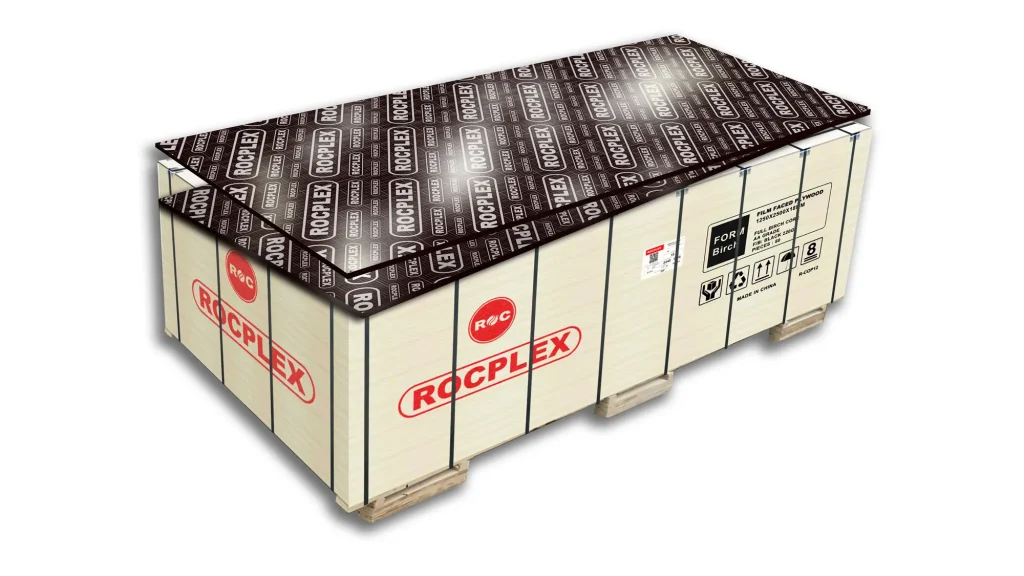
Film Faced Plywood vs Formply A fast comparison buyers can use on real jobs
| Factor | Film faced plywood | Formply |
|---|---|---|
| Buying language | Broad global term | More project specific term in some markets |
| Best fit | Mixed jobs, broader export demand, repeat-use focus | Spec-led jobs, merchant lists, tender-led buying |
| Main value | Reuse, finish, clean release, broader supply language | Clearer spec alignment where formply is requested |
| Risk if chosen badly | Good panel but wrong project language | Right language but wrong build or finish expectation |
| Best question to ask | What reuse and finish do I need | What exact project requirement must I match |
The key point is simple. Film faced plywood vs formply is not just a materials question. It is also a procurement question. If the site starts with finish and cycle targets, film faced plywood often wins. If the project starts with named compliance language or buyer habit, formply may be the safer commercial choice. Buyers who understand this early usually avoid the most expensive mistakes.
The mistake that costs buyers the most
The most common mistake is assuming the two terms are always fully interchangeable. That can lead to avoidable problems. The panel may perform well, yet still fail the buying process because the paperwork, tender wording, or customer expectation pointed to something more specific. The opposite also happens. A buyer may order by the right name but still get poor site results because face quality, bond quality, edge sealing, or core build were not checked closely enough.
- Do not compare only by price per sheet.
- Do not rely on product names without checking the build.
- Do not ignore finish expectations for visible concrete.
- Do not skip reuse targets in the RFQ.
- Do not assume one market term works the same in every country.
This is also where related products matter. Some buyers should not choose either option as their first answer. If the site is very wet or the panel face will take heavy abuse, PP plastic plywood may be a better fit. If the crew values fast handling and simple visual checks, 3 ply yellow formwork panels may solve a different site problem more effectively. That is why good suppliers offer a family of formwork panels, not one stock answer for every pour.
How to ask for the right quote the first time
A strong RFQ saves time before production even starts. Instead of asking only for price, send the supplier a short brief with project type, sheet size, target reuse, finish need, destination market, and any required documentation. Your film faced plywood page already frames the buying process this way by asking for size and cycle target, while also listing documentation fields such as CoC and test data. That is the right direction for serious buyers.
If chain of custody matters, ask for it early. FSC explains that chain of custody certification supports companies that produce and distribute forest-based products. PEFC also outlines certification for companies that manufacture, process, trade, or sell forest-based products. If your market asks for verified sourcing, that paperwork should sit in the RFQ from day one, not after the order is packed.
Ask first about the pour, not the panel name.
That one shift usually leads to a better quote.
What this means for your buying decision
Use film faced plywood when you need a broad-use, repeat-ready panel with strong release and a smoother buying language for global markets. Use formply when the project starts with a named requirement and the commercial risk of using the wrong term is higher than the small savings from a broader product description. If the jobsite conditions are harsh, compare those options against PP plastic plywood before you close the order. If the crew is moving fast on everyday formwork, yellow panels may deserve a place in the shortlist as well.
For readers who want an outside technical reference, APA’s concrete form panel guidance is still useful because it anchors the discussion in real formwork practice rather than marketing language alone. It helps serious buyers see that panel selection is about bond, face, and intended forming use, not just trade words.

Film Faced Plywood vs Formply FAQ
Is formply the same as film faced plywood
Not always. They overlap in use, but buyers often use formply as a more specific project or market term, while film faced plywood is broader.
Which is better for repeated concrete pours
That depends on the actual build. A strong film faced plywood with good film, bond, and sealed edges may outperform a poorly chosen alternative.
Should buyers ask for certification in the first quote
Yes. If the market needs chain of custody proof, add FSC or PEFC requirements to the RFQ at the start.
What is the safest rule for first time buyers
Start with the pour, the finish target, and the spec wording. Then choose the panel that matches all three.
Post time: Apr-06-2026