

Shuttering plywood should not be bought like a generic sheet. On a live concrete job, the panel affects finish, stripping speed, labor waste, and the chance of delay. That is why smart buyers now look past unit price. They ask a harder question. Which panel keeps the pour moving and protects cost per cycle?
For ROCPLEX, that shift matters. The value of shuttering plywood is not just supply. It is controlled performance on site. A buyer who understands that logic usually buys better, reorders faster, and argues less about price later. In real projects, the right panel can protect schedule, reduce patching, and lower the true cost of concrete formwork.
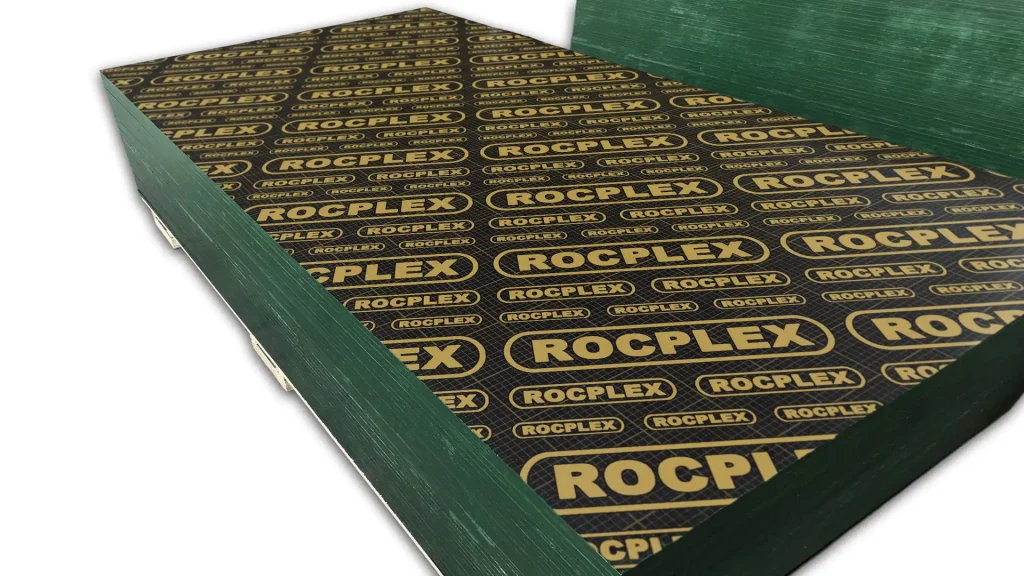
When the shuttering plywood price starts lying
The cheapest panel can still be the expensive choice. That happens when a board swells at the edge, prints grain on the concrete, or fails after only a few pours. The invoice looked good on day one. The site cost does not look good by week two.
Most hidden loss comes from four places. First, crews lose time when sheets do not sit flat. Second, slurry leaks at weak joints and creates patching work. Third, panels stick during stripping and break earlier than expected. Fourth, the next batch does not match the first one, so the team must adjust on site. None of those costs shows up in the first quoted sheet price. All of them hit the job margin.
That is why shuttering plywood is better judged by cost per pour, not by price per sheet. Once buyers track reuse, finish quality, labor hours, and replacement rate together, the cheap option often stops looking cheap. A lower unit cost may look safe in procurement. Yet on site it can become the source of delay, repair, and waste.
The four controls of shuttering plywood that protect profit on site
A reliable shuttering panel does not need marketing noise. It needs control in the right places. Core build matters first. A stable multi layer structure helps the sheet hold line under wet concrete pressure. Face quality matters next. A smoother surface releases better and leaves less cleanup behind. Then comes bonding. If the glue line fails, reuse falls fast. Last comes edge protection. Water almost always attacks the edges before it attacks the face.
Thickness control also deserves more attention than many buyers give it. A panel that varies too much from sheet to sheet creates steps, gaps, and small leaks. The concrete then records every one of those mistakes. In practice, good shuttering plywood works like an engineering control. It turns material consistency into faster setup, cleaner stripping, and less repair work after the pour.
This is where ROCPLEX has a stronger selling point. It is not just a plywood supplier. It is a formwork performance supplier. Stable core construction, WBP phenolic bonding, a smooth face, and sealed edges work together. The result is better strength, cleaner release, better moisture resistance, and more predictable jobsite output. That is the shift from commodity thinking to engineering solution thinking.
A fast way to match the shuttering plywood panel to the pour
Shuttering plywood is not one fixed product. Different jobs want different strengths. Some buyers need a better finish. Others need simpler handling. Some care most about long repeat runs. Others just need a practical deck skin for mixed geometry work. The table below is a quick way to narrow the choice.
| Panel option | Best fit | Finish result | Reuse focus | Main buying watchpoint |
|---|---|---|---|---|
| Basic price led shuttering plywood | Short runs and low finish demand | Acceptable but less consistent | Lower reuse expectation | Batch variation and early edge damage |
| ROCPLEX film faced plywood | Wall, slab, and fair faced work | Cleaner release and smoother face | Built for repeat pours | Match thickness and cycle target to span |
| ROCPLEX 3 ply yellow formwork panel | Daily site handling and mixed layouts | Stable practical site finish | Strong cost per pour logic | Confirm edge sealing and size list before order |
| ROCPLEX PP plastic faced plywood | High wear zones and wet exposure | Very clean release surface | High durability focus | Check handling style and total system cost |
If the project also runs slab tables or repetitive decks, panel choice should be reviewed together with H20 formwork beams. A good sheet on the wrong support plan still causes trouble. Better buyers compare the skin, the support, and the reset routine as one package. That approach leads to fewer surprises during the concrete cycle.
Three site situations of shuttering plywood that change the buying decision
Fast slab cycles. Time matters more than a small sheet saving. Here the buyer should favor flatness, repeatability, and easy stripping. Delays cost more than material upgrades. If the panel fails early, the slab cycle slows and labor cost rises fast.
Fair faced concrete walls. Surface finish matters most. The right face reduces grain transfer, ghosting, and repair labor. In this case, better film quality often pays back quickly. A cleaner face can remove a large part of the patching and grinding work after the pour.
Wet storage and hard handling. Edge life matters. Shuttering plywood sheets that sit in rain, mud, or rough yards need stronger bonding and better edge protection. If not, the first weak point spreads through the whole panel. That is why a sealed edge is not a small detail. It is part of the reuse strategy.
These are also the moments when supplier quality control matters most. A stable reorder is often worth more than a low first quote. Crews can adjust to many things on site. They do not adjust well to a second shipment that behaves like a different product. Buyers who want fewer future claims should think beyond the first container.
If you need a wider product comparison before ordering, you can also review this boards for concrete formwork guide. It helps clarify which board type fits each project pattern and where the hidden cost usually starts.
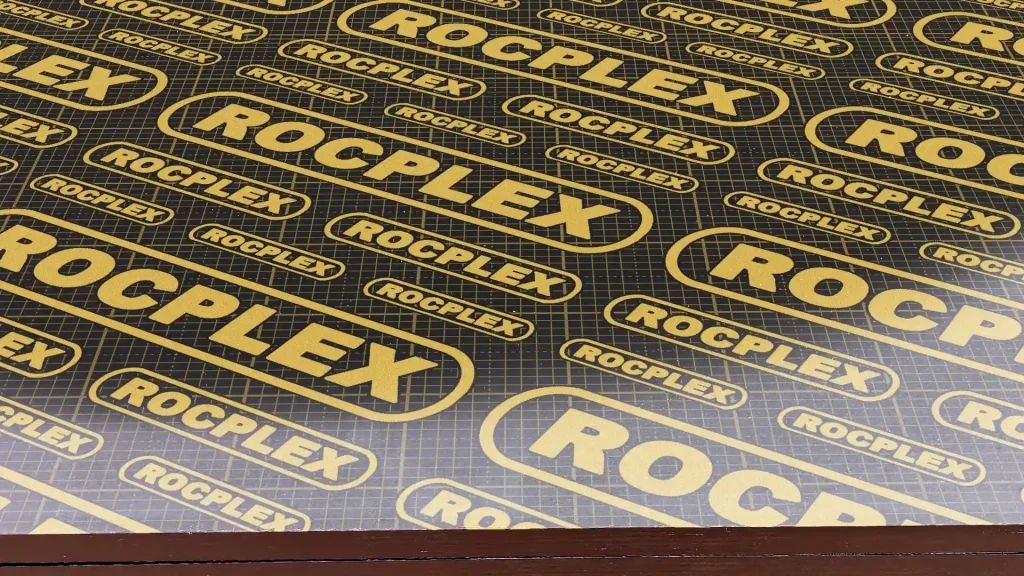
The reorder questions that stop future headaches
A strong RFQ saves money before production starts. Ask for the panel size, thickness tolerance, bonding level, face type, edge sealing method, expected cycle target, and packing method. If the project has a local spec, state it in writing. In Australia, that may mean asking how the product aligns with AS 6669. If responsible sourcing matters, request valid FSC chain of custody or PEFC certification checks instead of broad green claims.
- State the concrete finish target
- State the expected reuse range
- State the climate and storage conditions
- State whether the job uses walls, slabs, columns, or mixed forms
- State beam spacing or support method
- State whether reorders must match the first batch exactly
Those six lines remove a surprising amount of risk. They also help a supplier quote the right shuttering plywood instead of the cheapest sheet that only looks right on paper. A better RFQ often means fewer late changes, fewer complaints, and less confusion between procurement and site teams.
One more point often gets missed. Panel choice affects the whole buying chain, not just the formwork gang. Procurement wants stable reorders. Quantity surveyors want cost they can defend. Site managers want fewer surprises. When one shuttering plywood spec serves all three groups, approval moves faster and disputes drop.
Why ROCPLEX shuttering plywood fits buyers who care about cost per pour
ROCPLEX makes more sense when the buyer looks at total site outcome, not just purchase cost. A stable core helps load performance. A smooth surface helps release. WBP phenolic bonding supports panel integrity under wet conditions. Four side edge sealing helps protect the most vulnerable part of the board. Tight control over thickness and size helps the sheets sit better in the system.
That chain matters because it leads to practical site results. Fewer panel changes mean less wasted time. Cleaner release means less repair work. Better repeatability means easier reorders and lower risk during multi phase supply. In other words, ROCPLEX shuttering plywood is built to support buyer confidence, contractor efficiency, and lower total construction cost.
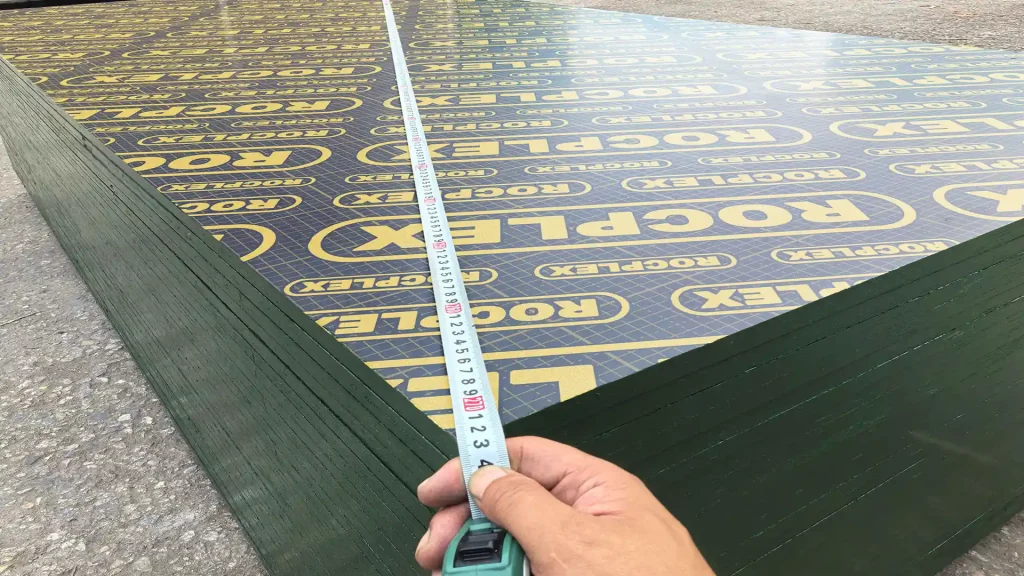
Short answers buyers ask before they commit
Is shuttering plywood the same as ordinary plywood
No. It is built for concrete forming, wet cycles, and temporary structural support. The right face and bond matter much more than they do in general plywood use.
Is film faced plywood always the best choice
Not always. It is often the best fit for cleaner finish and repeat use. Yet some jobs value lighter handling, lower upfront spend, or a different reset method.
What is the safest way to compare offers
Compare cycle target, finish target, tolerance control, edge protection, and reorder consistency. Then compare price.
What should buyers confirm before a repeat order
Confirm that the second batch matches the first in core build, face type, bonding level, thickness tolerance, and edge sealing. Reorder consistency matters as much as first order price.
Before you approve the next quote, write one short spec sheet for your team. Include finish, cycles, climate, support, and reorder rules. That single page will filter weak offers fast. It will also make the final shuttering plywood choice far easier to defend inside the project team.

ROCPLEX Form Birch Film Faced Plywood
Film faced plywood should prove its value on site, not on paper. ROCPLEX Form Birch is a premium film faced plywood built for high reuse in concrete formwork. It aims to stay flat, release clean, and keep a stable face across repeat pours. The build focuses on three things that drive real cycles: 220 g/m² phenolic film on both sides, A-bond WBP bonding, and four-coat sealed edges. Full birch construction adds strength and stiffness for demanding routines. Share your size…
Post time: May-04-2026