

Choosing the best formwork for concrete pouring is not only about buying a board. It is about choosing the system that gives the job the right finish, the right slab speed, the right repeat use, and the right cost per pour. Buyers who compare only sheet price often miss the real source of site cost.
On ROCPLEX, the product path already reflects that logic. Buyers can move from the formwork plywood range into film faced plywood, 3 ply yellow formwork panels, H20 formwork beams, and formwork beams. That matters because the best result in concrete pouring rarely comes from a face panel alone.
What the best formwork for concrete pouring really means on site
The best formwork is the option that matches the pour routine. Some jobs need a cleaner concrete face or faster slab cycles. Some need panels that can be moved and reused every day without slowing the crew. And some need a system that can be reordered with less variation.
That is why the right buying question is not only which sheet looks strongest in a quotation. The better question is which concrete pouring formwork system fits the actual work plan. A good choice reduces patching, helps the stripping routine, and protects labor time. A weak choice can cause rough finish, early edge wear, slower turnover, and more complaints after the pour.
Once buyers start comparing systems instead of isolated sheets, the decision usually becomes clearer. The face, the support, and the repeat-use target all need to work together.
Which concrete pouring formwork gives the best finish after stripping
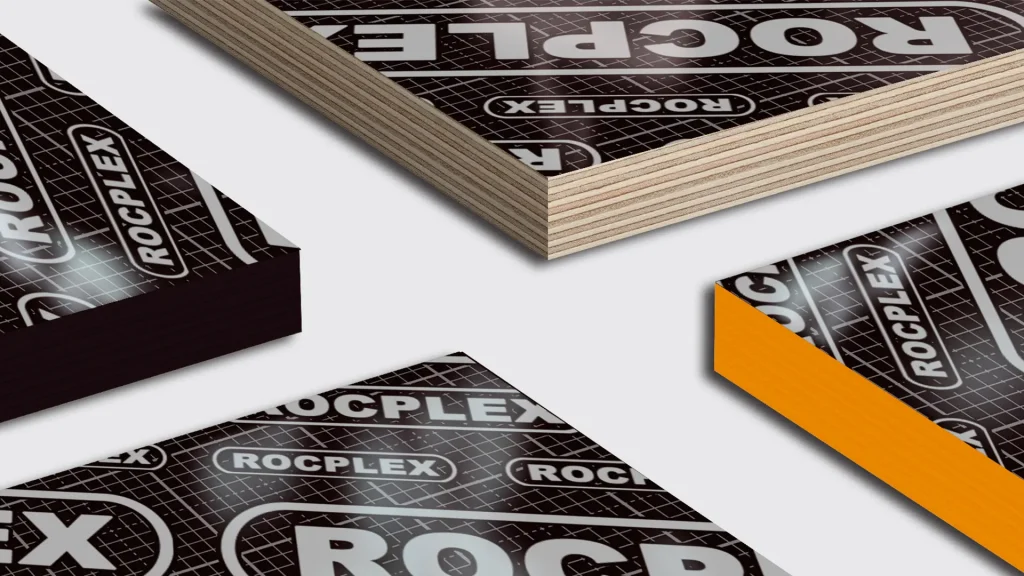
Finish quality starts at the face. If the face is stable and releases cleanly, the concrete surface usually looks better when the forms come off. That is why many buyers first compare film faced plywood when they want smoother walls, cleaner slabs, and fewer repairs after stripping.
Why film faced plywood is a strong formwork system for concrete
On this site, ROCPLEX film faced plywood is positioned around face performance. The product page emphasizes phenolic film on both sides, A-bond WBP bonding, and sealed edges. In buyer terms, that means a better chance of clean release, steadier wear on the face, and a lower risk of the panel failing early in wet concrete routines.
If your project depends on fair-faced concrete or a more controlled surface result, premium film faced plywood is often one of the strongest answers.
Best formwork for concrete pouring in faster slab cycles and repeat pours
Speed is not controlled by the face panel alone. It also depends on how easy the system is to set, move, strip, and reset. For slab work, the support layout matters as much as the deck sheet. That is why the best formwork for concrete pouring often comes from a matched deck and beam system.
Why a matched concrete shuttering system performs better
For many slab jobs, buyers combine plywood decking with H20 formwork beams or other engineered support members. A stronger face panel cannot fully save a weak beam layout. In the same way, a strong beam layout cannot fully protect a poor face sheet. Better slab speed usually comes from a system that is planned as one unit.
This is one reason experienced buyers prefer system buying over piece buying. When the face panel and the support are selected together, slab cycles tend to run with fewer surprises.
| Project goal | Better fit | Main reason |
|---|---|---|
| Smoother wall or slab finish | Premium film faced plywood | It supports cleaner release and a steadier surface result. |
| Fast slab cycles | Plywood deck with H20 formwork beams | It gives a more controlled support layout for repeat slab routines. |
| Daily repeat handling | 3 ply yellow formwork panel | It suits practical site use and frequent movement. |
| Standardized repeat orders | One supplier system approach | It reduces variation across projects and reorders. |
| Lower cost per pour | Reusable panel with proper support design | Reuse and fewer panel changes matter more than opening price. |
When premium film faced plywood is the best formwork for concrete pouring
Premium film faced plywood makes the most sense when the buyer wants stronger face quality, cleaner stripping, and steadier repeat use. That is especially true for wall work, slab work, and pours where the concrete surface will be inspected closely after the forms are removed.
Why premium concrete formwork panels can lower cost per pour
The film faced plywood page on the site is explicit about this point. It argues that high reuse only creates lower cost per pour when the face and bond stay intact. That is a useful buying frame because it shifts the comparison away from opening price and toward actual project economics.
If the job needs cleaner finish and more predictable reuse, premium film faced plywood is often the smarter option.
When 3 ply yellow panels suit concrete pouring formwork better
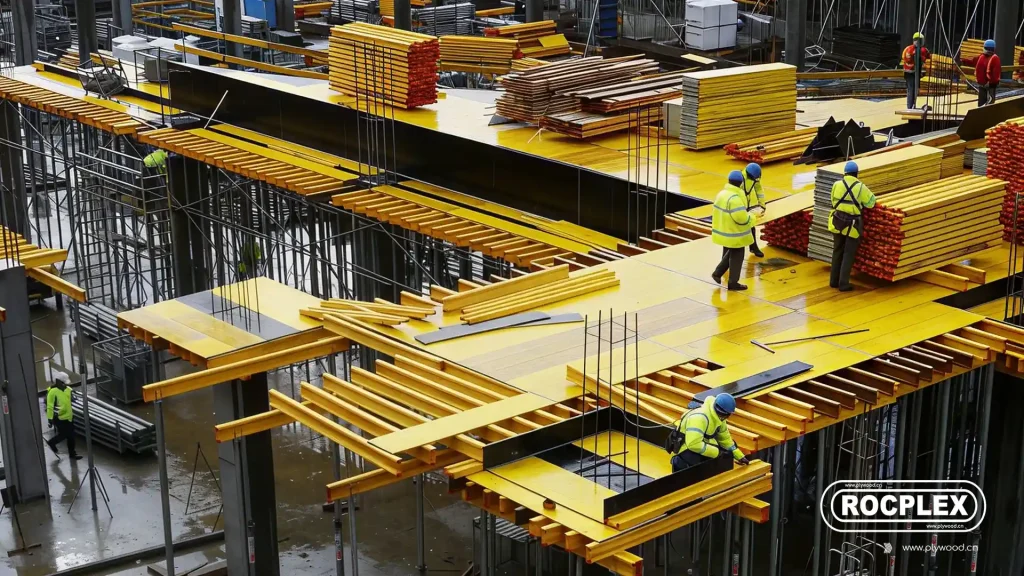
Not every project needs a premium birch film faced sheet. On many jobs, the better answer is a panel that is easier to handle every day and easier to standardize across routine work. That is where 3 ply yellow formwork panels can be stronger.
Why 3 ply yellow panels fit daily concrete formwork routines
The 3-ply yellow panel page positions the product for slab and deck formwork, wall and column shuttering, beam edges, and everyday site work where panels are moved and stacked often. The page also highlights 21 mm and 27 mm options, edge sealing choices, and clearer face visibility during setup.
If the project needs practical repeat handling and a solid cost-to-performance balance, this type of panel can be the smarter buying decision.
Why beams and support members change the best formwork system for concrete
Many buyers still compare only the panel face. That is one of the most common mistakes in concrete formwork buying. The final performance depends on what supports that panel during the pour. That is why formwork beams need to be part of the comparison from the start.
How support members improve concrete pouring formwork stability
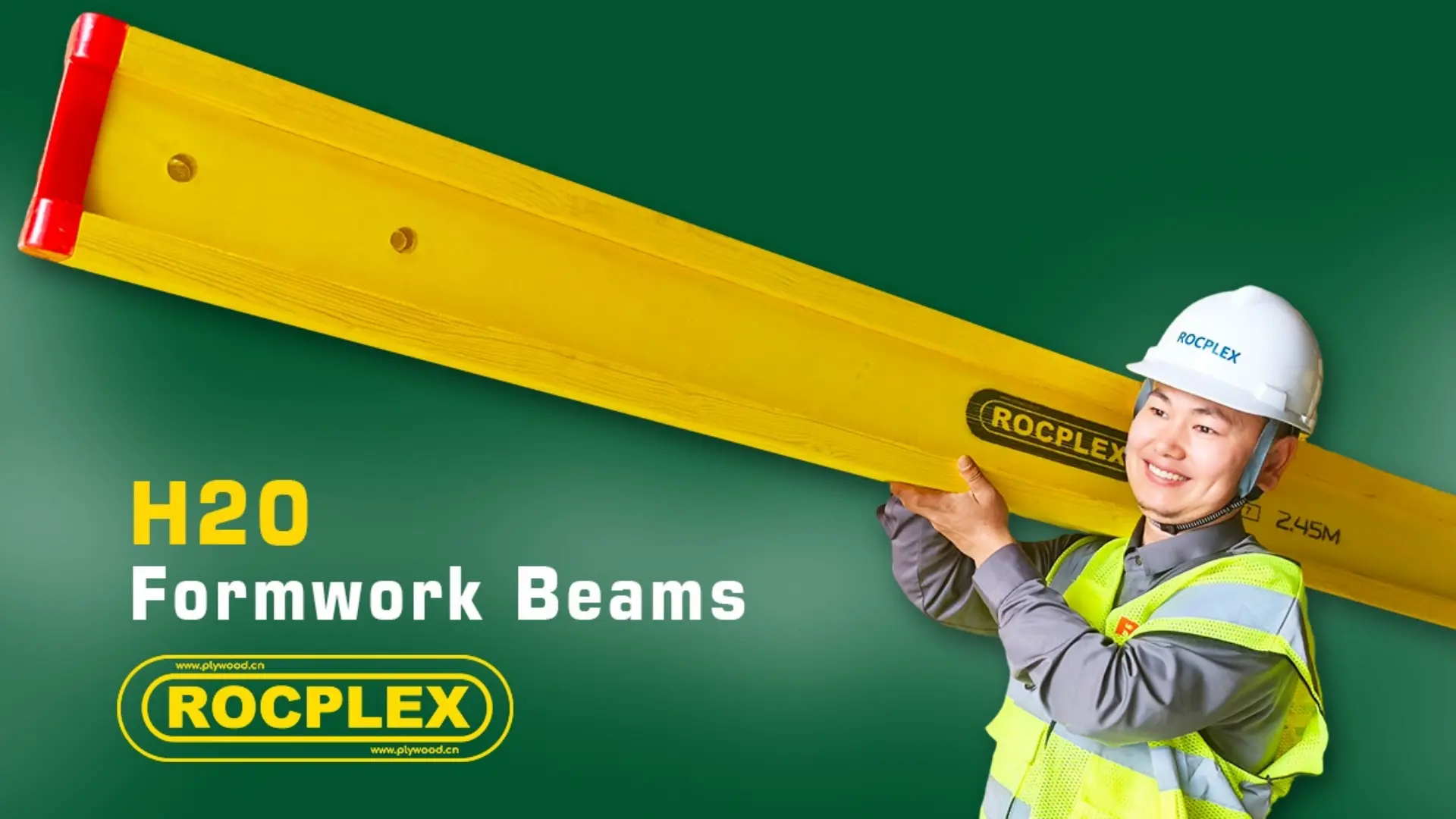
For slab work, beam spacing, stiffness, and layout all affect deck stability, stripping rhythm, and the speed of reset. The site’s H20 beam and formwork beam pages make that system relationship easier to understand because they sit directly beside the face-panel pages in the product structure.
If the project target is faster slab turnover, a matched support system can matter just as much as the face panel itself.
How buyers should compare cost per pour in concrete formwork
The best formwork for concrete pouring is rarely the sheet with the lowest opening quote. The real cost sits in reuse, labor time, surface repair, stripping speed, and replacement rate. A cheaper panel that fails early can become the more expensive option once the work slows down.
What buyers should define before buying the best formwork for concrete pouring
- What element is being poured: slab, wall, beam, column, or deck
- What finish level is required after stripping
- How many reuse cycles matter for the project
- What beam spacing or support layout will be used
- What delivery, packing, or documentation requirements matter
These details change the buying answer. A fair-faced wall job should not be quoted the same way as a basic temporary support job. A fast slab cycle should not be planned without checking the beam side of the system. Better buying starts with better comparison logic.
How to choose the best formwork for concrete pouring with fewer mistakes
A stronger decision starts with the real site goal. Do you need a cleaner finish, faster slab speed, steadier repeat use, or lower complaint risk after stripping. Once that goal is clear, the product path becomes much easier to judge.
For many buyers, the practical route is simple: start from the formwork plywood category, compare film faced plywood for finish-driven work, review 3 ply yellow formwork panels for daily site handling, and check H20 formwork beams and formwork beams for support-system planning.
If you want fewer surprises, do not ask only what the board costs. Ask what the full system helps you avoid. That is where better project margins are usually protected.
Best formwork for concrete pouring FAQ
What is the best formwork for concrete pouring
The best option depends on finish, speed, reuse, and support design. Premium film faced plywood is often stronger for finish and repeat use, while practical panel systems may suit daily handling better.
Which formwork gives the best concrete finish
A premium film faced plywood with a stable face and cleaner release profile is often the better choice when concrete appearance matters.
What is best for slab pouring
A matched system is usually best for slab work, with a reliable face panel supported by H20 beams or other engineered support members.
Are 3 ply yellow panels good for concrete pouring
Yes. They are a practical choice for slabs, walls, columns, and beam edges where daily handling, repeat use, and cost control matter.
Why is cost per pour more important than sheet price
Because real project cost comes from reuse, finish quality, labor time, and panel replacement, not just from the first quoted price.
Useful technical references
- OSHA cast in place concrete requirements
- ACI guide to formwork for concrete
- Industry guide to concrete formwork materials and methods
Post time: May-11-2026