

Film faced plywood vs shuttering plywood is a common question for concrete formwork buyers. The simple answer is this: shuttering plywood is a broad name for plywood used to form concrete, while film faced plywood is usually a coated formwork panel with a resin film surface for cleaner release, smoother finish, and better reuse control.
In real buying, the difference is not only the name. Buyers should compare the surface film, core build, WBP bonding, edge sealing, thickness tolerance, and expected reuse cycles. A low price sheet may work for short jobs, but a better panel can reduce site waste and lower cost per pour.
ROCPLEX supplies film faced plywood for concrete formwork programs where finish quality and repeat use matter. This guide explains how builders and importers should choose between film faced plywood and shuttering plywood before placing bulk orders.
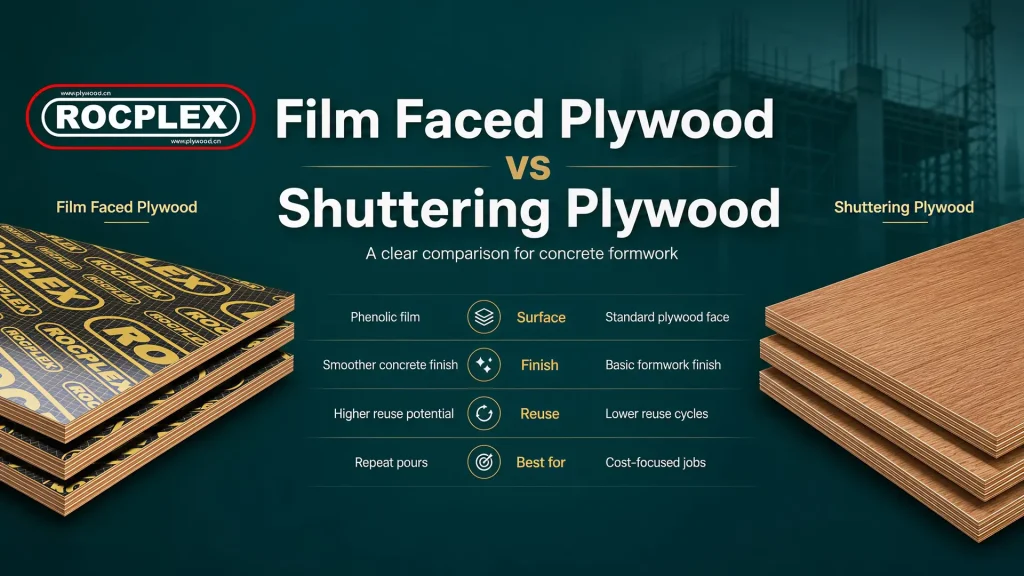
Film faced plywood vs shuttering plywood in simple terms
Shuttering plywood is a general jobsite term. Many builders use it to describe plywood sheets used as temporary moulds for concrete. It may include plain plywood, coated plywood, low grade panels, high grade panels, or local formwork boards.
Film faced plywood is more specific. It has a film surface, often phenolic film, applied to one or both faces. This film helps the panel resist wet concrete contact and supports a cleaner release after the concrete sets.
So the question is not which name sounds better. The real question is whether the panel specification matches the job. For fair faced walls, repeat slab cycles, and large formwork programs, film faced plywood often gives clearer buying control.
Why buyers confuse these two products
The terms overlap because many regions use different names for the same jobsite function. Some buyers say shuttering plywood. Some say formwork plywood. Others say film faced plywood, phenolic plywood, or form ply. The terms can point to similar use, but not always to the same quality level.
This is why buyers should avoid ordering by name alone. A supplier may call a low grade coated sheet “shuttering plywood,” while another supplier may use the same term for a stronger WBP panel. The safer method is to define the build details in the RFQ.
For strong comparison, ask for film weight, core type, glue level, edge sealing, thickness tolerance, packing method, and target reuse range. These details tell more than the product name.
Surface finish is the first visible difference
The surface is where film faced plywood often stands apart. A phenolic film surface helps reduce concrete sticking and slows face wear. This matters when the finished concrete needs fewer marks and less repair work.
Shuttering plywood may or may not have this kind of film. Some shuttering panels use basic coating. Some may be uncoated. Others may have a film surface but with a lighter film weight or less stable face quality.
For clean concrete release, buyers should not rely only on colour. Black film and brown film can both work well when the film, core, bonding, and press quality are right. Colour alone is not a technical grade.
Core quality controls strength and shape
The core decides how the panel behaves under load. A weak core can cause bending, twisting, voids, edge damage, and short service life. This is a key point in any film faced plywood vs shuttering plywood comparison.
A high grade film faced panel often uses a selected core for better stability. ROCPLEX Form Birch uses a full birch build for demanding wall and slab routines. This helps the panel stay flatter and more predictable during repeat pours.
Some shuttering plywood is made for short term use. That may be fine for low pressure or single use jobs. Yet it can create hidden cost when panels fail early, leave marks, or need frequent replacement.
Bonding matters when concrete work gets wet
Concrete formwork faces moisture every day. Panels may also face rain, wash water, release agent, vibration, and storage stress. If bonding is weak, the sheet can delaminate. Once that starts, the panel becomes hard to reuse.
WBP film faced plywood is designed for wet site routines. For serious concrete jobs, buyers should ask whether the panel uses WBP bonding or another suitable bonding level. The glue line is often more important than the product label.
Formwork design also requires safe planning, suitable materials, and control of concrete pressure. The American Concrete Institute publishes guidance on formwork for concrete, including planning, design, construction, and materials. Buyers can use this type of technical guidance when setting formwork purchase rules.
ACI Guide to Formwork for Concrete
Edge sealing separates short use from repeat use
Edges are a common weak point. Water can enter through open sides, nail holes, damaged corners, or fresh cut edges. Once moisture enters, swelling can start. This makes panels harder to fit and harder to reuse.
Good film faced plywood should have sealed edges. ROCPLEX Form Birch uses multi coat edge sealing to slow moisture entry. If crews cut panels on site, they should reseal the cut edges before reuse.
Basic shuttering plywood may not have the same edge protection. That does not always make it wrong. It just means buyers need to match it with the right job and realistic reuse target.
Buyer comparison table for concrete jobs
| Buyer check | Film faced plywood | Shuttering plywood | Best buying question |
|---|---|---|---|
| Meaning | Coated plywood with a film surface | Broad term for concrete forming plywood | What exact surface and build are supplied |
| Surface | Often phenolic film for cleaner release | May be coated, basic, or uncoated | What film type and film weight are used |
| Core | Can use birch, hardwood, or selected core | Quality varies widely by supplier | What core species and veneer grade are used |
| Bonding | Often specified with WBP bonding | May vary by grade and market | Is the panel suitable for wet concrete work |
| Edge protection | Often sealed for repeat use | May be basic or not clearly stated | Are all edges sealed before shipping |
| Concrete finish | Better choice for smooth finish targets | Works for basic forming if quality is suitable | What finish level is required on site |
| Cost logic | Better for cost per pour when reused well | May suit low cost short use jobs | How many successful pours are expected |
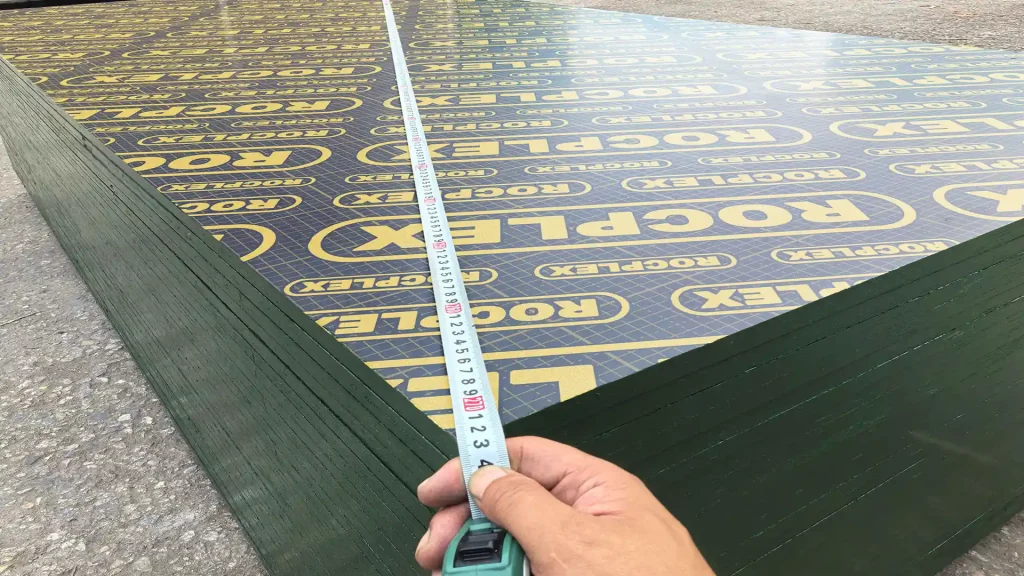
When film faced plywood is the better choice
Choose film faced plywood when the job needs clean release, smoother concrete, and more stable reuse. It is a strong choice for walls, slabs, columns, beams, precast work, and jobs where the surface finish is visible.
It is also better for buyers who manage repeat orders. Clear specifications help procurement teams keep quality stable from one container to the next. This matters for wholesalers, formwork rental companies, and contractors with fast cycle programs.
For demanding jobs, review ROCPLEX film faced plywood for concrete formwork. The page explains phenolic film, WBP bonding, sealed edges, full birch core, reuse targets, sizes, tolerances, and RFQ details.
When shuttering plywood may still make sense
Shuttering plywood may still be practical for low cost forming, short term jobs, or work where the concrete face is not visible. It can also fit projects with simple shapes and limited reuse needs.
The risk comes when buyers expect premium results from a basic sheet. If the job needs fair faced finish, repeat cycles, or wet site durability, then a vague shuttering plywood label is not enough. The RFQ must define the grade.
Buyers comparing options can also review formwork plywood and formply. These pages help clarify how different panel types fit different concrete formwork routines.
Cost per pour gives the clearest answer
The best way to compare film faced plywood vs shuttering plywood is cost per pour. A cheaper sheet may cost less today. Yet it may cost more if it fails early, needs more patching, or slows stripping work.
Cost per pour includes more than the invoice price. It includes panel life, labour, concrete repair, handling damage, replacement cost, and schedule risk. This is why many professional buyers ask for reuse targets before comparing quotes.
Film faced plywood should be selected by site result, not by sheet price alone. The stronger choice is usually the one that gives cleaner release, stable shape, fewer replacements, and better repeat order control.
What buyers should write in the RFQ
A clear RFQ helps avoid wrong comparisons. Buyers should state the job type, size, thickness, film colour, film weight, core requirement, WBP bonding need, edge sealing, target reuse, quantity, destination port, and document needs.
If your market requires certified sourcing, ask for the paperwork at the start. FSC Chain of Custody and PEFC Chain of Custody are common document requests for timber based supply chains.
For complete formwork systems, buyers may also need beams and accessories. ROCPLEX supplies related products such as H20 formwork beams for slab and wall formwork programs.
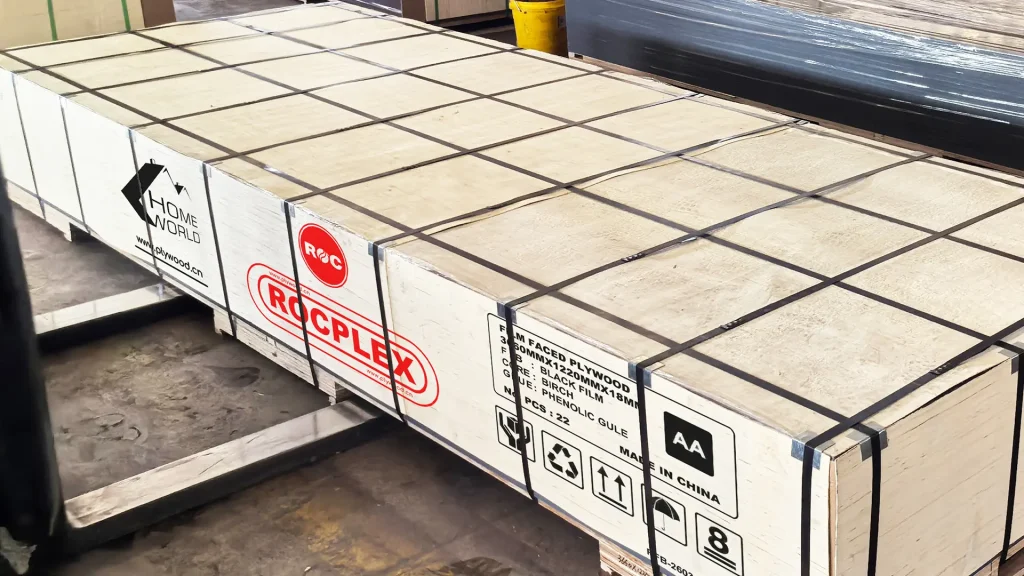
FAQ about film faced plywood vs shuttering plywood
Is film faced plywood the same as shuttering plywood?
Not exactly. Shuttering plywood is a broad term for plywood used in concrete forming. Film faced plywood usually means a coated panel with a resin film surface.
Which is better for smooth concrete finish?
Film faced plywood is usually better for smooth finish targets because the film surface supports cleaner release and reduces face wear when handled well.
Which one is cheaper?
Basic shuttering plywood may have a lower sheet price. Film faced plywood can offer lower cost per pour when it gives more reuse and fewer site repairs.
Does film colour decide quality?
No. Black and brown film can both perform well. Buyers should check film weight, core quality, bonding, edge sealing, and supplier control.
What should buyers ask before ordering?
Ask for size, thickness, film weight, core type, WBP bonding, edge sealing, reuse target, tolerance, packing, port, and required documents.
Practical buying note
Film faced plywood vs shuttering plywood is not only a wording issue. It is a buying risk issue. If the project needs simple forming for limited use, shuttering plywood may be enough. If the project needs smooth concrete, repeat reuse, and lower cost per pour, film faced plywood gives buyers a clearer and safer specification route.
For bulk orders, send your panel size, thickness, film colour, target reuse cycles, finish requirement, and destination port. ROCPLEX can help match the right film faced plywood grade, packing plan, and document pack for your concrete formwork job.
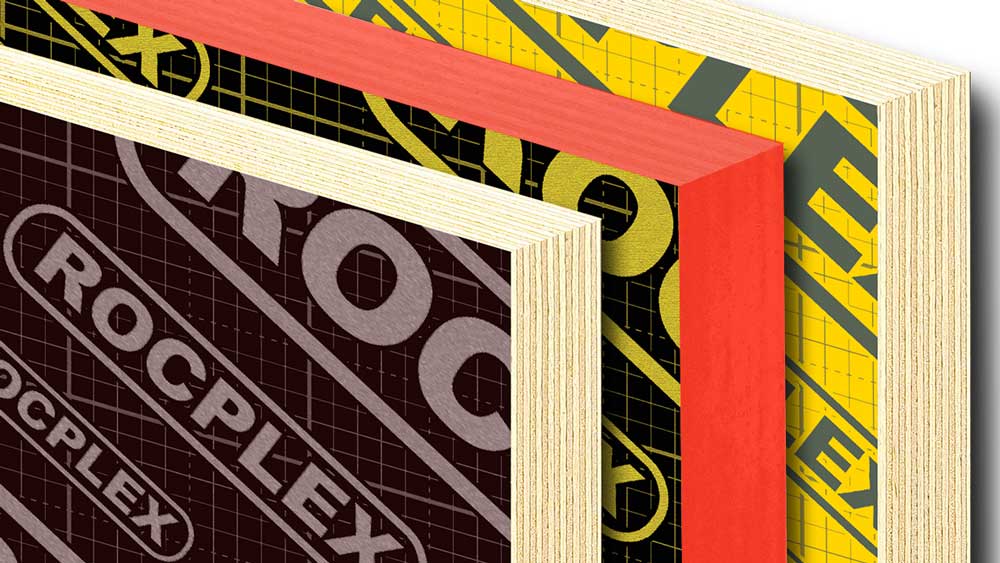
ROCPLEX Form Birch Film Faced Plywood
Film faced plywood should prove its value on site, not on paper. ROCPLEX Form Birch is a premium film faced plywood built for high reuse in concrete formwork. It aims to stay flat, release clean, and keep a stable face across repeat pours. The build focuses on three things that drive real cycles: 220 g/m² phenolic film on both sides, A-bond WBP bonding, and four-coat sealed edges. Full birch construction adds strength and stiffness for demanding routines. Share your size…
Post time: May-25-2026