

What is Concrete Formwork?
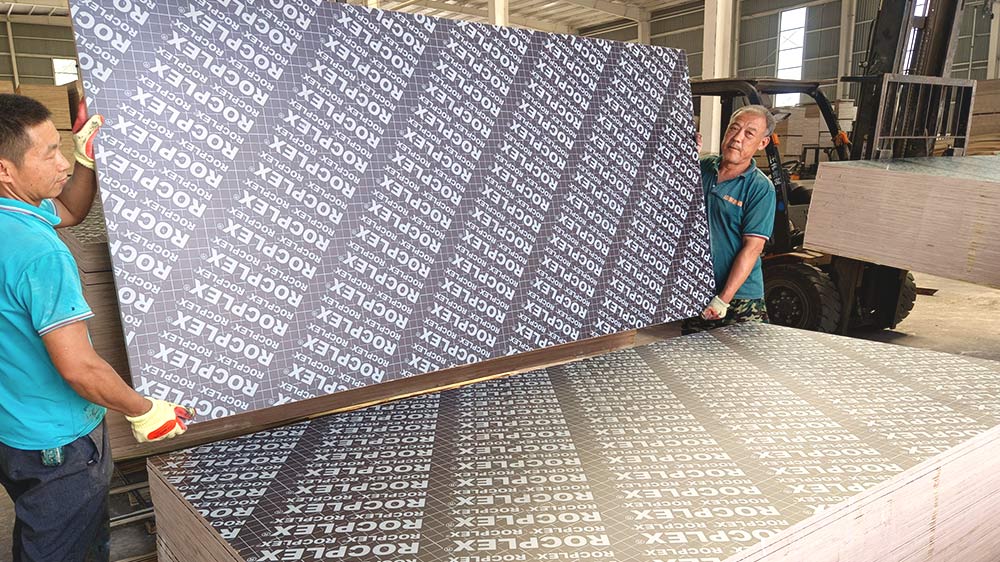
Concrete formwork plays a crucial role in construction. Crews use it as a temporary mold for fresh concrete. It shapes and supports the concrete until it sets and reaches the required strength. From skyscrapers to residential homes, concrete formwork plays a vital role in ensuring the integrity and safety of buildings by providing the framework needed for precise and durable concrete structures. This process involves using various materials, but concrete formwork plywood and film faced plywood have become particularly popular due to their strength, reusability, and smooth surface finish.
At its core, concrete formwork can be classified into two main categories: traditional formwork and engineered formwork. Traditional formwork typically uses materials such as timber or plywood to create molds, while engineered formwork uses systems made from prefabricated modules like steel, plastic, or aluminum. The choice of material depends on factors like the complexity of the project, budget, and the desired finish. For many construction professionals, plywood formwork, particularly film faced plywood, has become a go-to solution because of its versatility, cost-effectiveness, and durability.
Concrete formwork is indispensable in modern construction because it not only provides the mold for the concrete but also holds the concrete in place as it cures. Whether it’s for beams, walls, or slabs, formwork systems ensure that the concrete retains its intended shape, providing the necessary strength for long-lasting structures. With advanced formwork techniques, builders can achieve complex designs, faster construction times, and more cost-efficient solutions for large-scale projects.
The Growing Importance of Concrete Formwork in Modern Construction
Concrete formwork has evolved significantly over the years, becoming more advanced and adaptable to modern building techniques. The growing need for sustainable and efficient construction solutions has put concrete formwork at the forefront of the industry. As construction projects become more complex, the demand for formwork that can handle intricate designs and provide faster build times has also increased.
Concrete Formwork and Sustainability
Sustainability in construction is a key focus today, and concrete formwork is no exception. Traditional formwork systems work well, but they can create significant material waste. Timber formwork often lasts only a few reuses, so crews replace it more frequently. Concrete formwork plywood and film faced plywood offer a more sustainable solution. Plywood formwork is often reusable, reducing the need for new materials on each project. Additionally, film faced plywood, with its smooth surface and waterproof coating, allows for multiple reuses, further minimizing waste.
The use of concrete formwork plywood also contributes to sustainable construction practices by reducing the overall weight of the formwork system. This lighter weight results in lower energy consumption during transportation and installation. Many plywood manufacturers now offer environmentally certified products. These certifications confirm that suppliers source the plywood from responsibly managed forests.
With these advancements, concrete formwork is becoming an increasingly eco-friendly choice for builders looking to minimize their environmental impact while maintaining the highest standards of construction quality.
The Role of Film Faced Plywood in Formwork Systems
Film faced plywood has become a preferred material in formwork systems due to its durability and smooth finish. Manufacturers coat this plywood with a phenolic film. This film resists moisture, chemicals, and abrasion. As a result, film faced plywood is ideal for use in concrete formwork, where it provides a smooth surface finish to the concrete and can withstand multiple uses without significant wear and tear.
Film faced plywood also offers an added benefit of reducing the need for additional finishing on the concrete surface. The plywood produces a smooth concrete finish. As a result, crews spend less time sanding or plastering after they strip the formwork. This not only saves time and labor costs but also ensures a more polished and professional look for the final structure.
Types of Concrete Formwork: Traditional vs. Engineered Systems
When it comes to choosing the right formwork system for a project, builders must decide between traditional and engineered concrete formwork. Each system has its advantages, depending on the specific requirements of the project.
Traditional Concrete Formwork
Traditional concrete formwork involves using materials like timber, plywood, or steel to create the molds for concrete structures. This method is commonly used for smaller projects or projects with simple designs. Concrete formwork plywood is often the material of choice in traditional systems because of its strength, flexibility, and affordability. Plywood can be easily cut and shaped to fit a variety of designs, making it a versatile option for builders.
One of the main advantages of traditional formwork is its simplicity. It doesn’t require specialized equipment or training, making it accessible for smaller construction teams. However, traditional formwork is labor-intensive and can result in significant material waste if the plywood or timber is not reused.
Engineered Concrete Formwork
Engineered formwork systems use prefabricated modules made from steel, aluminum, or plastic. Crews reuse these systems many times. They also deliver higher precision and strength than traditional formwork. Engineered formwork is commonly used in large-scale commercial projects where speed and efficiency are critical.
One of the main benefits of engineered formwork is its durability. Crews can reuse steel and aluminum formwork many times with minimal wear. This durability makes them cost-effective on long-term projects. Many engineered formwork systems also use modular components. These modules speed up assembly and disassembly.
Film faced plywood can also be used in engineered formwork systems, particularly when a smooth surface finish is required. The combination of engineered systems and durable plywood creates a robust solution that can handle even the most demanding construction projects.
The Advantages of Using Concrete Formwork Plywood
Concrete formwork plywood has become a staple in the construction industry for several reasons. Not only does it offer strength and flexibility, but it also provides a cost-effective and sustainable solution for formwork needs. Here are some of the key advantages of using concrete formwork plywood in construction:
1. Reusability
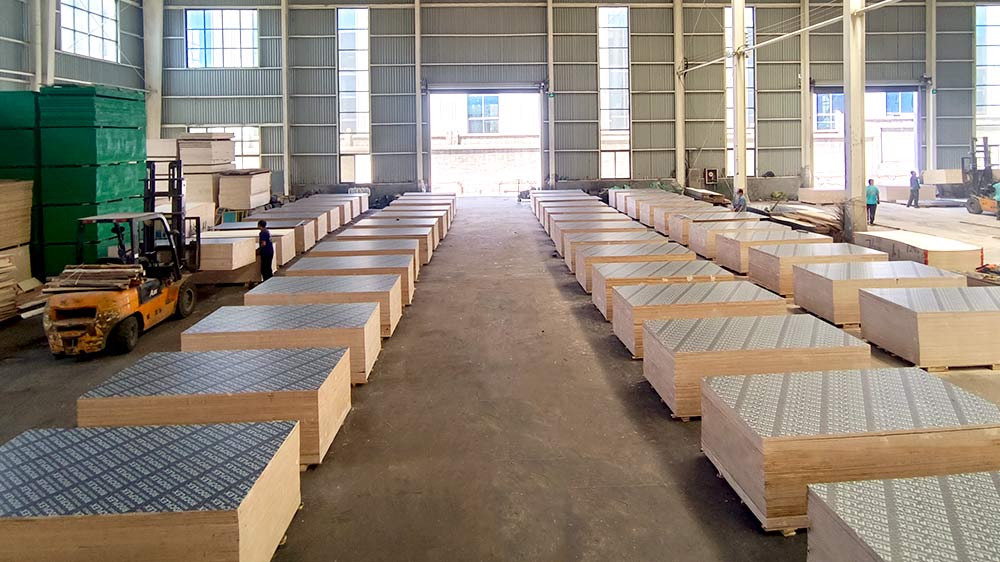
One of the most significant benefits of concrete formwork plywood is its reusability. Plywood formwork can be used multiple times before it needs to be replaced, making it a more cost-effective option compared to single-use materials. With proper care and maintenance, film face plywood can be reused for several projects, reducing material waste and lowering overall costs.
2. Durability
Concrete formwork plywood is designed to withstand the pressures of concrete pouring and curing. Film faced plywood, in particular, offers additional durability thanks to its waterproof coating, which protects the plywood from moisture and chemical damage. This makes it an ideal choice for projects where the formwork will be exposed to harsh conditions.
3. Smooth Surface Finish
Film faced plywood provides a smooth surface finish to the concrete, reducing the need for additional finishing work. This not only saves time but also ensures a more professional and polished appearance for the final structure. Builders appreciate the time and cost savings that come with using film faced plywood in their formwork systems.
4. Versatility
Concrete formwork plywood is highly versatile and can be used in a variety of applications, from walls and slabs to beams and columns. Its flexibility makes it easy to adapt to different project requirements, whether for small residential builds or large commercial projects. Shuttering Plywood formwork can also be customized to fit specific design needs, making it a valuable tool for builders who need precision and reliability.
Innovations in Concrete Formwork: A Look at the Future
The construction industry is constantly evolving, and concrete formwork is no exception. New innovations in formwork systems are making it possible to build faster, more efficiently, and with greater precision. As builders look for ways to reduce costs and improve sustainability, concrete formwork is becoming an area of significant innovation.
Advanced Formwork Materials
One of the most exciting developments in concrete formwork is the introduction of advanced materials. Manufacturers are integrating high-performance plastics, lightweight composites, and engineered wood products into formwork systems. These materials create stronger, lighter, and more durable molds.These materials not only improve the performance of the formwork but also reduce the environmental impact of construction projects.
Film faced plywood continues to play a crucial role in these innovations, offering a balance of strength, durability, and sustainability. With its smooth finish and resistance to moisture and chemicals, film faced plywood is a key component in modern formwork systems.
Automation and Prefabrication
Automation and prefabrication are changing how crews design and assemble concrete formwork. Manufacturers build prefabricated formwork systems off-site. Crews then assemble them on-site. Large-scale projects now use these systems more often. These systems reduce labor costs, improve precision, and shorten construction timelines.
Automation is also entering the formwork industry. Developers are building robotic systems that assemble and strip formwork faster and more accurately. This shift will likely improve efficiency and reduce costs across many construction projects.
Modular Formwork Systems
One of the most impactful innovations in concrete formwork has been the development of modular systems. Modular formwork systems use pre-engineered components. Crews assemble and disassemble them easily to match different project needs. These systems also support repeated reuse. This reuse improves sustainability and reduces costs on large-scale projects.
Modular systems are particularly popular in commercial and high-rise construction, where speed and efficiency are paramount. By using modular formwork, builders can reduce labor costs and improve construction timelines without sacrificing quality. Manufacturers typically make the components from durable materials such as steel, aluminum, or plastic. Crews also incorporate film faced plywood when they need a smooth surface finish.
The benefits of modular formwork extend beyond efficiency. Interchangeable components let builders adapt the system to different project needs. This design delivers high flexibility. This adaptability is crucial for projects with complex designs or tight deadlines, where traditional formwork systems may fall short.
Self-Climbing Formwork
Self-climbing formwork is another innovative solution that’s gaining traction in the construction industry. Formwork climbs with the structure as the building rises. Crews keep working without stripping and rebuilding the form at each level. Builders often use this system on skyscrapers and other tall buildings. It supports faster cycles and improves jobsite safety.
Film faced plywood is often used in self-climbing formwork systems because of its durability and ability to provide a smooth finish. The use of concrete formwork plywood in these systems helps to maintain the structural integrity of the building while ensuring that the concrete sets properly.
The Challenges of Using Concrete Formwork
While concrete formwork offers many advantages, it also comes with its own set of challenges. Builders must consider several factors when choosing the right formwork system for their project, including cost, labor, and material availability.
Cost Considerations
One of the main challenges of using concrete formwork is the cost. High-quality formwork materials, such as film faced plywood, can be expensive upfront, though they often provide long-term savings through reusability. Builders must weigh the initial investment against the potential savings in labor and material reuse.
The cost of formwork also depends on the complexity of the project. For large-scale or highly detailed structures, engineered formwork systems may be necessary, which can drive up the overall cost. However, these systems often pay off in terms of efficiency and durability, making them a worthwhile investment for commercial projects.
Labor and Installation
Installing concrete formwork can be labor-intensive, especially when using traditional methods. Timber and plywood formwork systems require skilled labor to cut, assemble, and install the components. This can lead to higher labor costs and longer construction timelines.
To address this challenge, many builders are turning to prefabricated or modular formwork systems, which require less manual labor and can be assembled more quickly. These systems not only reduce labor costs but also minimize the risk of errors during installation.
Material Availability
The availability of high-quality formwork materials, such as concrete formwork plywood, can also be a challenge. In some regions, sourcing reliable plywood may be difficult, leading to delays or increased costs. To mitigate this issue, many builders establish relationships with trusted suppliers who can provide consistent access to materials like film faced plywood.
Best Practices for Concrete Formwork Maintenance
To maximize the lifespan of concrete formwork, especially plywood formwork, proper maintenance is essential. By following best practices for cleaning and storage, builders can extend the usability of their formwork systems and reduce overall costs.
Cleaning and Storage
After each use, it’s important to clean concrete formwork thoroughly to remove any concrete residue. For plywood formwork, this is especially crucial, as concrete left on the surface can cause the plywood to deteriorate over time. Film faced plywood is easier to clean than traditional plywood due to its smooth, waterproof surface, but it still requires regular maintenance to ensure longevity.
Storing plywood formwork in a dry, protected environment is also key to preventing moisture damage. Plywood can warp or delaminate if exposed to excessive moisture, so it’s important to keep it stored in a climate-controlled area whenever possible. For film faced plywood, the waterproof coating provides some protection against moisture, but proper storage is still recommended to maintain its quality.
Regular Inspections
Inspecting concrete formwork before and after each use is another best practice that can help extend its lifespan. For plywood formwork, this means checking for signs of damage, such as warping, cracking, or delamination. Any damaged plywood should be repaired or replaced before it’s used again, as compromised formwork can lead to structural issues in the concrete.
By regularly inspecting and maintaining their formwork systems, builders can ensure that their materials remain in good condition and ready for future projects. This proactive approach to maintenance can lead to significant cost savings over time, as it reduces the need for frequent replacements.

FAQs about Concrete Formwork
Q: What is the difference between traditional and modular concrete formwork?
A: Traditional formwork often uses timber or plywood, and crews assemble it by hand. Modular formwork uses pre-engineered components. Crews assemble it faster and reuse it more easily. As a result, it improves efficiency on large-scale projects.
Q: How many times can I reuse concrete formwork plywood?
A: The plywood’s quality and your maintenance routine determine how many times you can reuse it. With proper care, film faced plywood can reach 20–30 reuses in many formwork applications.
Q: What are the benefits of using film faced plywood in concrete formwork?
A: Film faced plywood offers durability, a smooth surface finish, and resistance to moisture and chemicals, making it ideal for repeated use in concrete formwork.
Q: How does self-climbing formwork work?
A: Self-climbing formwork moves upward as the building progresses, allowing continuous construction without disassembling the formwork. It’s commonly used in high-rise projects to save time and increase efficiency.
Q: Can concrete formwork be used in prefabricated construction?
A: Yes. Builders use concrete formwork, especially modular systems, in prefabricated construction. It speeds up the build process. It also helps reduce labor costs.
Q: How do I maintain my concrete formwork plywood?
A: Clean the plywood after each use to remove concrete residue, and store it in a dry, protected environment to prevent moisture damage. Regular inspections can also help catch any signs of wear and tear before they become major issues.
Post time: Oct-19-2024