

What is Concrete Formwork Plywood
Concrete formwork plywood, also known as shuttering plywood or construction plywood, plays a critical role in the building industry. It serves as a mold for concrete structures, ensuring precision and stability during the curing process. This specialized plywood withstands the rigors of concrete pouring. As a result, it delivers reliable, durable performance on many construction projects.
Concrete formwork plywood is crucial for ensuring the structural integrity and accuracy of concrete constructions. By providing a stable and secure mold, it allows for precise shaping and curing of concrete elements. Construction crews value this plywood because it withstands the heavy loads and pressure from wet concrete. As a result, it helps builders deliver a strong, durable finished structure.
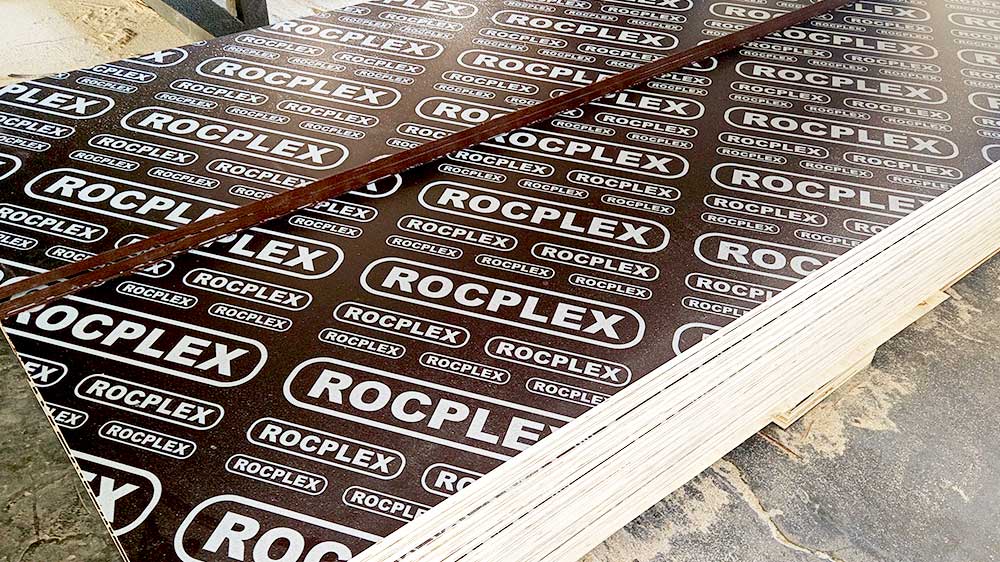
Understanding Concrete Formwork Plywood
What is Concrete Formwork Plywood?
Concrete formwork plywood is an engineered wood panel for construction use. Builders use it as a temporary mold for concrete. It shapes and supports the concrete until it hardens. Manufacturers make this plywood from high-quality veneers. They bond the veneers with strong adhesives for strength and stability. Many suppliers also coat the surfaces with film or resin. This coating improves durability and helps the panel release cleanly from the concrete.
Concrete formwork plywood comes in various grades and thicknesses, tailored to meet different construction needs. The quality and type of wood used in manufacturing can vary, impacting the plywood’s performance and lifespan. Manufacturers often use hardwoods such as birch or tropical hardwoods. These species provide high strength and resist wear and tear.
ACI guide to formwork for concrete (safety and good practice)
Benefits of Using Concrete Formwork Plywood
Durability and Strength
Concrete formwork plywood is known for its exceptional durability. The high-quality veneers and strong adhesives ensure it can withstand the heavy loads and pressure exerted by wet concrete. This makes it an ideal choice for large-scale construction projects where reliability is crucial.
Concrete formwork plywood resists moisture and chemicals. This resistance further improves its durability. This ensures that the plywood remains intact and functional even under harsh environmental conditions. The strength of this plywood allows it to support the weight of the concrete without warping or breaking, providing a stable and secure mold for the construction process.
Versatility in Construction
One of the key advantages of concrete formwork plywood is its versatility. Builders use it in many applications. It suits simple residential buildings and complex commercial structures. Whether creating columns, beams, or slabs, this plywood provides the necessary support and shape.
Concrete formwork plywood is easy to cut and shape for each project. This flexibility suits many construction tasks. Crews can adapt the panels to different shapes and sizes. As a result, builders use them on small residential jobs and large commercial buildings.
Types of Concrete Formwork Plywood
Film Faced Plywood
Film faced plywood is a popular type of concrete formwork plywood. It features a smooth, durable film coating on both sides, which protects the wood from moisture and chemicals. This coating also ensures a smooth finish on the concrete surface, reducing the need for additional finishing work.
The film coating on this type of plywood provides a barrier that prevents moisture from penetrating the wood. This performance makes it ideal for wet environments where the plywood faces frequent moisture exposure. The smooth surface of film faced plywood also makes it easier to remove from the concrete once it has hardened, reducing the risk of damage to both the plywood and the concrete.
APA guidance on concrete form panels and exterior bond classification
Timber Formwork
Timber formwork, made from high-quality wood veneers, is another common type of formwork plywood. It offers excellent strength and stability, making it suitable for various construction applications. Contractors often prefer timber formwork because it offers a natural finish and is easy to handle.
Timber formwork is valued for its aesthetic appeal and natural look. Project teams often use it when the formwork surface appearance matters. The natural finish of timber formwork provides a warm and inviting look, making it a popular choice for residential construction. The ease of handling and installation also makes it a convenient option for builders.
Plastic Coated Plywood
Plastic coated plywood is another type of concrete formwork plywood. It has a plastic coating on the surface. Because of this, it helps block moisture and many chemicals. As a result, it resists wear and stays durable, so it works well on demanding construction sites.
The plastic coating enhances the plywood’s durability and resistance to harsh conditions. It also ensures a smooth finish on the concrete surface, reducing the need for additional finishing work. This type of plywood is ideal for use in projects where durability and performance are crucial.
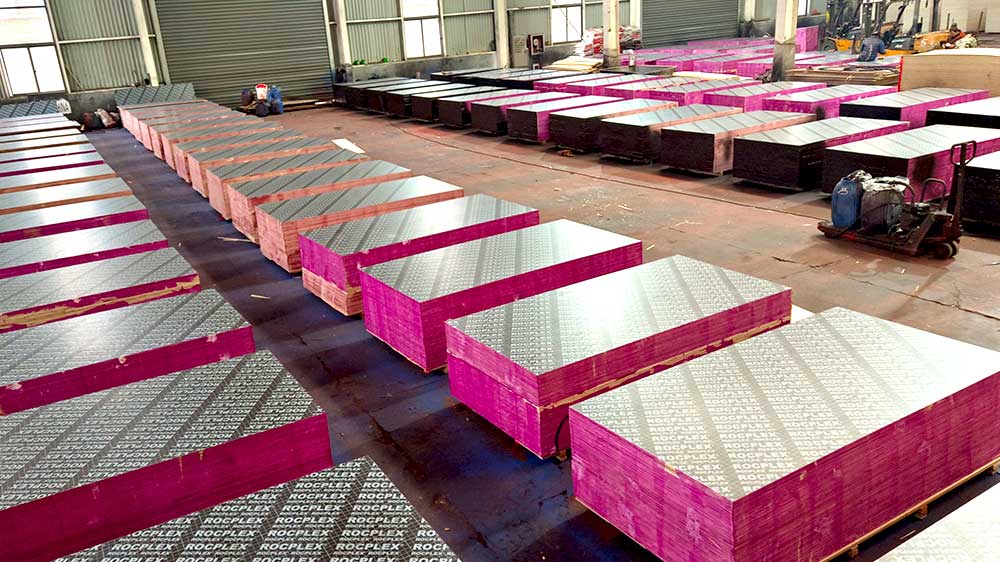
Applications of Concrete Formwork Plywood
Residential Construction
In residential construction, builders use concrete formwork plywood to build foundations, walls, and floors. Its durability and strength make it ideal for supporting the weight of concrete and ensuring a stable structure.
Builders use concrete formwork plywood at many stages of residential construction. It provides the necessary support for pouring concrete foundations, ensuring that they are level and stable. The plywood also helps create smooth and even walls, reducing the need for additional finishing work. In flooring work, shuttering plywood helps crews pour concrete evenly. This even pour creates a strong, durable floor.
Commercial Projects
Commercial builders also use concrete formwork plywood on many projects. They use it to form complex structures such as high-rise buildings, bridges, and tunnels. Its versatility supports many applications. As a result, crews achieve precise, reliable construction.
In commercial projects, concrete formwork provides the necessary support for large and complex structures. Teams use it to form molds for columns, beams, and slabs, and it helps maintain strong, stable shapes during the pour. In addition, film face plywood adapts to many formwork tasks, which makes it a valuable option for commercial construction teams.
Infrastructure Development
Concrete formwork plywood is crucial in infrastructure development projects such as roads, bridges, and dams. Its strength and durability ensure that the concrete structures are stable and long-lasting.
In infrastructure development, project teams use film faced plywood to build molds for large, complex concrete structures. It provides the necessary support to ensure that the structures are strong and stable. The plywood’s durability and resistance to harsh environmental conditions make it ideal for use in infrastructure projects.
Installation and Maintenance
Proper Installation Techniques
To ensure the effectiveness of concrete formwork, it is crucial to follow proper installation techniques. This includes securely fastening the plywood to the supporting framework and ensuring it is properly aligned. Proper installation helps prevent shifting or damage during the concrete pouring process.
Proper installation of shuttering plywood involves using the correct tools and techniques. Fasten the plywood securely to the supporting framework to stop movement during the pour. Also align the panels accurately so they form a smooth, even concrete surface.
AS 3610.1 formwork documentation and surface finish
Maintenance and Storage
Maintaining concrete formwork sheet is simple, as long as you clean and store it the right way. After each use, remove concrete residue as soon as possible, so it does not build up and damage the surface. Then, let the panels dry fully. Finally, store them in a dry, covered area, because good storage prevents moisture damage and warping. As a result, the plywood lasts longer and keeps stable performance on site.
Regular maintenance of film face plywood ensures that it remains in good condition and performs effectively. Cleaning the plywood after each use removes any residue that could affect its performance. Proper storage in a dry and protected area helps prevent damage and extends the lifespan of the plywood.
Repairing Damaged Plywood
Over time, concrete formwork board may become damaged due to repeated use. Repairing damaged plywood involves patching up any cracks or holes to ensure that it continues to provide the necessary support and stability for concrete structures.
Repairing damaged film faced plywood helps extend its lifespan and maintain its performance. Small cracks and holes can be patched up using wood filler or other suitable materials. Regularly inspecting the plywood for damage and repairing it promptly ensures that it remains in good condition.
Environmental Impact
Sustainability of Concrete Formwork Plywood
Concrete formwork ply can be an environmentally friendly choice for construction, especially when it comes from responsible sources. First, manufacturers use wood from sustainably managed forests, so the raw material stays renewable. In addition, formwork plywood can often be recovered after use and sent for recycling, which means less waste ends up in landfill. As a result, builders can lower the environmental impact of a project while still using a strong and practical formwork panel. Overall, this recycling-and-reuse approach supports a cleaner and more sustainable construction industry.
Reducing Waste in Construction
Using concrete formwork plywood can help reduce waste in construction projects. The plywood can be reused multiple times, reducing the need for new materials. This helps minimize waste and lower the overall environmental impact of the construction process.
The reusability of shuttering plywood makes it a cost-effective and environmentally friendly choice for builders. By reusing the plywood in multiple projects, builders can reduce the amount of waste generated and lower their environmental footprint. This contributes to a more sustainable construction industry.
Future Trends in Concrete Formwork Plywood
Innovations in Materials
The construction industry keeps evolving, so manufacturers continue to improve both concrete formwork board and film faced plywood. In particular, new materials are being introduced to boost performance on site. For example, upgraded adhesives can improve bond strength and reduce delamination under heavy use. At the same time, improved coatings and film layers add a stronger barrier, so the panels resist moisture, chemicals, and surface wear more effectively. As a result, the plywood lasts longer, stays more stable in changing weather, and delivers more consistent results in demanding construction environments.
Increasing Sustainability
Sustainability is becoming a key focus in the construction industry. As a result, many manufacturers are improving film faced plywood and concrete formwork plywood to make them more eco-friendly. For example, they use more renewable wood sources and choose lower-impact materials where possible. In addition, more companies are setting up recycling and take-back programs, so used panels can be handled in a cleaner way instead of going to landfill. Because of these steps, the industry can cut waste and reduce its overall environmental footprint. Over time, these changes support greener construction while still meeting the strength and durability needs on site.
FAQs
Q: What is concrete formwork plywood?
A: Concrete formwork is an engineered wood panel used as a mold for shaping and supporting concrete until it hardens.
Q: What are the benefits of using concrete formwork plywood?
A: It offers durability, strength, and versatility, making it ideal for various construction projects.
Q: What types of concrete formwork plywood are available?
A: Common types include film faced plywood, timber formwork, and plastic coated plywood.
Q: How is concrete formwork plywood used in residential construction?
A: It is used for creating foundations, walls, and floors, providing support and stability for concrete structures.
Q: What maintenance does concrete formwork plywood require?
A: Regular cleaning and proper storage are essential to maintain its performance and prolong its lifespan.
Q: Why is concrete formwork plywood preferred in commercial projects?
A: Its strength and versatility make it suitable for complex structures such as high-rise buildings and bridges.
Q: How does concrete formwork plywood contribute to sustainability?
A: It is made from renewable resources and can be recycled, reducing waste and environmental impact.
Concrete formwork plywood is an essential material in modern construction. Its durability, strength, and versatility make it a valuable tool for builders. By understanding the benefits and applications of this plywood, builders can make informed decisions and create high-quality, sustainable structures.
Post time: Aug-17-2024