

Understanding Concrete Shuttering Plywood
Concrete shuttering plywood is a specialized engineered wood panel used to build formwork for concrete pours. In other words, it creates the mold that holds fresh concrete in place until it cures. It acts as a temporary mold that holds wet concrete in place until it hardens into a solid structure. This plywood is a key element in construction, ensuring concrete maintains its shape and structural integrity.
Manufacturers produce this plywood by layering thin sheets of hardwood or softwood veneers, bonding them with strong adhesives such as WBP glue. To improve durability, manufacturers often add a phenolic film coating to the faces. As a result, the surface resists moisture, common site chemicals, and abrasion. In addition, the smooth film reduces concrete adhesion. Therefore, the formwork strips more cleanly and leaves a more uniform concrete finish.
Concrete shuttering plywood is widely used in various construction projects due to its load-bearing strength, stability, and multiple reuse capability. It can handle harsh job-site conditions and resist warping. As a result, it remains a reliable choice for large-scale infrastructure projects.
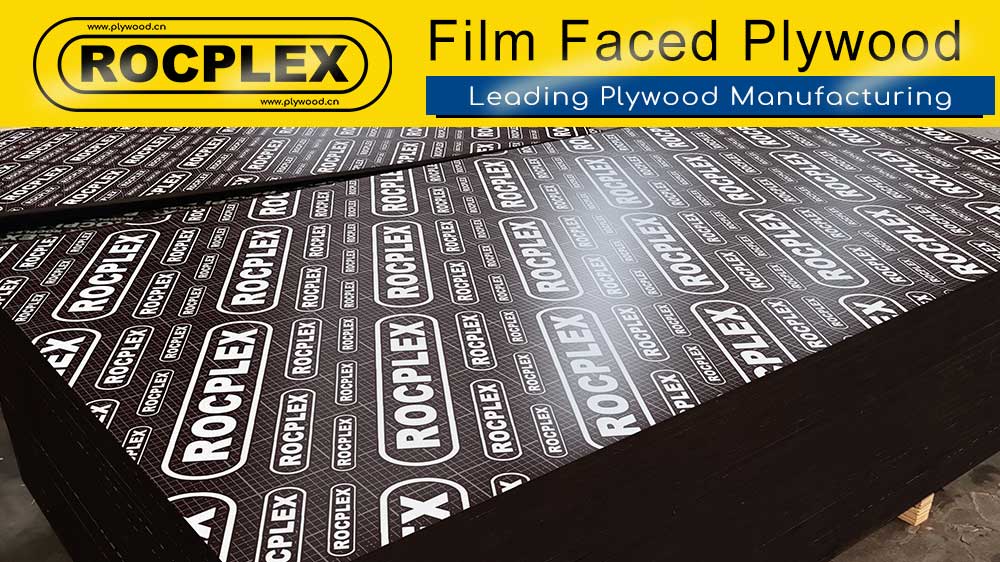
Key Features and Benefits of Concrete Shuttering Plywood
High Load-Bearing Capacity
This plywood is designed to withstand the pressure of wet concrete, preventing bending or deformation during the curing process. Its multi-layered construction ensures excellent strength, making it suitable for large construction sites.
Moisture and Water Resistance
Made with WBP glue and a protective film layer, this plywood resists moisture penetration. As a result, it stays more stable in damp conditions. Therefore, it suits prolonged use on construction sites, especially where panels face repeated wetting and drying cycles.
Smooth Surface for Quality Concrete Finishes
The film-faced surface reduces concrete adhesion, so panels strip cleanly after the pour. As a result, it helps limit surface defects such as tearing and pitting. In turn, you can achieve smoother, better-finished concrete. Therefore, many projects need less patching, grinding, or other post-pour surface treatment.
Lightweight and Easy to Work With
Compared to metal formwork, plywood is lightweight and easier to transport, cut, and install. It reduces labor costs and improves efficiency on-site.
Concrete Shuttering Plywood Cost-Effective and Reusable
With proper handling, concrete shuttering plywood can be reused multiple times. As a result, it reduces total material cost across the project. However, the actual reuse cycles depend on panel quality, thickness, and daily maintenance practices.
Chemical and Wear Resistance
The phenolic film adds protection against abrasion and common construction chemicals. As a result, the panel stays durable even in demanding job-site conditions.
Applications of Concrete Shuttering Plywood
Concrete shuttering plywood is widely used across many construction projects. In particular, its strength and durability make it suitable for a broad range of formwork applications. As a result, contractors rely on it for repeat pours and consistent site performance.
Slab Formwork
Shuttering plywood provides a stable base for casting concrete slabs. As a result, it helps produce a level, uniform surface. In addition, it spreads the load more evenly across the formwork system. Therefore, it reduces the risk of uneven settling and related surface defects.
Beam and Column Formwork
Structural beams and columns require strong formwork to maintain their precise shape. This plywood provides stability during concrete curing, ensuring accuracy in dimensions.
Wall and Retaining Structure Formwork
In vertical formwork, this plywood helps create straighter walls and cleaner retaining structures. In addition, its moisture resistance limits swelling. As a result, the panels stay more consistent during forming and pouring, which supports better alignment and finish quality.
Bridge and Infrastructure Construction
Large-scale infrastructure projects such as bridges and highways rely on shuttering plywood for shaping concrete structures. Its durability ensures consistent performance even in demanding environments.
Precast Concrete Production
In precast concrete production, shuttering plywood forms the molds for prefabricated elements. As a result, manufacturers can achieve more precise dimensions and cleaner surface finishes.
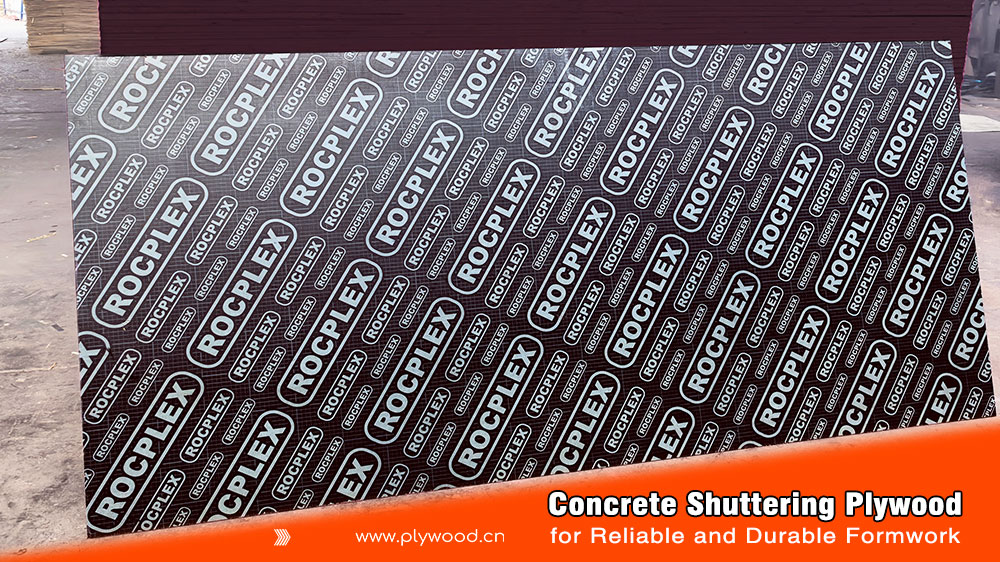
Concrete Shuttering Plywood vs. Regular Plywood
| Feature | Concrete Shuttering Plywood | Regular Plywood |
| Load Capacity | High | Moderate |
| Moisture Resistance | Excellent (WBP glue & film) | Low |
| Reusability | Multiple uses | Limited |
| Surface Finish | Smooth, non-stick | Rough texture |
| Cost | Higher initial cost | Lower cost |
Concrete shuttering plywood combines strong load performance with durability and solid value. As a result, many contractors prefer it for a wide range of formwork applications.
Standards and Certifications for Concrete Shuttering Plywood
To deliver consistent performance on site, concrete shuttering plywood should meet relevant industry standards and regulatory requirements. By meeting these benchmarks, you confirm baseline quality for bonding, strength, and moisture resistance. This means the panels stay more reliable across repeated pours and changing site conditions. As a result, the panels remain more durable and reliable across repeated pours and varied site conditions.
- IS 4990 – Defines strength and performance requirements for plywood used in shuttering applications.
- BS 1088 – Ensures plywood quality meets structural and safety standards.
- EN 13986 – Sets standards for wood-based panels used in construction.
- CE Certification – Confirms compliance with European safety and environmental regulations.
By following these standards, manufacturers guarantee that their products meet construction requirements worldwide.
How to Choose the Best Concrete Shuttering Plywood
Selecting high-quality concrete shuttering plywood is essential for durable, cost-efficient formwork. In practice, the right panel improves pour stability and reduces rework. However, performance depends on several key factors. Therefore, you should choose plywood that matches the site’s load, moisture exposure, and reuse requirements.
Core Quality and Veneer Composition
Plywood strength depends heavily on veneer quality and core construction. In particular, a high-density core with minimal gaps improves stiffness and durability. As a result, the panel resists bending under load. Therefore, choosing plywood with fewer core voids can increase load-bearing capacity and extend service life.
Concrete Shuttering Plywood Adhesive Type and Bonding Strength
For longer service life, choose concrete shuttering plywood bonded with WBP (Water and Boil-Proof) glue. This helps improve moisture resistance and reduce the risk of delamination on wet or humid sites. Because WBP glue resists moisture, it helps prevent delamination in damp conditions. As a result, the panel maintains better structural integrity during repeated pours and wet-site exposure.
Surface Coating and Protective Layer
A phenolic film-faced surface adds protection against water, abrasion, and common site chemicals. At the same time, the smooth film reduces concrete adhesion, so formwork strips more easily. This helps deliver cleaner concrete finishes and can reduce the need for patching or extra refinishing.
Load-Bearing Capacity and Thickness
Different formwork applications require specific plywood thicknesses. Standard options range from 12mm to 18mm. In general, thicker sheets provide stronger structural support and more reuse potential. Therefore, they are often the better choice for heavy-duty projects.
Reusability and Cost-Effectiveness
The ability to reuse plywood multiple times significantly impacts project costs. High-quality shuttering plywood supports multiple reuses while maintaining stable performance. In turn, contractors can reduce replacement frequency and lower total formwork cost, making it a cost-efficient investment.
Compliance with Industry Standards
It is essential to confirm the plywood meets recognized standards such as IS 4990, BS 1088, and EN 13986. By choosing certified panels, you verify baseline requirements for quality and consistency. As a result, you gain more dependable strength, durability, and site safety across formwork applications.
Best Practices for Handling and Maintenance
Proper handling and regular maintenance can extend the service life of concrete shuttering plywood and increase reuse cycles. In addition, good site practices help protect the film face and edges from early damage. As a result, you maintain more consistent performance over time and reduce overall formwork cost.
Before Use
- Apply a release agent to prevent concrete from sticking to the plywood surface.
- Inspect plywood sheets for cracks, gaps, or damage before installation.
- Seal exposed edges with waterproof paint to prevent water absorption.
During Use
- Use adequate support to prevent bending under heavy concrete loads.
- Avoid exceeding the recommended weight capacity to maintain structural integrity.
- Ensure even placement to distribute weight evenly across the plywood surface.
Concrete Shuttering Plywood After Use
- Clean the plywood surface immediately after stripping the formwork.
- Store plywood sheets in a dry, covered area to prevent exposure to moisture.
- Repair minor cracks using waterproof sealants to extend usability.
Environmental Impact and Sustainability of Concrete Shuttering Plywood
Sustainability is a growing focus in the construction industry. Concrete shuttering plywood supports eco-friendly building practices when sourced responsibly and used efficiently.
Sustainable Wood Sourcing
Many manufacturers use FSC-certified wood to promote responsible forest management and minimize environmental impact.
Waste Reduction Through Reusability
Durable shuttering plywood can be reused multiple times, reducing wood consumption and construction waste. This helps lower costs and supports sustainable building initiatives.
Eco-Friendly Manufacturing Practices
Modern plywood production processes use low-emission adhesives and energy-efficient machinery, minimizing carbon footprints.
Concrete Shuttering Plywood Recycling and Repurposing
At the end of its life cycle, shuttering plywood can be repurposed into particle board, furniture, or wood-based fuel, further reducing landfill waste.
Market Trends and Demand for Concrete Shuttering Plywood
The demand for high-performance concrete shuttering plywood is increasing due to rapid infrastructure development and growing sustainability concerns. Several key market trends are driving demand:
- Growth in Infrastructure Projects: Governments and private sectors are investing in large-scale projects such as bridges, highways, and high-rise buildings, increasing the need for durable formwork solutions.
- Preference for Lightweight and Reusable Formwork: Contractors favor plywood over metal alternatives due to its ease of handling, affordability, and multiple reuses.
- Increased Use of Film-Faced Plywood: Phenolic-coated plywood is gaining popularity due to its durability and ability to withstand harsh conditions.
- Sustainable Construction Practices: Builders are prioritizing FSC-certified and eco-friendly plywood to comply with environmental regulations.
Top Manufacturers and Suppliers of Concrete Shuttering Plywood
Several leading manufacturers supply high-quality concrete shuttering plywood for construction projects worldwide. Some of the top brands include:
- ROCPLEX– Specializes in film-faced plywood with superior durability and reusability.
- WISA Plywood– Produces premium-grade plywood for formwork applications.
- Greenply Industries– Offers moisture-resistant plywood designed for heavy-duty construction.
- Peri Group– Supplies plywood for complex infrastructure projects requiring high strength and longevity.
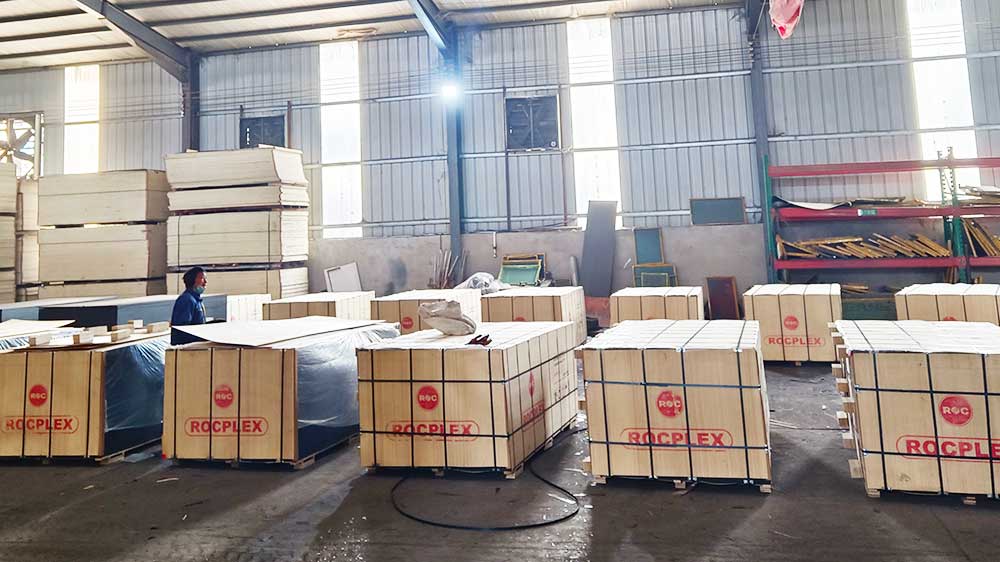
Concrete Shuttering Plywood for Reliable and Durable Formwork
Concrete shuttering plywood is a fundamental component in construction, offering strength, moisture resistance, and cost-effectiveness. Its ability to withstand heavy loads while ensuring smooth concrete finishes makes it an ideal choice for formwork applications. By selecting high-quality plywood, maintaining proper handling practices, and ensuring compliance with industry standards, contractors can maximize efficiency and achieve long-term value in their construction projects.
Post time: Mar-22-2025