

What You Need to Know About Film Faced Plywood
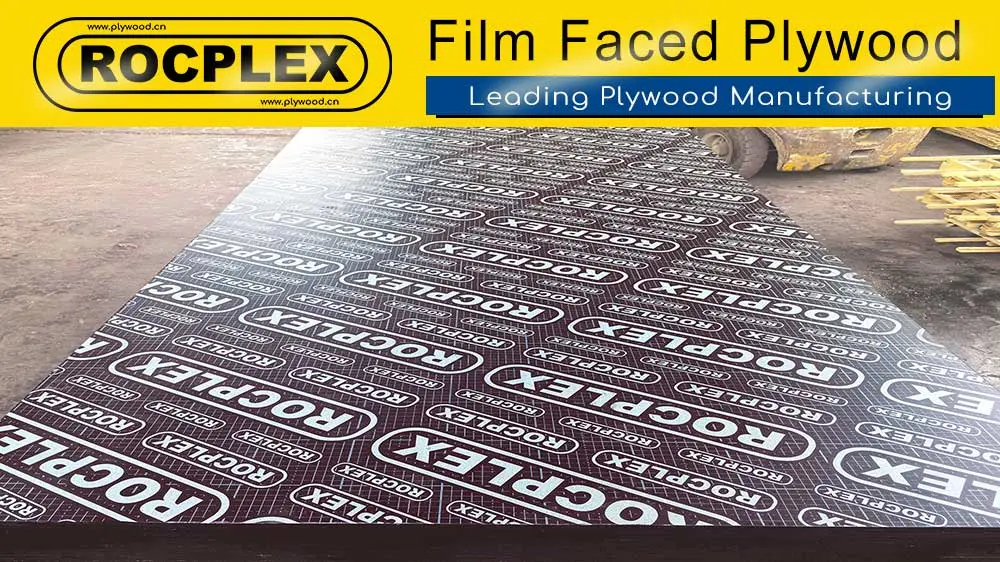
Film faced plywood appears on construction sites constantly. This material has become standard for concrete work. But what actually makes it work? Let me explain based on years of field experience.
I remember my first project using film faced plywood. The foreman showed me the difference from regular plywood. That was years ago. I have used it extensively since then. Here is what I have learned.
The Film Facing Explained

The film is not just a coating. It bonds to the plywood during manufacture. Phenolic resin creates this bond. The result is a surface that water simply cannot penetrate.
Regular plywood soaks up water like a sponge. That leads to swelling, warping, and eventual failure. The film barrier prevents all of that. That is the fundamental advantage.
Different Film Weights
Not all film facing is equal. The weight or thickness matters for different applications. Heavier films last longer. Lighter films cost less.
For projects expecting many uses, heavier film makes sense. The extra cost per sheet spreads across more pours. For single-use applications, lighter film provides adequate performance.
Why Contractors Choose Film Faced Plywood
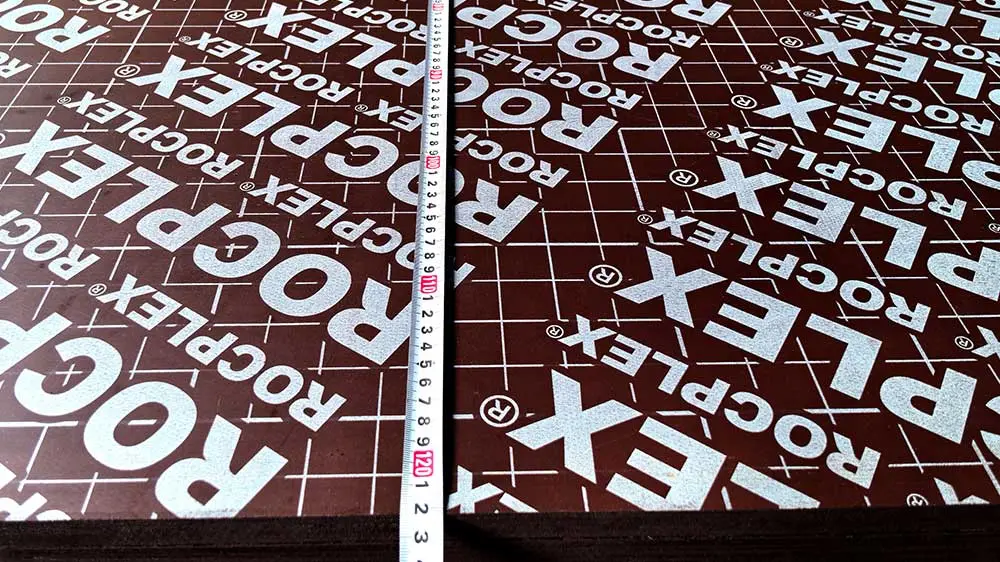
Let me walk through the practical benefits contractors experience.
Multiple Uses Reality
The reuse potential is real. With proper care, film faced plywood delivers 20 to 30 uses. Sometimes more. That transforms the economics of formwork.
When I explain this to project managers, they immediately see the value. The initial cost is higher than some alternatives. But the cost per use tells a different story.
Concrete Finish Quality
The smooth film surface produces excellent concrete finish. That reduces or eliminates remedial work. Labor savings can be substantial on large pours.
Architectural concrete work particularly benefits. The surface quality achieved with film faced plywood meets demanding specifications.
Cleaning Made Easier
Concrete does not stick to the film surface like regular wood. Cleaning between uses takes minutes rather than hours. This efficiency matters on busy sites.
Simple water hosing usually suffices. stubborn spots might need mild scrubbing. The film tolerates this treatment well.
Selecting Appropriate Film Faced Plywood
Not all products perform equally. Smart buyers consider several factors.
Core Construction
The wood beneath the film matters as much as the film itself. Poplar cores offer light weight. Hardwood cores provide more strength. The application determines which suits better.
Poplar works well for standard applications. Hardwood makes sense for heavy-duty requirements.
Glue Type
WBP glue stands for Weather and Boil Proof. This handles wet conditions without failing. For concrete work, WBP is standard. Some products use MR glue for interior applications.
Always verify glue type matches intended use.
Film Weight Specifications
Specifications typically list film weight in grams per square meter. 120g is common for standard work. 220g or higher handles heavy-duty applications.
Match film weight to your reuse expectations. The investment in heavier film pays returns through extended service life.
Proper Storage and Handling
Getting maximum value requires appropriate care.
Storage Before Use
Keep stored plywood flat. Use supports every 600mm to prevent sagging. Cover to protect from rain while allowing air circulation.
Proper storage prevents problems before the first use.
Release Agent Application
Applying release agent correctly affects both concrete finish and formwork life. Too little causes sticking. Too much creates surface blemishes.
Professional applicators develop a feel for proper coverage. The goal is complete coverage without excess.
Care Between Uses
Remove concrete residue promptly. The longer it sits, the harder it becomes to remove. A scraper and water usually suffice. Avoid metal tools that scratch the film.
Minor scratches do not necessarily require replacement. They affect appearance more than performance. Significant damage, however, compromises the sheet.
The Supplier Relationship
Where you buy affects what you receive.
Consistency Matters
Working with suppliers who maintain consistent products builds reliability into your planning. You know what to expect from order to order.
ROCPLY has built this consistency over years. Contractors know their orders will perform as expected.
Technical Support Value
Good suppliers provide more than products. They offer guidance on selection, handling, and troubleshooting. This support proves valuable when questions arise.
ROCPLY technical staff understand applications. They can advise on specific project requirements.
Making Decisions for Your Project
Film faced plywood is an investment in project success. The choice affects both immediate performance and long-term costs.
Consider the full picture rather than just initial price. Cost per use often works out better with quality products. The reliability matters for project scheduling too.
Discuss your specific needs with knowledgeable suppliers. They help match products to applications. That conversation leads to better outcomes.
Film faced plywood has earned its place in modern construction. The benefits are real and measurable. Making informed choices about this material helps projects succeed.
Post time: Mar-11-2026