

How to Extend Reuse Cycles in Concrete Formwork
Film faced plywood reuse is one of the main cost drivers in concrete formwork projects.
In practice, buyers do not only compare sheet prices. Instead, they focus on how many pours a panel can complete before replacement.
For this reason, reuse performance matters more than the initial purchase cost.
When handled correctly, film faced plywood can deliver stable results across many cycles.
However, when basic routines are ignored, panel life drops fast.
This guide explains how reuse really works.
More importantly, it shows how simple site actions can extend panel life and reduce overall formwork cost.
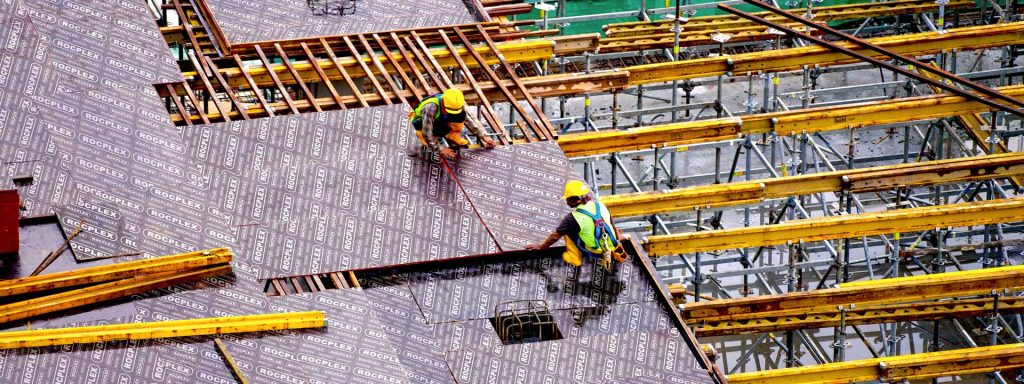
Why Film Faced Plywood Reuse Matters More Than Sheet Price
At first glance, plywood is often treated as a consumable item.
However, over time, reuse cycles define the true cost per pour.
For example, a panel used 40 times costs far less per pour than a cheaper panel used only 15 times.
As a result, experienced contractors always ask about reuse expectations.
In most projects, reuse depends on four main factors:
- Panel surface condition
- Bonding reliability
- Edge protection
- Daily site handling
Each factor can be controlled.
Therefore, reuse is not a slogan. It is a process.
Typical Film Faced Plywood Reuse Range in Concrete Formwork
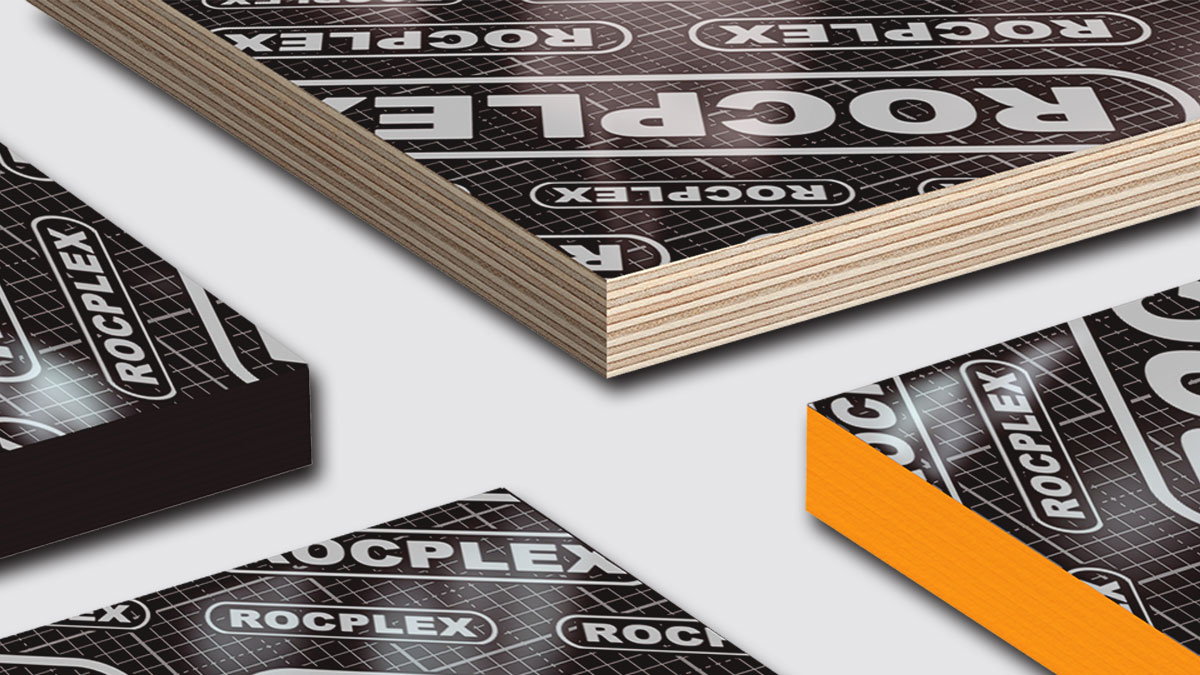
Under normal site conditions, film faced plywood reuse often falls between 20 and 80 cycles.
That range may sound wide. However, it reflects real differences in handling and care.
In general:
- Basic handling delivers 20–30 uses
- Controlled routines reach 40–60 uses
- Strict care programs can exceed 70 uses
Importantly, these numbers are not marketing claims.
They reflect what happens on active concrete sites.
How Surface Care Affects Phenolic Film Plywood Reuse Cycles
First of all, the film surface controls release quality.
A clean surface reduces sticking and prevents concrete buildup.
Therefore, panels should be cleaned after each pour.
Even light residue can reduce future release quality.
In addition, avoid scraping with metal tools.
Sharp edges damage the film and expose the core.
Instead, use:
- Plastic scrapers
- Soft brushes
- Low-pressure water cleaning
Over time, this simple habit protects the surface and supports longer reuse.
Release Agents and Their Impact on Shuttering Plywood Reuse
Release agents play a key role in film faced plywood reuse.
However, misuse often causes more harm than good.
For best results:
- Apply a thin, even layer
- Avoid pooling or excess oil
- Use agents compatible with phenolic film
Moreover, always clean old release residue before reapplication.
Otherwise, layers build up and attract dirt.
As a result, correct release use improves surface life and concrete finish at the same time.
Storage Practices That Improve Formwork Plywood Reuse
Storage is often overlooked.
However, poor storage can ruin panels before the next pour.
To protect reuse potential:
- Store panels flat
- Keep them off the ground
- Cover from sun and rain
In addition, avoid leaning panels for long periods.
Bending during storage can cause permanent shape changes.
When stored correctly, panels remain flat and predictable across cycles.
Edge Protection and Its Role in Concrete Formwork Panel Reuse
In most cases, edges fail before the panel face.
Water enters through exposed edges and weakens the core.
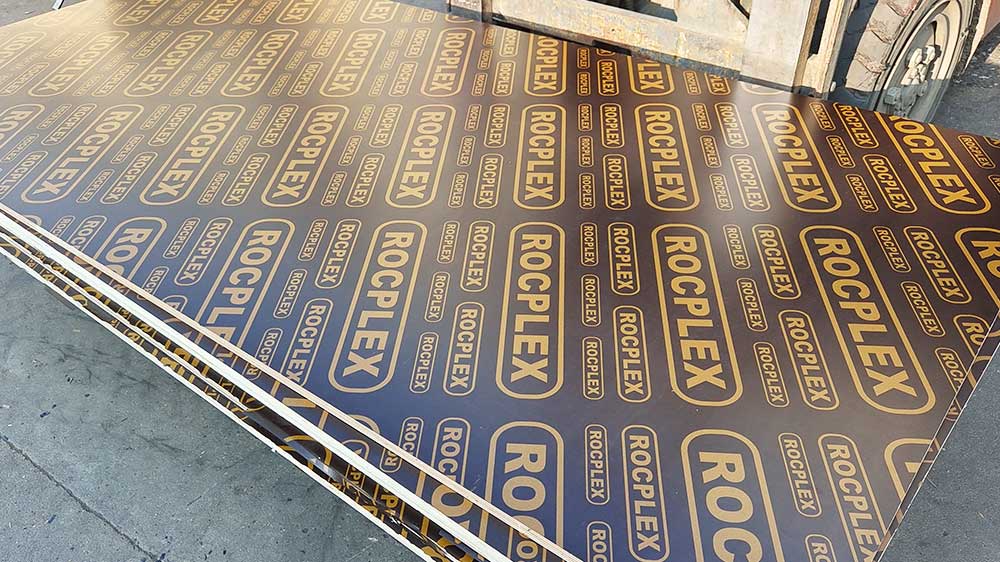
For this reason, edge sealing is critical.
Best practice includes:
- Sealing cut edges immediately
- Reapplying sealant after trimming
- Using multiple coating layers
Over time, sealed edges reduce swelling and delamination.
As a result, reuse cycles increase without changing the panel itself.
Handling and Stripping Methods That Extend Plywood Reuse
Handling damage is one of the most common causes of early failure.
Therefore, proper stripping methods matter.
During stripping:
- Lift panels evenly
- Avoid prying with steel bars
- Protect corners from impact
In addition, dragging panels across concrete causes surface wear.
Instead, lift and place panels carefully.
Although these steps may seem basic, they make a clear difference over time.
Repairing Film Faced Plywood to Extend Reuse Cycles
Not all damage requires panel replacement.
In fact, minor repairs can add several more cycles.
Common repairs include:
- Resealing small edge chips
- Cleaning hardened concrete spots
- Light surface touch-up
However, structural cracks or core swelling should not be ignored.
Once core integrity is lost, reuse becomes unpredictable.
Common Reasons Film Faced Plywood Reuse Drops Too Fast
When reuse cycles fall below expectations, the cause is usually clear.
Most failures come from:
- Poor cleaning routines
- No edge resealing
- Incorrect release agent use
- Standing water on panels
By addressing these issues early, most sites can double reuse performance without changing suppliers.
Matching Panel Specification to Reuse Goals
Reuse also depends on selecting the right panel specification.
For example:
- Higher film weight supports longer surface life
- Reliable bonding prevents early delamination
- Stable core construction reduces warping
Therefore, buyers should match panel grade to project demands.
A high-rise core wall requires different expectations than a short-term slab pour.
Film Faced Plywood Reuse and Cost Per Pour
Ultimately, reuse determines cost efficiency.
When calculating cost per pour, include:
- Purchase price
- Expected reuse cycles
- Replacement rate
- Handling time
In many cases, a panel with a higher upfront price delivers lower total cost over the project life.
Final Tips for Buyers and Site Managers
To summarize, film faced plywood reuse improves when routines stay consistent.
Key takeaways:
- Clean panels after every pour
- Protect edges and corners
- Store panels correctly
- Use release agents properly
- Train crews on handling basics
When these steps are followed, reuse becomes predictable.
As a result, projects stay on schedule and material waste drops.
Reuse Is a System, Not a Claim
Film faced plywood reuse does not depend on one feature alone.
Instead, it reflects how the panel, the site, and the crew work together.
By focusing on routine care and simple controls, buyers can achieve stable reuse cycles and better cost control.
For projects that rely on repeat pours, reuse performance should always guide panel selection and site practice.
References and Further Reading
- EN 314-2 plywood bonding standards
- Concrete formwork handling guides
- FSC® forest certification resources
For more information about certified sourcing, visit FSC to learn about sustainable plywood certification.
Related Resources
Final Note for Buyers
Film faced plywood reuse is not guesswork.
It is the result of clear routines and consistent care.
When storage, release, and edge protection work together, reuse becomes predictable.
That predictability is what professional buyers value most.
This guide may be referenced or quoted for educational and industry use.
Post time: Jan-12-2026