

Film faced plywood is one of the fastest ways to improve concrete formwork output. It helps crews strike forms cleanly, reduces patch work, and keeps cycles moving. Most importantly, film faced plywood supports a smoother concrete face when the panel, spacing, and release routine are aligned.
For wholesalers and contractors, the real target is cost per pour. A cheaper sheet can cost more when it swells, chips, or sticks. In contrast, film faced plywood that stays flat and releases well can reduce labour, reduce waste, and keep your pour schedule stable.
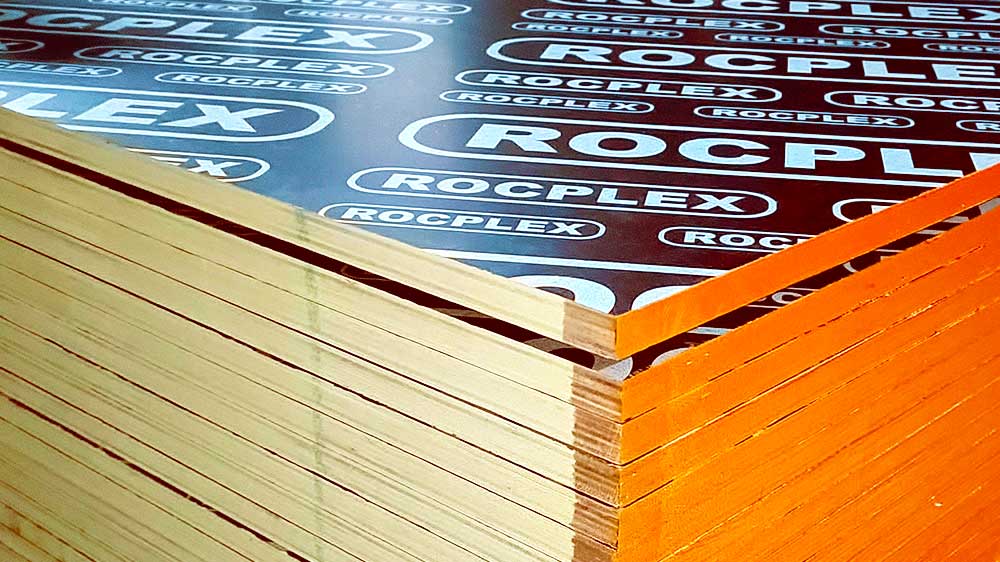
What film faced plywood is (and why formwork crews trust it)
Film faced plywood is a formwork plywood panel with a resin film on the face. That film reduces water uptake and helps resist cement paste. As a result, concrete release is easier, and cleanup time usually drops.
However, the face film is only one part of the story. Core build, bonding level, and edge sealing decide how long shuttering plywood lasts on site. Therefore, buyers should assess film faced plywood by repeat cycles, not by one clean sample sheet.
If you are comparing product types, start with the formwork plywood range to see how film faced panels, plastic faced panels, and other options fit different job routines.
Film face plywood specifications that affect real reuse
Most formwork failures start at the edges or the bond line. That is why smart buyers lock down the specs that protect panel life. For film faced plywood, the most practical checkpoints are film quality, bonding level, edge sealing, and thickness tolerance.
- Face: a hard phenolic film faced plywood surface supports cleaner release and slower face wear.
- Bonding: WBP-type bonding helps the panel handle wet concrete routines.
- Edges: sealed edges help slow water entry, especially after repeated handling.
- Thickness and flatness: stable sheets help joints close and reduce paste leakage.
For a practical RFQ checklist, you can reference the Film Face Plywood Buyer Guide 2025, then match the spec to your forming method and cycle targets.
Where film coated plywood performs best in concrete formwork
Film faced plywood is widely used for slab and wall forming where surface finish and speed matter. In addition, it works well in beam, column, and stair forms when joint lines stay tight and panels are supported correctly.
- slab and deck formwork panels for repeat pours
- wall and column shuttering where paste leakage must stay low
- beams, stairs, and core forms that need stable corners
- special forming work where a cleaner finish reduces disputes
Panel performance also depends on the support system. For example, a consistent beam layout helps panels stay flatter under load. If you run slab programs, see Slab H20 Beams as a common support solution used with formwork plywood sheets.
Common film face plywood pain points (and fixes that work)
1) Edge swelling and paste leakage in shuttering plywood
Edges fail first on many sites. Once water enters, the sheet can swell, joints open, and paste leaks. Choose film faced plywood with strong edge sealing, then reseal any cut edges the same day. Also store packs flat and off the ground so water cannot wick into the core.
2) Concrete sticking and slow stripping
When the face is damaged or dirty, concrete can stick and stripping slows down. Use a light, even release coat and clean panels after each pour. Avoid metal scraping that cuts the film. With steady care, phenolic film faced plywood can keep a cleaner face for longer.
3) Core gaps and early cracking
Core voids can create weak zones near supports. Therefore, avoid over-spanning and do quick receiving checks on random packs. If your routine is rough and you want a harder wear surface, compare your standard film faced plywood to Xlife Formwork Plywood to see if it fits your cycle and handling style.
Why ROCPLEX film coated plywood is specified for repeat cycles
Consistency matters more than one “perfect” sheet. ROCPLEX focuses on stable build control so buyers can reorder with confidence and keep programs predictable. That includes face control, bonding discipline, and edge protection designed for wet concrete routines.
For buyers who want a clear product reference, start here: ROCPLEX Film Faced Plywood. If you also use coated three-layer panels on parts of the job, consider the 3-ply shuttering panel option for fast handling and stable alignment in everyday forming work.
If you want to understand how cycles change total cost, this internal guide is useful: Triply panel cost and reuse cycles. It reinforces the same principle: cost per pour wins, not sheet price alone.
Film face plywood handling that protects cost per pour
Even premium formwork plywood can fail early if storage is poor. On the other hand, average film faced plywood can perform well when teams follow a simple routine.
- Store flat: keep stacks level, supported, and protected from standing water.
- Oil lightly: apply release agent thin and even; more is not better.
- Clean gently: use plastic tools and avoid cutting the film.
- Repair early: patch small face damage and reseal exposed wood before it spreads.
- Rotate panels: alternate working faces so wear stays balanced.
For quick answers that sales teams and site leads often ask, link your readers to Formwork Products FAQs so they can confirm basics without leaving your site flow.
Receiving checks for film face plywood shipments
A short inspection on arrival protects your margin. For film faced plywood loads, check random packs, not only the top sheets.
- confirm sheet count and pack labels match paperwork
- measure thickness on corners and center across multiple sheets
- inspect face film for bubbles, open seams, or damage
- confirm edge sealing coverage and corner condition
- open one sample edge to check for obvious core gaps
If you manage mixed formwork materials, you can also guide readers to Formwork Building Materials to show how panels, beams, and related items fit one program.

U.S. and EU references buyers use with film face plywood specs
When your customers buy in the U.S. or Europe, they often prefer familiar reference points. APA publishes guidance on concrete form panels. In addition, NIST administers PS 1 for structural plywood in the U.S. For EU trade context, CPR frames how construction products are marketed and documented.
- APA: Concrete Form Panels (U.S.)
- NIST: Voluntary Product Standard PS 1-22 (U.S.)
- European Commission: Construction Products Regulation (EU CPR)
- WPIF PanelGuide (Europe/UK)
FAQs about film faced plywood for concrete forming
Is film faced plywood waterproof?
Film faced plywood is designed to resist moisture during forming. Still, edges and handling decide the real outcome. Seal cuts fast, store flat, and avoid soaking packs on the ground.
How many reuses can I expect from formwork plywood sheets?
Reuse depends on spacing, vibration, stripping method, and care. Clean release, sealed edges, and stable bonding are the main drivers that protect cycles.
What should I include in a bulk order request?
Share sheet size, thickness, face type, cycle target, packing needs, and destination port. Also list any documentation needs so the supplier can match the right paperwork.
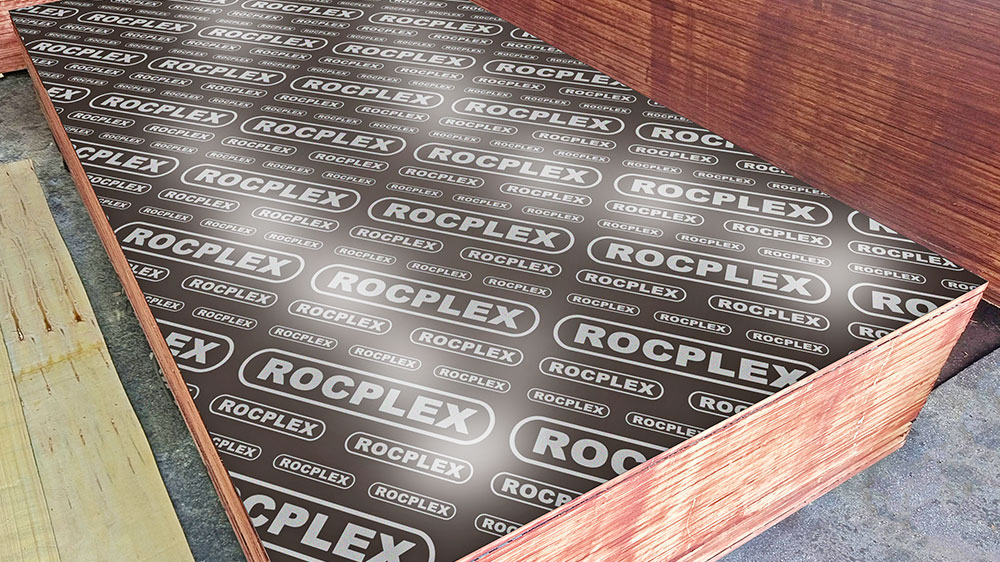
Source ROCPLEX film faced plywood for stable pour cycles
If you need film faced plywood in bulk, consistency across containers is the fastest way to protect schedules and cost per pour. Review ROCPLEX global reach to understand supply scope, then request a quote with your key specs and delivery plan.
Post time: Jul-20-2024