

Understanding Filmfaced Plywood
Filmfaced plywood, also known as shuttering plywood or concrete plywood, is a high-quality material. Builders widely use it in construction because it lasts longer. Manufacturers bond multiple thin wood veneer layers to make the panel. They use a waterproof adhesive to hold the layers together. They then coat the surface with a resin-impregnated film. This process creates a strong, stable, and water-resistant product. It is ideal for use in concrete formwork and other demanding construction applications.
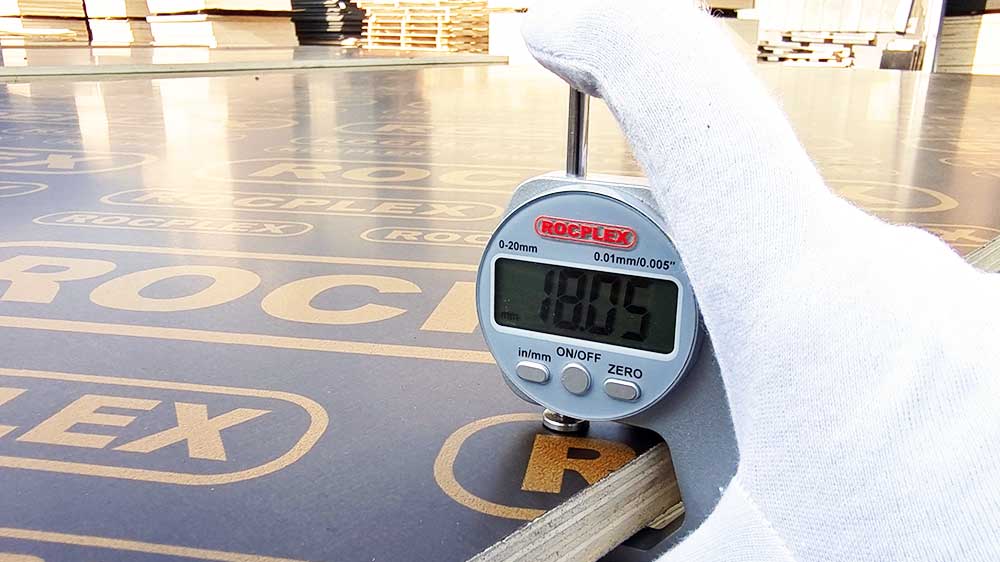
Filmfaced plywood is known for its smooth finish. This ensures that the concrete surfaces it molds have a clean, professional appearance. The plywood is resistant to moisture and harsh weather conditions. This makes it suitable for outdoor use. It can handle repeated wet-and-dry cycles while keeping its shape and strength. In addition, the panels are easy to cut, fix, and handle on site. For these reasons, film faced plywood remains a preferred choice for builders and contractors worldwide.
Types of Filmfaced Plywood
Standard Film faced Plywood
Standard film faced plywood suits many construction projects. Manufacturers typically use hardwood veneers and coat both sides with a phenolic or melamine film for added protection and a smoother face. This makes it suitable for general formwork and shuttering, offering a reliable and cost-effective way to produce clean, smooth concrete surfaces.
The phenolic film gives the plywood a hard, wear-resistant surface that helps protect it from impact, abrasion, and many common jobsite chemicals. In addition, suppliers offer standard phenolic plywood in a wide range of thicknesses and sheet sizes, so buyers can match the panel to the required load capacity, span, and formwork design.
High-Density Filmfaced Plywood
High-density film faced plywood suits heavy-duty jobs that need extra strength and longer wear life. Manufacturers use denser hardwood veneers and a thicker phenolic film, which improves impact and abrasion resistance. As a result, the panels hold up better under higher loads and repeated reuse on demanding sites. Because of this stronger build, contractors often choose it for high-rise formwork, bridge decks, and other large infrastructure projects where panels face higher loads and repeated reuse.
The high-density construction helps the plywood withstand the pressure of wet concrete without bending or warping. As a result, it remains a reliable option for complex, demanding formwork where precision, tight tolerances, and stable panels are critical.
Marine Grade Filmfaced Plywood
Marine grade film faced plywood suits wet environments where water and moisture create constant risks. Manufacturers select hardwood veneers and bond them with waterproof adhesives. They then coat the panel with a marine-grade phenolic film. This type of plywood is highly resistant to water, making it suitable for use in marine construction, coastal buildings, and other wet environments.
Builders often use marine grade film faced plywood when panels must handle prolonged moisture exposure. Its superior water resistance ensures that it remains stable and durable even in the harshest conditions, making it a valuable material for both marine and land-based construction projects.
Innovations in Filmfaced Plywood
Enhanced Coatings
Recent advances in coating technology have improved film faced plywood surface performance. Enhanced coatings add protection against abrasion, chemical exposure, and UV radiation, which helps panels last longer and perform more consistently in harsh environments.
Manufacturers apply enhanced coatings with advanced processes. These processes create a uniform, durable finish. These coatings not only improve the plywood’s resistance to wear and tear but also enhance its aesthetic appeal, making it suitable for both functional and decorative applications.
Lightweight Filmfaced Plywood
Innovations in materials and manufacturing processes have led to the creation of lightweight filmfaced plywood. This type of plywood is made using lighter wood veneers. Advanced bonding techniques reduce its overall weight. Despite being lighter, it does not compromise on strength or durability. Lightweight film face plywood is easier to handle and transport. This makes it an ideal choice for projects where ease of installation is a priority.
The reduced weight of lightweight filmfaced plywood also makes it suitable for use in applications where weight savings are important, such as in the construction of temporary structures, scaffolding, and other portable installations. Despite its lighter weight, this plywood retains the same high-quality finish and performance characteristics as standard filmfaced plywood.
Benefits of Filmfaced Plywood
Durability
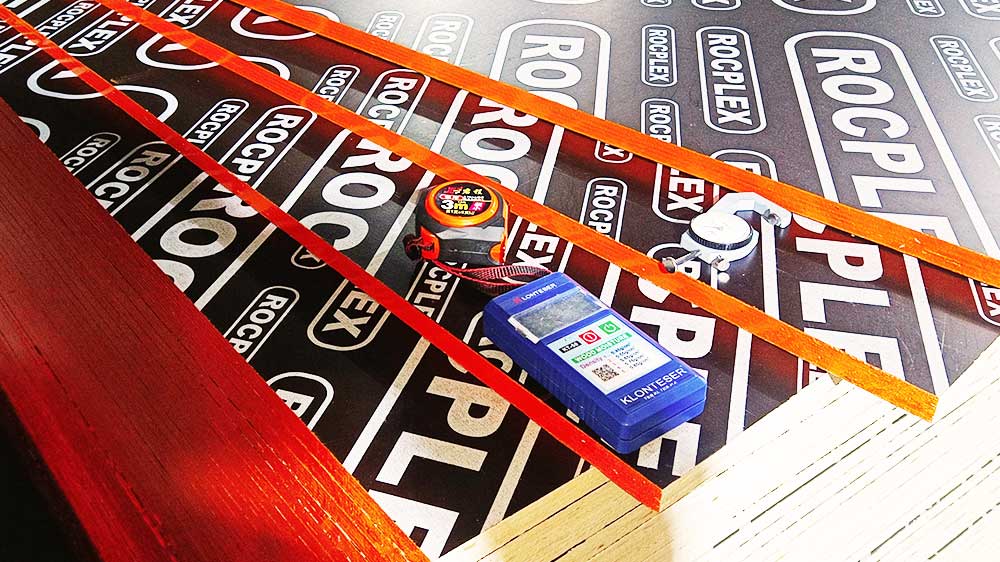
Filmfaced plywood is highly durable and resistant to mechanical damage, moisture, and chemical corrosion. This makes it suitable for use in a wide range of construction applications, including formwork, shuttering, and scaffolding. Its long lifespan and ability to withstand harsh conditions make it a cost-effective choice for builders and contractors.
Film faced plywood can last through many reuse cycles, so crews can move the same panels from one pour to the next and even across different projects. This reduces the need for frequent replacement, cuts waste, and helps lower overall material consumption. As a result, it supports more sustainable construction practices while also improving cost control.
Versatility
Film faced plywood suits many applications. It helps crews create smooth concrete finishes. It also provides structural support for temporary buildings and scaffolding. Crews can cut, shape, and drill it with standard tools. This easy workability helps teams adapt panels to different formwork layouts and meet varied site requirements efficiently.
Film faced plywood works for both interior and exterior use. This flexibility helps it meet many project requirements. It also offers a smooth surface finish. As a result, builders can use it for decorative work that needs a clean, high-quality look.
High-Quality Finish
The smooth, resin-impregnated film on the surface of filmfaced plywood ensures that the concrete surfaces it molds have a clean, professional finish. This reduces the need for additional surface treatments and improves the overall quality of the construction project.
The high-quality finish provided by waterproof plywood enhances the aesthetic appeal of concrete structures, making them suitable for use in high-profile projects where appearance is important. This quality finish also reduces the need for post-construction repairs and maintenance, saving time and costs.
Applications of Film Faced Plywood
Formwork and Shuttering
Builders widely use film faced plywood for formwork and shuttering. It helps crews produce smooth, accurate concrete surfaces. Its durability and high-quality finish make it an ideal material for this purpose, ensuring that the concrete forms are stable and reliable.
The use of construction plywood in formwork and shuttering streamlines the construction process. It reduces the time and labor needed to create concrete molds. The smooth surface helps prevent concrete from sticking to the formwork. As a result, crews can strip the panels more easily and reuse them with less cleanup and surface damage.
Scaffolding
In addition to formwork, waterproof plywood is used in scaffolding systems to provide structural support and stability. Its strength and resistance to moisture make it suitable for use in temporary structures that need to withstand varying weather conditions.
Filmfaced plywood is often used in scaffolding platforms and decking, where its durability and slip-resistant surface provide a safe working environment for construction workers. Its ability to support heavy loads ensures that scaffolding systems are stable and secure.
Marine Construction
Marine grade film faced plywood suits marine construction where constant water and moisture create higher risks. Builders often use it for boats, docks, and other waterfront structures that demand strong water resistance and long-term durability.
Marine grade film face plywood offers strong water resistance, so it stays stable and maintains strength even in wet conditions. This makes it a dependable option for coastal and marine environments where standard plywood is more likely to swell, delaminate, or lose performance over time.
Challenges in Film Faced Plywood
Cost Considerations
While film faced plywood offers many benefits, it can be more expensive than traditional plywood. Contractors must weigh the initial costs against the long-term savings and efficiency gains that filmfaced plywood provides.
The higher cost of construction plywood can be a barrier for some projects, particularly smaller-scale ones with limited budgets. However, the durability and reusability of this material often justify the initial investment, providing long-term value for construction projects.
Availability
The availability of high-quality film faced plywood can vary by region and supplier. For this reason, securing a consistent supply is essential to protect project timelines and maintain consistent quality standards across pours and phases.
Contractors must work with reliable suppliers to ensure that they have access to the necessary quantities of phenolic plywood for their projects. Establishing strong relationships with suppliers can help mitigate availability issues and ensure that construction projects proceed smoothly.
Future Trends in Film Faced Plywood
Sustainable Materials
The construction industry is placing greater focus on sustainability, and this trend will continue to influence film faced plywood development. As a result, innovations in materials and manufacturing—such as lower-emission resins, better production efficiency, and higher resource utilization—are likely to expand the range of more eco-friendly film faced plywood options.
Manufacturers can make sustainable film faced plywood with recycled materials and more eco-friendly adhesives. This approach reduces the environmental impact of construction activities. The use of sustainable materials also supports the industry’s efforts to achieve green building certifications and meet regulatory requirements.
Advanced Coatings
Advanced coating development will further improve waterproof plywood performance and durability. These coatings can provide additional protection against UV radiation, chemical damage, and mechanical wear, extending the lifespan of the plywood and improving its overall performance.
Manufacturers apply advanced coatings with cutting-edge technologies. These technologies create a uniform, durable finish. These coatings can also enhance the aesthetic appeal of filmfaced plywood, making it suitable for both functional and decorative applications.
Smart Plywood
The integration of smart technologies into construction plywood is an emerging trend that could improve quality control and formwork asset management. In early concepts and pilot uses, manufacturers can embed sensors in panels or mount monitoring modules on formwork systems. These tools can deliver real-time data—such as moisture exposure, temperature history, deflection, impact events, and reuse cycles—so teams can plan maintenance, improve safety checks, and optimize site processes with more accurate information.
Smart plywood can monitor various parameters. These include moisture levels, temperature, and structural integrity. The data provides valuable insights to optimize construction processes. It also helps improve safety. This technology enables remote monitoring and management of construction projects. It enhances efficiency and reduces the need for on-site inspections.
FAQs About Film Faced Plywood
Q: What is filmfaced plywood?
A: Film faced plywood is a durable panel made by bonding wood veneers with a water-resistant adhesive, then covering the faces with a resin-impregnated film. This film creates a smooth, tough surface that resists moisture and wear, which is why builders often use it for concrete formwork and other demanding site applications.
Q: What are the types of filmfaced plywood?
A: Types of filmfaced plywood include standard filmfaced plywood, high-density filmfaced plywood, and marine grade filmfaced plywood.
Q: How is filmfaced plywood used in construction?
A: Builders use film faced plywood for formwork and shuttering, scaffolding platforms, and some marine or waterfront construction. It helps crews achieve smooth, accurate concrete finishes and provides reliable support when panels are specified and installed correctly.
Q: What are the benefits of filmfaced plywood?
A: Key benefits include strong durability, broad versatility, and a consistent surface that helps deliver smooth concrete finishes. Because the face stays cleaner and more uniform, it can also reduce patching and other follow-up work after stripping the form.
Q: What are the challenges of using filmfaced plywood?
A: Challenges include higher costs compared to traditional plywood and ensuring consistent availability from reliable suppliers.
Q: What are the future trends in filmfaced plywood?
A: Future trends include the development of sustainable materials, advanced coatings, and the integration of smart technologies to enhance performance and durability.
Film faced plywood Revolutionizes Construction Projects
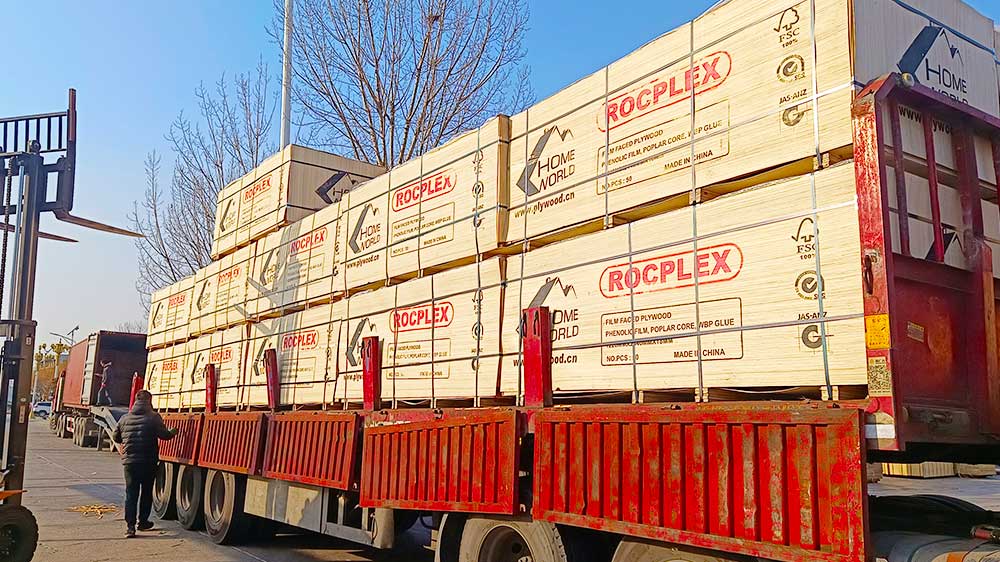
Filmfaced plywood plays a crucial role in the construction industry. It offers a durable, versatile, and high-quality solution for various applications. Ongoing innovations and advancements continue to improve this material. Film faced plywood is becoming even more integral to modern construction practices. It drives efficiency, safety, and sustainability in the industry.
Post time: Oct-08-2024