

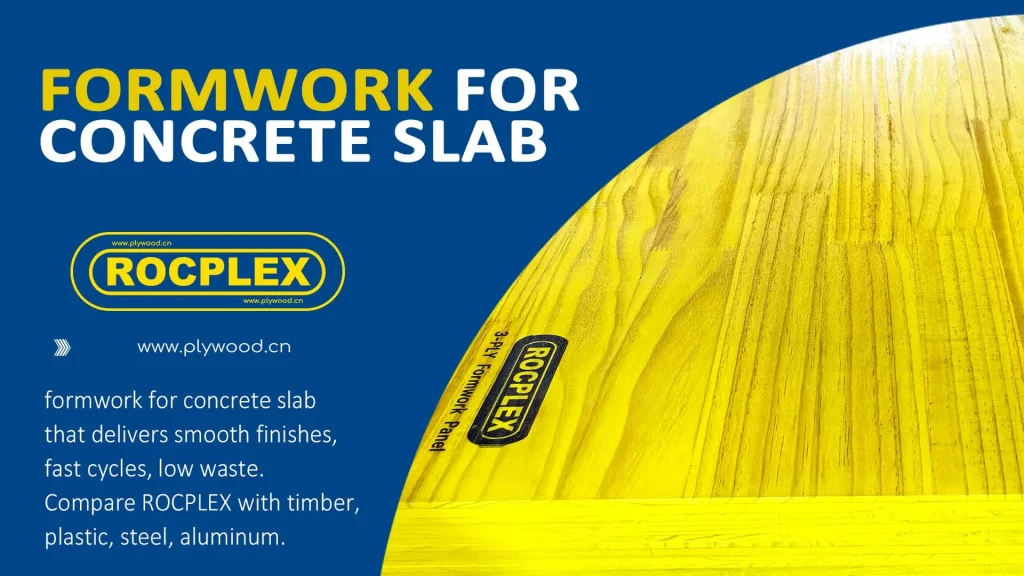
Formwork for concrete slab is a fundamental aspect of any concrete construction project. Whether you’re working on a residential foundation, commercial building, or industrial structure, selecting the right formwork system ensures the stability, strength, and longevity of your concrete slab. This article will explore the importance of formwork, the best materials for concrete slabs, and why ROCPLEX 3 Ply Yellow Formwork Panel is an optimal choice for contractors and builders.
What is Formwork for Concrete Slab?
Formwork is the temporary or permanent mold used to shape and support concrete while it hardens. For concrete slabs, formwork holds the freshly poured concrete in place, ensuring that it sets correctly. The quality of formwork directly influences the slab’s final strength, dimensional accuracy, and surface finish.
Choosing the right formwork material is essential. ROCPLEX film faced plywood offers superior strength and moisture resistance, making it an ideal material for formwork systems. The plywood’s smooth finish also guarantees a high-quality surface on the concrete once the formwork is removed.
Why Choosing the Right Formwork panel is Important
The formwork system for a concrete slab is critical for several reasons:
- Precision and Accuracy: Accurate formwork ensures that the slab maintains its intended dimensions and alignment.
- Structural Stability: Formwork must support the weight of the wet concrete without shifting, ensuring a stable slab once the concrete sets.
- Cost and Time Efficiency: High-quality formwork systems like ROCPLEX 3 Ply Yellow Formwork Panel reduce the need for rework, speeding up the overall construction process.
- Aesthetic Finish: The formwork material determines the smoothness and finish of the concrete surface. The smoother the formwork, the smoother the final slab.
Types of Formwork for Concrete
Several formwork systems are available, each suitable for different types of projects. Here are the most common types of formwork used in concrete slab construction:
1. Timber Formwork
Timber formwork is one of the most traditional and cost-effective methods for small to medium projects. It is easy to work with, but its durability is limited compared to other materials. Timber formwork requires more maintenance and might not be as reusable as steel or plastic alternatives.
2. Steel Formwork
Steel formwork is highly durable, making it ideal for large-scale projects. Because it is resistant to wear and tear, steel can withstand repeated use while maintaining a smooth, consistent finish. For this reason, it is commonly used in high-rise buildings and other commercial projects where precision and long-lasting performance are critical.
3. Aluminum Formwork
Aluminum formwork is lightweight and easy to handle, making it a popular choice for residential and commercial projects. Its strength and reusability make it an excellent option for high-volume projects, and it offers great precision during the slab-pouring process.
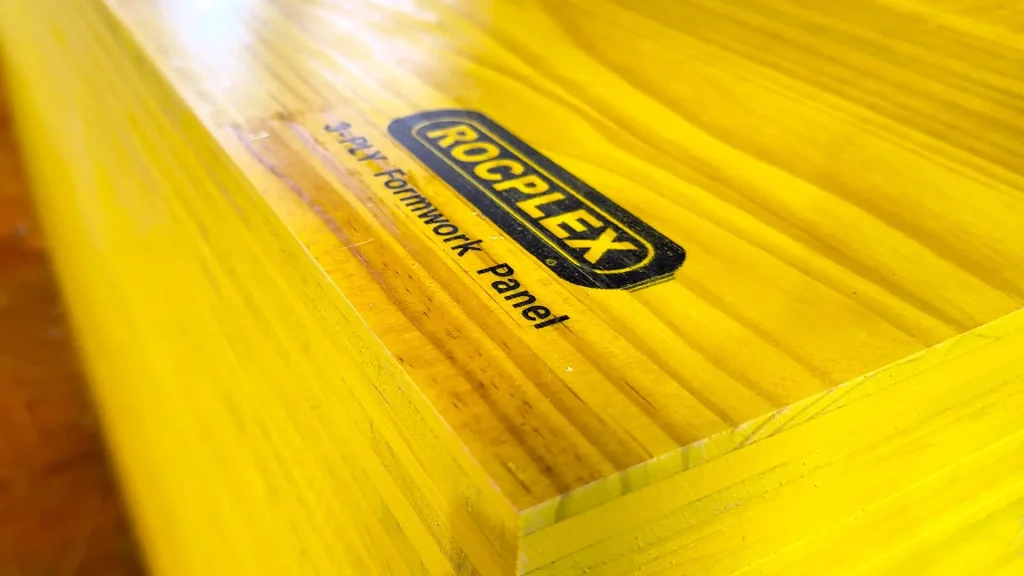
4. ROCPLEX 3 Ply Yellow Formwork Panel
ROCPLEX 3 Ply Yellow Formwork Panel is one of the best options for concrete slab formwork. It provides excellent structural support, offers moisture resistance, and ensures a smooth finish. The high-quality film-faced surface helps prevent the concrete from sticking, making it easier to remove the formwork without damage.
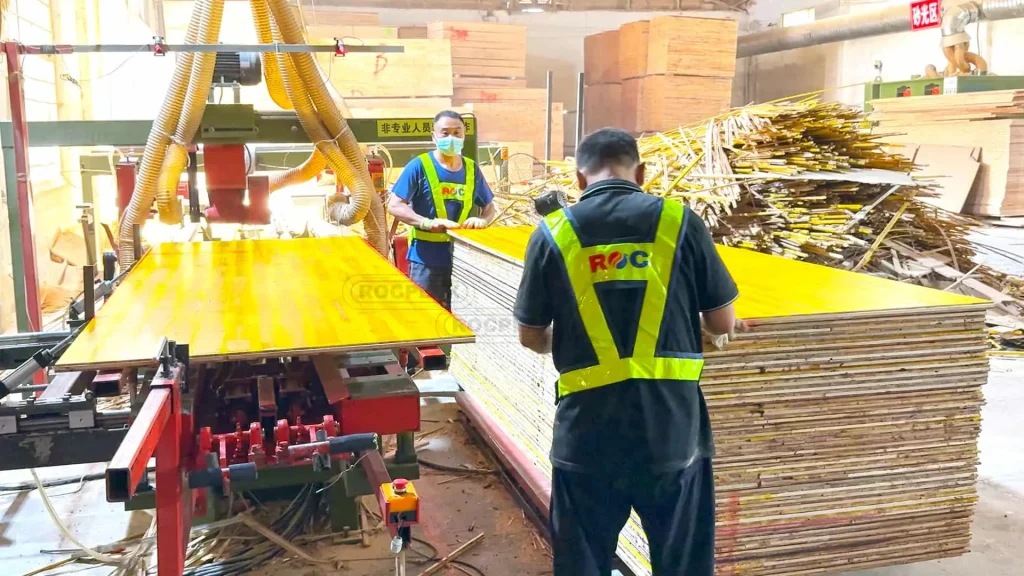
Why ROCPLEX 3 Ply Yellow Formwork Panels is the Best Choice for Formwork
There are numerous reasons why ROCPLEX 3 Ply Yellow Formwork Panel is a preferred material for concrete slab formwork:
1. Durability
ROCPLEX 3 Ply Yellow Formwork Panel is built to withstand the heavy pressure exerted by wet concrete without warping or deforming. This durability ensures that the formwork can support the concrete throughout the curing process, resulting in a high-quality slab.
2. Smooth Finish
The smooth surface of ROCPLEX 3 Ply Yellow Formwork Panel helps achieve a clean and polished concrete finish. This is especially important for projects where the slab will be visible or exposed to the elements, as it reduces the need for additional finishing work.
3. Moisture Resistance
One of the most significant benefits of ROCPLEX 3 Ply Yellow Formwork Panel is its resistance to moisture. The film-faced coating ensures that the plywood does not absorb water, which could otherwise affect the structural integrity of the formwork. This resistance also helps prevent the plywood from deteriorating over time, allowing it to be reused for multiple projects.
4. Reusability
ROCPLEX 3 Ply Yellow Formwork Panel can be used multiple times for different concrete slab projects, making it a cost-effective choice for contractors. Its durability means that it remains in excellent condition after multiple uses, reducing material waste and overall project costs.
5. Ease of Use
The light weight of ROCPLEX 3 Ply Yellow Formwork Panel makes it easy to transport and handle, speeding up the installation process and making the overall construction more efficient.
Best Practices for Installing Formwork for Concrete Slab
Installing formwork for concrete slab requires attention to detail and careful planning to ensure that the concrete slab is stable and properly formed. Here are some best practices to follow:
- Ensure Proper Alignment: The formwork must be accurately aligned to avoid dimensional discrepancies in the slab.
- Use Release Agents: A release agent should be applied to the formwork to prevent the concrete from sticking to the surface.
- Secure the Formwork: Reinforce the formwork to ensure it can handle the weight of the wet concrete without shifting or collapsing.
- Monitor the Weather: External factors such as temperature and humidity play a significant role in the curing process. Avoid pouring concrete in extreme weather conditions.
Common Issues with Formwork for Concrete and How to Solve Them
Some common challenges with formwork for concrete slabs include misalignment, leaks, and instability. However, using ROCPLEX film faced plywood can significantly reduce these issues. Its strong, stable nature ensures that the formwork stays in place during the pour, preventing misalignment and gaps.
- Misalignment: This can be caused by improperly set formwork, leading to uneven slabs. Properly aligning the formwork and securing it in place can avoid this issue.
- Leaks: Leaking formwork can cause defects in the slab’s surface. Ensuring the formwork is tightly sealed and using moisture-resistant plywood like ROCPLEX minimizes this risk.
- Instability: Formwork that shifts under the pressure of wet concrete can cause structural issues. Reinforcing the formwork and using high-quality materials ensures stability.
Choosing the Right Formwork for Your Concrete Slab
Selecting the best formwork for your project depends on several factors, including the scale of the project, budget, and required finish. ROCPLEX 3 Ply Yellow Formwork Panel is versatile enough for both small and large-scale projects. It provides the durability, stability, and smooth finish required for high-quality concrete slabs.
For more information about ROCPLEX 3 Ply Yellow Formwork Panel and how it can enhance your concrete slab formwork, visit our product page.
For further tips on best practices for formwork construction, read our guidelines.
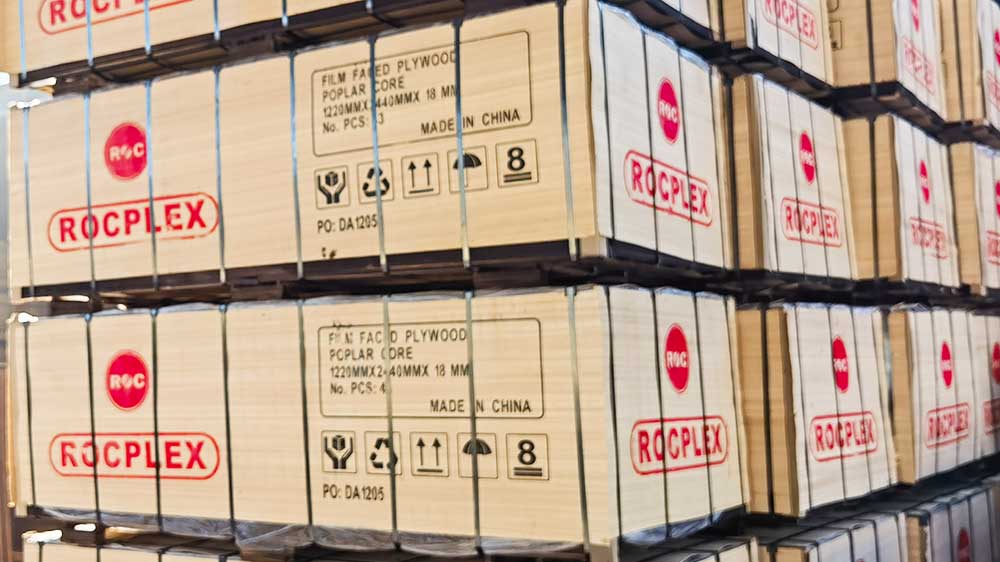
Building Strong Concrete Slabs with ROCPLEX
Choosing the right formwork for concrete slab is crucial to achieving durable and high-quality slabs. ROCPLEX film faced plywood provides the perfect balance of strength, smoothness, and moisture resistance, ensuring a successful concrete slab pour every time. With its cost-effectiveness and durability, ROCPLEX is the best choice for contractors looking to enhance their formwork systems.
Whether you are working on residential, commercial, or industrial projects, ROCPLEX plywood ensures that your concrete slab is structurally sound, well-formed, and aesthetically pleasing.
Post time: Feb-23-2026