

Formwork Panels At A Glance
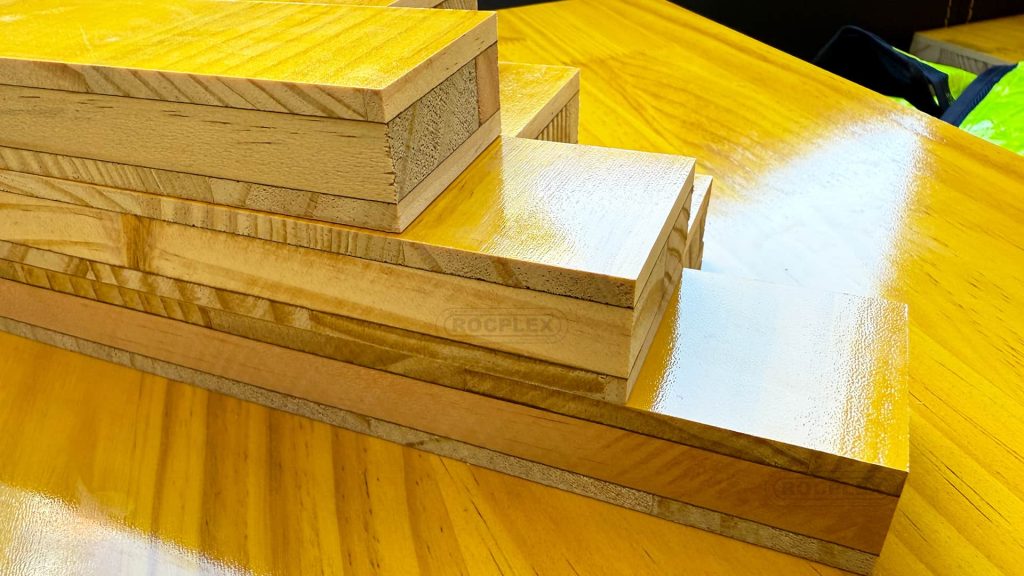
Time rules every pour. Consistency does too. Our panels balance both needs. Each formwork panels uses three bonded layers. The layup spreads stress across the face. Edges receive strong seal coats. Faces release cleanly with thin oil. Crews lift lighter sheets with ease. They set, lock, and strip faster. Schedules hold when handling stays simple.ROCPLEX controls every step. Veneer moisture stays in range. Glue spread remains uniform. Press cycles lock target thickness. We test bonds for wet strength. Labels show grade and batch data. Traceability builds trust for audits. Your team gets reliable product, every time.

Why ROCPLEX Formwork Panels Win
Results matter on site. So does support. We design for repeat cycles and clean faces. Our resin holds under humid weather. Face grading limits patches and voids. Edges resist paste and rain. Weight stays friendly for manual lifts.
Service completes the package. Engineers answer layout questions. We size pack counts for your zones. Care cards teach best practice. Edge-seal kits ship with pallets. Problems meet fast action, not delay. Partners stay because the work flows.
Film Faced Plywood Compared
Film faced plywood remains a staple. It offers tough surfaces and neat finishes. Weight can climb at thicker sizes. Cleaning may take longer after heavy paste. Edge damage can run into inner plies.
Three-layer wood sheets add agility. Crews trim with basic tools. Edge sealing repairs take minutes. Release oils spread evenly on wood faces. You cut openings without jigs. Teams move faster through resets.
Plastic Modular Systems Compared
Plastic resists water by nature. Washing feels easy after pours. Wide centers can allow flex and print. Heat may mark panels on hot days. Replacement modules can cost more.
Wood sheets hold shape on standard centers. Screws and clamps bite cleanly. Repairs stay simple and cheap. Mixed geometry favors fast trimming. You keep pace across changing layouts. Agility protects the schedule.
Aluminum Frames Compared
Aluminum feels light and stiff. Repeat floors move at speed. Upfront spend runs high for sets. Training time enters the budget. Custom modules can limit changes.
Hybrid plans often shine. Frames handle cores and lifts. Wood skins handle slabs and details. You cut openings in minutes. Existing walers and clamps still fit. Flexibility saves money when drawings shift.
Steel Panels Compared
Steel brings very flat faces. High pressure loads feel easy. Weight demands cranes or more hands. Repairs may require welding. Transport adds cost for long hauls.
Wood skins keep a human scale. Two people can carry a sheet. Small pours move without a crane. Crews stage, pour, and strip quickly. Many buyers see lower cost per pour. Steel still suits the heaviest zones. Use both where each excels.
LVL And H20 Tables With Panels
LVL and H20 beams carry slab tables. They need a deck skin. Film faced ply works, yet weight adds strain. Three-layer skins flip tables faster. Lower mass protects crews and edges. Damage repairs stay quick on site. Tables return to service the same shift.
Formwork Panels Price And Cost Per Pour Math
Ticket price does not tell the whole story. Labor and resets decide the winner. Start with unit price and expected reuses. Add crew hours for strip and clean. Include repair kits and swap time. Add freight per sheet and site waste. Compare options over the same area.
Wood usually wins on handling. Cleaning takes fewer minutes. Trims adapt to last-minute changes. That combination reduces overruns. You protect the budget and the calendar.
Cost per pour = (Sheet price ÷ reuses) + labor + cleaning + repair + freight + waste.
Finish Class And Surface Quality
Owners ask for smooth faces. Architects inspect visible zones. Face quality matters a lot. We grade faces with tight rules. Knots and patches stay within limits. Flatness holds across cycles. Release oils should go on thin. Even coats prevent paste burn. Clean storage keeps dust off faces. You then patch less and hand over sooner.
Formwork Panels Safety And Handling On Site
Handling weight links to strains and slips. Lower weight reduces both risks. Crews lift with better posture. Teams cover more area per shift. Overtime drops, and spirits rise.
Edges also influence safety. Sharp metal can cut gloves and skin. Thick plastic edges can snap under point load. Sealed wood edges feel kinder to hands. Standard saws and drills handle cuts. Hot works are not required for trims. Safety improves while speed climbs.
Moisture Control And Edge Sealing
Water challenges panels every day. Rain hits stacks between pours. Paste brings alkaline moisture to faces. Our resin resists both threats. Edge seal blocks entry at cuts. Good habits extend life.
Keep stacks on dunnage off the ground. Cover the top and allow side airflow. Wipe faces before oiling. Reseal every new cut the same day. Rotate sheets through zones. Spread wear to protect your fleet. These steps add cycles without extra spend.
Formwork Panel Sustainability And Certificates
Buyers ask about responsible wood. We track logs and veneers. Certificates are available on request. Wood stores carbon during service. Offcuts support site works and shims. Energy recovery offers options at end of life. Metals recycle well, yet need more energy to make. Plastics vary by market rules. Wood strikes a sound balance for projects.
People Also Ask About Formwork Panels
What Are The Main Panel Types?
Wood three-layer, film faced plywood, plastic, aluminum, and steel.
How Many Reuses Are Realistic?
Care defines the number. Thin oil, early cleaning, and dry storage help.
Which Panels Fit High Walls?
Steel and aluminum excel. Wood fits many walls with strong frames.
Are Formwork Panels Waterproof?
Edges resist water with seal coats. Storage and resealing make the difference.
What Sizes Are Common?
1220 × 2440 mm ships fast. Custom cuts match your drawings.
Which Release Agent Works Best?
Use products made for wood faces. Apply thin, even coats each time.
Formwork Panels Sizes, Thickness, And Tolerances
Projects differ by zone. So do sizes. We stock 1220 × 2440 mm sheets. Custom sets follow your drawings. Common thicknesses include 12, 15, 18, and 21 mm. Tolerances hold tight across batches. Labels show grade and batch numbers. Planning becomes simple for repeats.
Support spacing matters as well. Slabs often run 300–500 mm centers. Walls follow design loads and tie patterns. We share load tables on request. Data keeps guesses out of the plan.
Formwork Panels Comparison Matrix At A Glance
| Factor | Three-Layer Formwork (ROCPLEX) | Film Faced Plywood | Plastic Modular | Aluminum Frame | Steel Panel |
| Handling Weight | Light | Medium | Medium | Light | Very Heavy |
| Setup Speed | Fast | Medium | Fast on repeats | Very fast on repeats | Slow |
| Reuse Potential | High with care | High | Very high | Very high | Very high |
| Face Finish | Smooth, warm tone | Smooth | Smooth, cool tone | Flat, metallic | Very flat |
| Trim / Repair Ease | Easy with basic tools | Easy | Limited | Limited | Skilled work |
| Upfront Cost | Low | Low–Medium | Medium | High | High |
| Cost Per Pour | Low with care | Medium | Low on repeats | Low on repeats | Medium |
| Best Fit | Mixed geometry | General use | Repeat modules | High-rise cores | High pressure walls |
Formwork Panels Cost Per Pour Drivers That Matter
| Driver | Impact | Wood Three-Layer Approach |
| Crew Size | Labor hours define budgets | Lower weight reduces fatigue |
| Cleaning Time | Minutes stack across shifts | Soft scraper and quick wipe |
| Damage Rate | Hidden cost grows fast | Edge seal and fast patching |
| Reset Speed | Delays burn money | Manual lifts cut crane time |
| Transport | Mass drives freight | Lower weight saves fuel |
| Waste | Offcuts and rejects | Trim to fit and reseal |
| Release Agent | Finish and cycles | Thin, even coats only |
Buyer Checklist Before You Order
- Target finish class in each zone.
- Confirm support spacing and tie pattern.
- Set crew size and lift method.
- Choose a release agent and tools.
- Fix cleaning steps and timing.
- Plan dry storage and airflow.
- Estimate cycles by zone and weather.
- Stock edge-seal kits and spare sheets.
- Align delivery dates with pour windows.
- Request load tables and data sheets.
ROCPLEX Supply And Support
Supply must keep pace with pour dates. We ship core sizes fast. Custom packs follow approved drawings. Pallets arrive strapped, covered, and labeled. Each pack lists batch numbers. Fork pockets protect edges on lifts.
Support travels with every pallet. Our team replies fast with solutions. We help optimize zone counts and resets. Field feedback loops back into production. Quality stays tight across seasons. Your crew feels the difference on day one.
Where ROCPLEX Panels Create Extra Value
Low-rise slabs thrive on speed. Lighter sheets cut fatigue and overtime. Villas and townhouses change frequently. Quick trims keep tables moving. Bridges demand agility along the run. Access can be tight and uneven. Wood skins adapt without heavy gear. Repairs stay simple on the roadside.
Public-facing concrete requires neat faces. Our grading helps hold finish class. Thin oil and early cleaning reduce touch-ups. Punch lists shrink in length and time. Handover becomes calmer for all sides.
Formwork Panels In Mixed Systems
Pure systems rarely fit every zone. Hybrids often win the day. Use frames and steel for heavy cores. Use wood skins for slabs, beams, and details. The mix protects cost and speed. You match tool to task, pour by pour.
We help design the mix. Data shows where each system excels. Freight and labor complete the picture. Numbers beat hunches, every time.
Training And Care That Extend Life
Teach the basics to new hands. Wipe faces before oil. Apply thin coats only. Clean soon after the strip. Stack flat with fillets for airflow. Keep stacks off wet ground. Reseal edges the same day you cut. Rotate sheets across zones. Log cycles for each pack. Small habits defend big budgets.
Next Steps With ROCPLEX Formwork Panels
Send drawings, schedules, and target finishes. We will size a set that fits your plan. Expect clear pricing and reliable lead times. You’ll also receive care guides and fast replies. Above all, you get consistency on every pallet. ROCPLEX formwork panels help your crew pour faster with confidence.
Yellow Formwork Panel
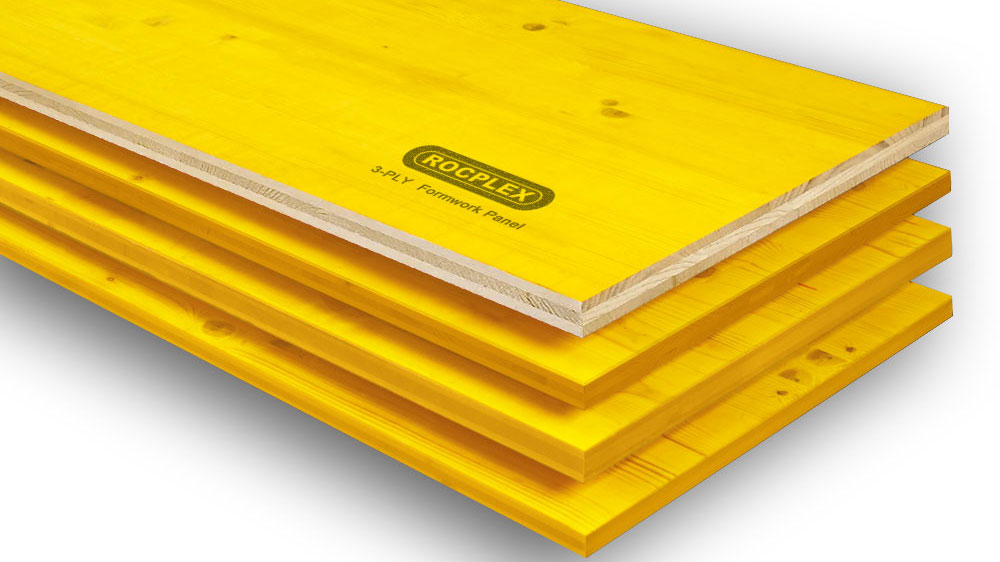
The Yellow Formwork Panel from ROCPLEX is designed for high durability and superior performance in concrete formwork applications. These panels are ideal for ensuring smooth, consistent results in construction projects. With their robust construction and quality materials, ROCPLEX Yellow Formwork Panels are the go-to choice for professionals seeking reliability and efficiency.
Post time: Dec-29-2025