

Top 10 Benefits of Using Formwork Timber
Formwork timber remains one of the most widely used materials for creating concrete molds in construction. Its versatility and ease of use make it a popular choice for builders. Here are the top 10 benefits of using formwork timber in construction projects.
1. Versatility in Applications
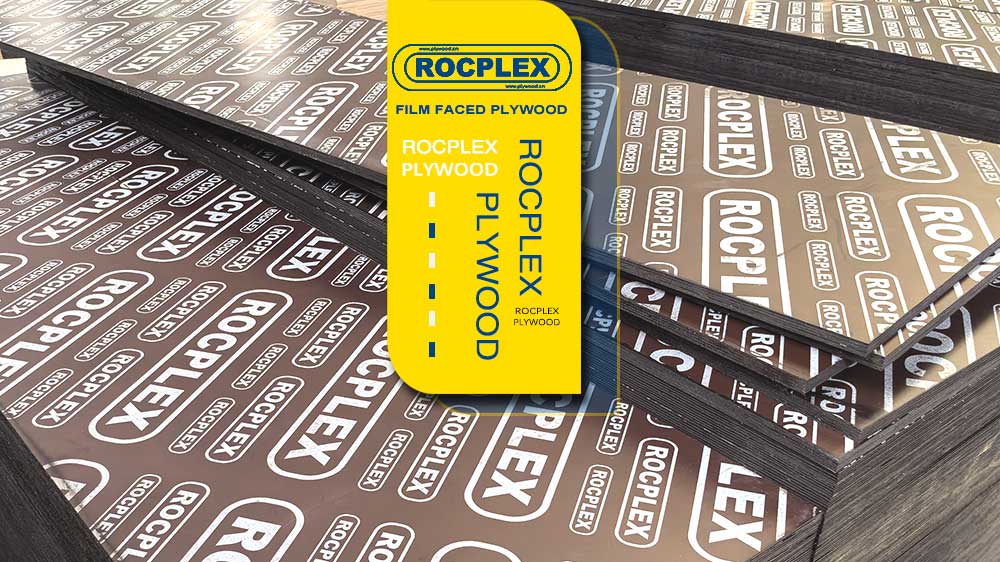
Construction teams use formwork timber across many project types, from residential buildings to commercial work. Its ability to adapt to different shapes and sizes makes it highly versatile, allowing builders to create molds for beams, columns, walls, and slabs. Whether it’s for a small residential project or a large-scale commercial building, formwork plywood is capable of meeting diverse construction needs.
2. Strength and Durability
One of the key benefits of formwork timber is its strength. Project teams typically choose formwork timber because it can carry the weight and pressure of wet concrete. This ensures that the mold retains its shape and supports the concrete until it gains sufficient strength. Formwork plywood lasts through many reuses, which makes it a cost-effective solution for contractors.
3. Ease of Handling and Installation
Formwork timber is easy to handle, cut, and assemble, making it a practical choice for construction projects. Unlike steel or plastic formwork, timber is lightweight, so teams can transport it easily and install it on-site. This ease of handling reduces labor costs and speeds up the construction process, allowing builders to complete projects more efficiently.
4. Cost-Effective Solution
Formwork plywood is often more affordable compared to other formwork materials like steel or aluminum. The cost-effectiveness of timber makes it a popular choice for builders who want to keep construction costs down without compromising on quality. In addition, formwork plywood adds value because teams can reuse it for multiple pours before they need to replace it.
5. Adaptability to Complex Shapes
Formwork timber adapts well to custom designs, so teams can modify it easily to create complex shapes and curves. This flexibility makes it ideal for projects that require intricate designs or non-standard shapes. Teams can cut and shape timber formwork to match specific project requirements. This flexibility helps contractors create unique architectural elements.
6. Reusability and Sustainability
Teams can reuse timber formwork many times, which makes it a more sustainable choice for construction projects. After each use, workers can clean the formwork and store it properly for the next job. This reusability reduces waste and helps minimize the environmental impact of construction activities. In addition, many suppliers source formwork timber from responsibly managed forests, which strengthens its environmental credentials.
7. Compatibility with Other Materials
Formwork plywood is compatible with a variety of other formwork materials, such as plywood and steel. This compatibility allows builders to create hybrid formwork systems that take advantage of the strengths of different materials. For example, teams can pair timber with plywood panels to create a smooth surface finish. They can also add steel reinforcements to increase strength when the design requires it.
8. Enhanced Safety on Construction Sites
Timber formwork weighs less than steel, so workers can handle it more easily and safely on construction sites. The reduced weight minimizes the risk of injuries during installation and dismantling, contributing to a safer work environment. Additionally, timber is less likely to cause injuries from sharp edges, which is a common concern with metal formwork.
9. Thermal Insulation Properties
Timber has natural thermal insulation properties that help regulate the temperature of wet concrete. This insulation can be particularly beneficial in extreme weather conditions, as it helps maintain the proper curing temperature for the concrete. Proper curing is essential for achieving the desired strength and durability of the finished structure.
10. Availability and Accessibility
Formwork timber is widely available through local suppliers, which makes it an accessible option for construction teams. The availability of timber in various regions means that builders can easily obtain the materials they need without facing supply chain delays. This accessibility helps ensure that construction projects stay on schedule.
Formwork Plywood vs. Steel Formwork
When it comes to choosing formwork materials, builders often compare formwork plywood to steel formwork. Both options have their advantages, but formwork timber offers unique benefits that make it a preferred choice for many projects.
Cost and Affordability
Formwork timber is generally more affordable than steel formwork. The lower cost of materials, combined with the ease of handling and installation, makes timber a cost-effective option for builders. Steel formwork, while durable, requires a larger initial investment and can be more expensive to transport and install.
Ease of Use and Installation
Formwork plywood is easier to work with compared to steel formwork. Timber can be cut, shaped, and assembled on-site, which allows teams to make adjustments as needed. Steel formwork, on the other hand, is heavier and requires specialized equipment for installation, which can increase labor costs and project timelines.
Adaptability to Design
Formwork timber is more adaptable to complex shapes and designs compared to steel. Workers can modify timber easily to form curves, angles, and other detailed shapes. This flexibility makes it ideal for projects with unique architectural features. Steel formwork, while strong, is less flexible and may require custom fabrication for non-standard designs.
Types of Formwork Timber
There are several types of formwork timber available, each offering distinct features and benefits. Understanding the differences between these types can help builders choose the best option for their project.
1. Softwood Formwork Timber
Softwood formwork plywood, such as pine or fir, is common in construction because it is lightweight and easy to handle. It also costs less than many hardwood options, which helps control the budget. In addition, workers can cut and shape softwood panels quickly to fit the layout and pour schedule. For that reason, it suits smaller projects or jobs where the formwork will only be reused a few times.
2. Hardwood Formwork Timber
Hardwood formwork timber is more durable than softwood and can withstand multiple uses without significant wear. Hardwoods, such as oak or mahogany, offer higher strength and better damage resistance. As a result, they suit larger projects and formwork systems that require many reuses. The increased durability of hardwood formwork makes it a cost-effective option for long-term use.
3. Plywood Panels
Construction teams often combine plywood panels with formwork plywood to achieve a smooth concrete finish. Manufacturers glue thin wood veneers in layers to create plywood that stays strong and flexible. Site teams typically fix the panels to timber frames, which adds support and helps the concrete face stay flat and clean.
FAQs About Formwork Timber
Q: What is formwork timber used for?
A: Formwork timber creates temporary molds that hold wet concrete in place until it sets and gains strength.
Q: How does formwork timber compare to steel formwork?
A: Formwork timber is more affordable, easier to handle, and adaptable to complex shapes compared to steel formwork.
Q: Can formwork timber be reused?
A: Yes, contractors can reuse formwork timber many times. This reuse lowers costs and supports more sustainable construction practices.
Q: What types of wood are used for formwork timber?
A: Common types of wood used for formwork timber include softwoods like pine and fir, as well as hardwoods like oak.
Q: Is formwork timber suitable for all types of construction?
A: Yes, formwork timber is suitable for various types of construction, including residential, commercial, and infrastructure projects.
Post time: Jan-05-2025