

Introduction to Phenolic Coated Plywood
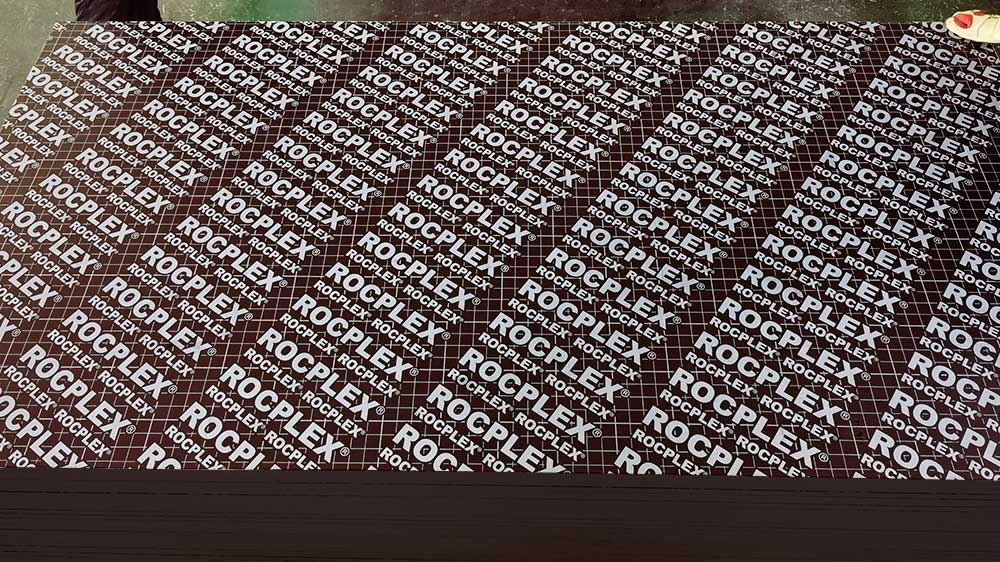
Builders widely use phenolic coated plywood as a high-performance material in the construction industry. It consists of multiple layers of thin wood veneers bonded together with phenolic resin. This coating provides the plywood with exceptional resistance to moisture, chemicals, and wear, making it ideal for various demanding applications. Whether used in building frameworks, industrial settings, or furniture manufacturing, phenolic coated plywood stands out for its durability and versatility.
Understanding Phenolic Coated Plywood
What is Phenolic Coated Plywood?
Phenolic coated plywood is an engineered wood panel designed for high durability and strong resistance. To achieve this, producers bond several wood veneer layers with phenolic resin, a synthetic polymer. Because this resin creates a strong bond, it helps the panel resist moisture and many chemicals. In addition, the phenolic coating forms a hard, smooth surface, so the plywood performs better across a wide range of applications.
Builders value this plywood type in demanding environments that require high strength and long-lasting durability. The phenolic coating not only protects the wood from external elements but also ensures a longer lifespan, reducing the need for frequent replacements. Its ability to withstand harsh conditions makes it an indispensable material in construction and industrial applications.
Benefits of Using Phenolic Coate Plywood
Superior Durability
Phenolic coated plywood is known for its strong durability. Because phenolic resin bonds the veneer layers tightly, it creates a solid and stable panel. As a result, the plywood can handle heavy loads and repeated impacts with less risk of warping or cracking. In practice, this strength highlights why it works well for construction and tough industrial use.
Phenolic coated plywood resists moisture and chemicals. This resistance further improves its durability. Unlike traditional plywood, it does not swell, delaminate, or degrade when exposed to water or harsh chemicals. This makes it a reliable choice for outdoor applications and areas with high humidity.
Versatility in Applications
One of the key advantages of formwork plywood is its versatility. Builders use it across many applications. It supports building frameworks, scaffolding, and industrial flooring. Furniture manufacturers also use it in production. Its strength and durability make it suitable for demanding environments, while its smooth surface ensures an attractive finish.
Crews can easily cut and shape phenolic coated plywood to meet each project’s specific requirements. Its adaptability makes it a preferred choice for builders and manufacturers looking for a reliable and versatile material. Whether used in construction, industrial settings, or interior design, film faced plywood delivers consistent performance and aesthetic appeal.
Types of Phenolic Faced Plywood
Standard Phenolic Plywood
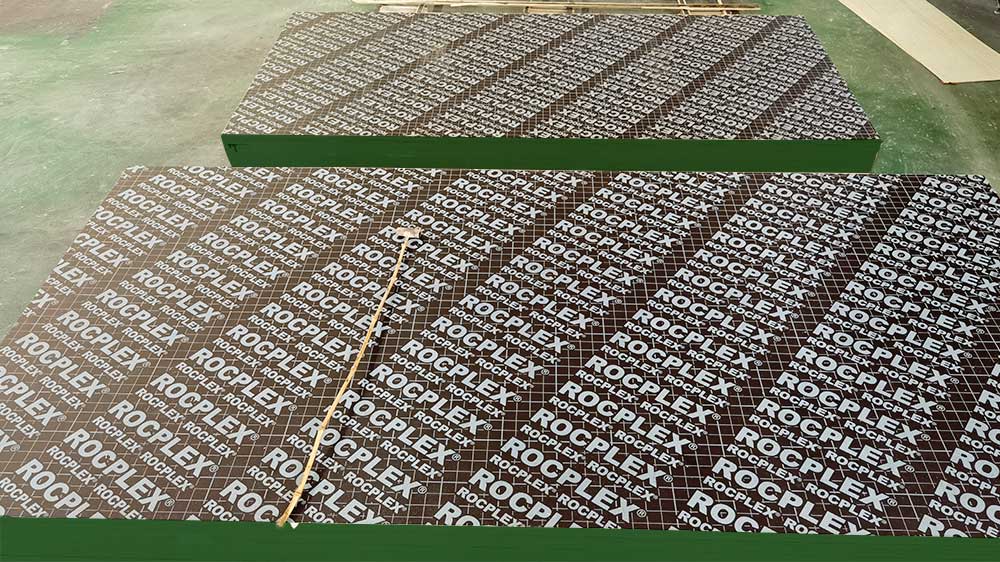
Builders and manufacturers most commonly use standard phenolic coated plywood in construction and industrial applications. It features a phenolic resin coating on both sides, providing a durable and moisture-resistant surface. This type of plywood is suitable for various uses, including building frameworks, concrete formwork, and scaffolding.
The standard phenolic coating ensures that the plywood can withstand harsh conditions and heavy loads. It also provides a smooth surface that is easy to clean and maintain. This makes standard phenolic coated plywood a practical and cost-effective choice for many applications.
Heavy-Duty Phenolic Coated Plywood
Heavy-duty phenolic coated plywood handles demanding jobs. It delivers extra strength and a longer service life. In many cases, it uses a thicker phenolic coating, and it may add reinforcement layers for higher load performance. As a result, it fits industrial flooring, transportation decks, and heavy machinery platforms.
Heavy-duty film faced plywood offers enhanced durability, so it performs well in high-wear environments. In addition, it resists moisture and many chemicals, which means the panel stays intact and keeps working even in harsh conditions. As a result, it is a reliable option for heavy-duty applications where long service life and steady performance are essential.
Applications of Phenolic Coate Plywood
Construction and Building Frameworks
In the construction industry, phenolic coated plywood is widely used for building frameworks and formwork. Its strength and durability make it ideal for supporting heavy loads and creating stable structures. The moisture resistance of film faced plywood ensures that it can withstand exposure to water and harsh weather conditions.
Phenolic coated plywood is also used in scaffolding and temporary structures. Its ability to withstand high loads and impacts makes it a safe and reliable choice for construction sites. The smooth surface of the plywood provides a clean finish, reducing the need for additional finishing work.
Industrial Applications
Phenolic coated plywood is commonly used in industrial settings for flooring, shelving, and machinery platforms. Its resistance to chemicals and moisture makes it suitable for environments where traditional materials would degrade. The durability of phenolic plywood ensures that it can withstand heavy use and provide long-lasting performance.
In industrial applications, construction plywood is valued for its strength and reliability. It can support heavy machinery and equipment without warping or breaking. The smooth surface of the plywood is easy to clean and maintain, making it a practical choice for industrial environments.
Furniture Manufacturing
Phenolic coated plywood is also used in furniture manufacturing for its strength and aesthetic appeal. The smooth surface of the plywood provides an attractive finish that is easy to work with. Its durability ensures that furniture made from phenolic plywood will have a long lifespan.
Furniture manufacturers use phenolic plywood for many products, including cabinets, tables, and shelving. They can cut and shape it easily, so it suits a wide range of furniture designs. The phenolic coating provides a hard, durable surface that is resistant to scratches and wear, ensuring that the furniture remains in good condition for years.
Installation and Maintenance
Proper Installation Techniques
To ensure the best performance of phenolic coated plywood, it is important to follow proper installation techniques. Crews should fasten the plywood securely to the supporting structure. They should also align it correctly. Proper installation helps prevent shifting or damage during use.
The installation of phenolic plywood involves using the correct tools and techniques. Attach the plywood firmly to the supporting framework to prevent movement and keep the form stable. Align the sheets carefully to create a smooth, even surface.
Maintenance and Care
Maintaining phenolic coated plywood involves regular cleaning and proper care. The phenolic coating provides a hard, smooth surface that is easy to clean. Regular maintenance helps keep the plywood in good condition and prolongs its lifespan.
Cleaning phenolic plywood is simple, because the smooth surface does not hold dirt easily. For routine care, wipe it with a damp cloth, or use a mild cleaning solution when needed. However, avoid harsh chemicals and abrasive pads, since they can scratch or weaken the phenolic coating. With proper care, the plywood stays in good condition and continues to perform well over time.
Environmental Impact
Sustainability of Phenolic Plywood
Phenolic coated plywood can be an environmentally friendly choice for construction and industrial use, especially when it comes from responsible sources. Because it is made from wood, it relies on a renewable resource. In addition, the panels can often be recovered and recycled at the end of their service life, so less waste goes to landfill. As a result, builders and manufacturers can reduce environmental impact while still using a strong, durable panel.
Using phenolic plywood can help reduce the environmental impact of construction and industrial projects, especially when it comes from responsible supply chains. First, many manufacturers source wood from sustainably managed forests, so the core material stays renewable. Next, after the panels reach the end of their service life, recyclers can recover and recycle them, which means less waste goes to landfill. As a result, this approach cuts waste and supports a more sustainable industry overall.
Reducing Waste and Emissions
Using phenolic coated plywood can help reduce waste and emissions in construction and industrial applications. The plywood can be reused multiple times, reducing the need for new materials. This helps minimize waste and lower the overall environmental impact of the project.
The reusability of phenolic plywood makes it a cost-effective and environmentally friendly choice. By reusing the plywood in multiple projects, builders and manufacturers can reduce the amount of waste generated and lower their environmental footprint. This contributes to a more sustainable industry and helps protect the environment.
Future Trends in Phenolic Coate Plywood
Innovations in Materials
The construction and industrial sectors keep evolving. Manufacturers continue to develop new materials that improve phenolic coated plywood performance. Innovations in adhesives and coatings are making plywood even more durable and resistant to environmental factors.
Manufacturers are developing new materials to improve phenolic coated plywood performance. For example, advanced adhesives can improve bond strength, while upgraded coatings add a stronger barrier against moisture and many chemicals. As a result, the plywood lasts longer and delivers more stable performance in demanding environments.
Increasing Sustainability
Sustainability is becoming a key focus in construction and industrial markets. As a result, manufacturers are developing more eco-friendly phenolic coated plywood. For example, they use more renewable materials and improve sourcing practices where possible. In addition, many companies are building recycling and take-back programs, so panels create less waste at the end of their service life.
Construction and industrial markets are paying more attention to sustainability. Because of this, many companies are developing more sustainable phenolic coated plywood. For example, they use more renewable materials and improve sourcing choices. In addition, they build recycling and take-back programs, so fewer panels become waste after use. As a result, projects can reduce their environmental impact and support a more sustainable industry overall.
Phenolic Coated Plywood FAQs
Q: What is phenolic faced plywood?
A: Manufacturers make phenolic coated plywood by bonding wood veneer layers with phenolic resin. This engineered panel delivers high durability and strong resistance.
Q: What are the benefits of using phenolic coate plywood?
A: It offers superior durability, resistance to moisture and chemicals, and versatility in applications, making it ideal for construction and industrial uses.
Q: What types of phenolic plywood are available?
A: Common types include standard phenolic plywood and heavy-duty phenolic coated plywood.
Q: How is phenolic plywood used in construction?
A: Builders use it for building frameworks, scaffolding, and formwork. It provides strong, stable support for concrete structures.
Q: What maintenance does phenolic plywood require?
A: Regular cleaning and proper care are essential to maintain its performance and prolong its lifespan. The phenolic coating makes it easy to clean and maintain.
Q: How does phenolic coate plywood contribute to sustainability?
A: Manufacturers use renewable wood resources, and recyclers can recycle the panels after use. This approach reduces waste and environmental impact.
Phenolic Coated Plywood: Revolutionizing Construction
Phenolic coated plywood is a high-performance material that revolutionizes the construction and industrial industries. Its superior durability, resistance to moisture and chemicals, and versatility make it a valuable tool for builders and manufacturers. By understanding the benefits and applications of formwork plywood, professionals can make informed decisions and create high-quality, sustainable structures.
Post time: Sep-16-2024