

What is Phenolic Resin Plywood?
Phenolic resin plywood is an engineered wood panel for heavy-duty construction tasks, including concrete formwork. Manufacturers bond multiple wood veneer layers with phenolic resin to make it. This synthetic polymer greatly enhances water resistance, strength, and durability. Each veneer layer is placed at a 90-degree angle to the one below it. This cross-laminated structure adds stability to the plywood. It also helps prevent warping or cracking over time.
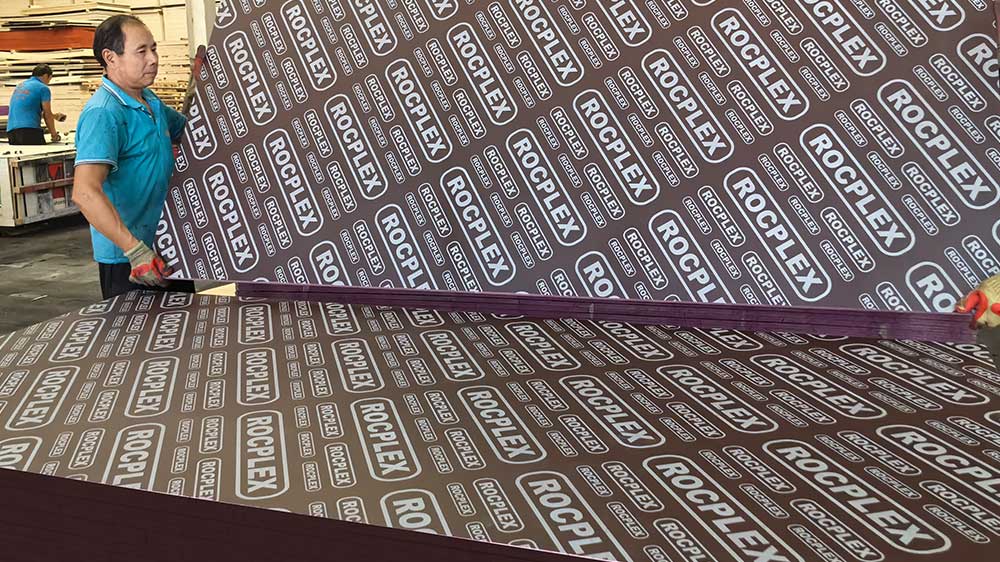
Film-faced plywood, formwork plywood, and shuttering plywood are the most common alternative names for this type of plywood. These names emphasize its primary use in construction, particularly for forming molds for concrete pouring. The phenolic film that coats the plywood gives it a smooth, durable surface that is resistant to water, chemicals, and abrasions, making it ideal for outdoor and wet environments.
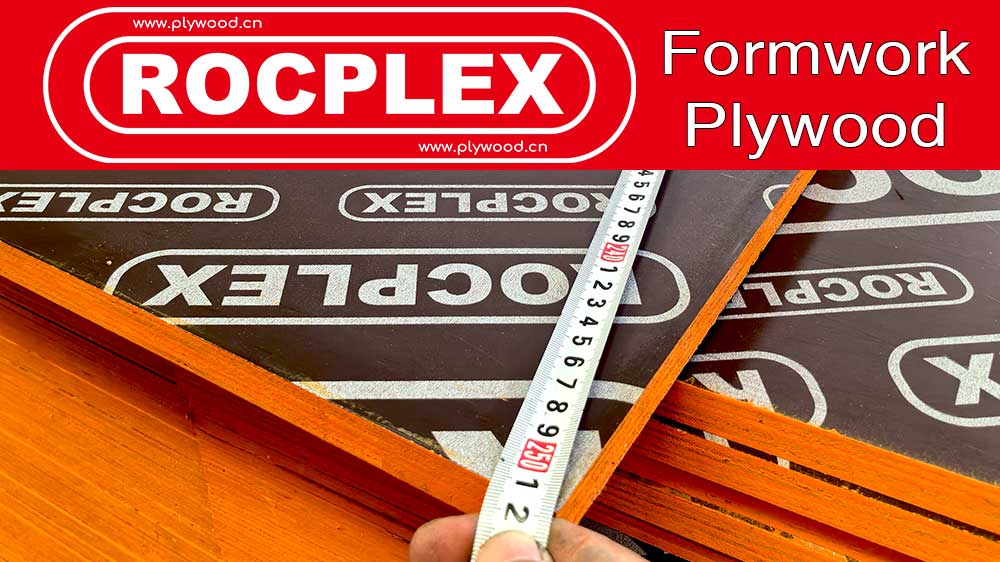
Phenolic resin plywood comes in various thicknesses and sizes. The most common thickness is 18mm, and it is often available in 4×8 sheets. This variety offers flexibility to meet different project requirements. Phenolic plywood delivers high performance, so builders use it widely in construction. It is also popular in DIY projects that need strength and durability.
Strength and Durability of Phenolic Resin Plywood
Builders use phenolic plywood so widely in construction mainly because it offers exceptional strength. The cross-laminated wood veneers and phenolic resin make this plywood incredibly strong. It can withstand high pressure and weight without deforming. This strength is crucial for projects like formwork and shuttering. In these applications, the plywood must support the weight of wet concrete. It also needs to withstand the forces generated as the concrete cures.
Phenolic plywood has a surface coated with a phenolic film. This coating makes it resistant to water and other environmental factors. Traditional plywood can deteriorate under these conditions, but phenolic plywood remains durable. The film also provides a smooth surface, which is easy to clean. This feature allows the plywood to be reused multiple times. As a result, it reduces costs in construction projects where formwork needs recycling.
Film Faced Plywood for Concrete Formwork
Film-faced plywood, also called phenolic resin plywood, works very well for concrete formwork. Builders use it to make molds for wet concrete. The smooth phenolic film stops the concrete from sticking, so crews can remove the panels cleanly after the concrete sets.
This ease of reuse is one of the key benefits of using film-faced plywood in formwork. It allows for multiple cycles of use, reducing the overall cost of materials in large construction projects. Additionally, the water resistance of phenolic resin plywood ensures that it will not degrade or warp when exposed to wet concrete or environmental moisture.
Shuttering Plywood for Load-Bearing Applications
Shuttering plywood, also called phenolic plywood, is common in load-bearing work because it offers strong support. In construction, shuttering refers to the process of temporarily supporting freshly poured concrete until it hardens. Because phenolic resin plywood is capable of withstanding the pressure and weight of wet concrete, it is a popular material for this purpose.
The durability of phenolic plywood supports both vertical and horizontal formwork. It can support concrete walls as well as slabs. Its strength ensures it maintains structural integrity throughout pouring and curing. This prevents any deformation that could impact the final shape of the concrete.
Moisture and Chemical Resistance of Phenolic Resin Plywood
One of the standout features of phenolic plywood is its resistance to moisture. This makes it an ideal choice for projects where exposure to water or humidity is a concern. The phenolic resin used in the manufacturing process creates a waterproof barrier, ensuring that the plywood remains stable even in wet environments. This matters most on outdoor construction sites, where rain and other moisture often affect materials.
Formwork Plywood in Wet Environments
In formwork applications, phenolic resin plywood frequently encounters wet concrete. This exposure can be challenging for other plywood types that lack water resistance. However, phenolic plywood resists moisture effectively. This property allows it to perform reliably in wet conditions. It ensures that the plywood does not absorb water during use. As a result, the plywood remains undamaged throughout the concrete curing process.
The moisture resistance of phenolic plywood makes it ideal for humid areas. It performs well in spaces like basements or bathrooms. In these environments, materials often face fluctuating moisture levels. This exposure can lead to warping, swelling, or degradation in traditional plywood. Phenolic resin plywood, however, resists these issues. It maintains its shape and strength over time. This quality makes it a reliable choice for long-term use in damp conditions.
Chemical Resistance for Industrial Applications
In addition to its moisture resistance, phenolic plywood is also resistant to chemicals. This makes it a popular choice for industrial applications, where exposure to harsh chemicals is common. The phenolic film that coats the plywood acts as a barrier, preventing chemicals from penetrating the wood and causing damage.
This chemical resistance is particularly valuable in construction projects involving concrete, as some additives used in concrete mixtures can be corrosive to certain materials. Phenolic resin plywood’s ability to resist these chemicals ensures that it will last longer and maintain its performance throughout the project.
Versatility and Applications of Phenolic Resin Plywood
Phenolic plywood is a highly versatile material that suits a wide range of construction and industrial applications. Its combination of strength, durability, and resistance to environmental factors makes it suitable for both temporary and permanent structures.
Construction Plywood for Flooring and Roofing
Phenolic resin plywood is used widely beyond just formwork and shuttering. It’s also common in flooring and roofing projects. In these applications, it provides a strong, stable base. This base can easily support the weight of people, furniture, or roofing materials. The water resistance of phenolic plywood is crucial in roofing. It must endure rain and other weather without degrading. This durability makes it a reliable choice in outdoor and exposed settings.
DIY Projects with Phenolic Resin Plywood
Phenolic resin plywood is not just for large construction projects. It’s also popular in DIY projects. Its strength and durability make it an excellent choice for various tasks. This plywood is ideal for building furniture or outdoor structures. It’s perfect for any project that requires a tough material. It can withstand heavy use and environmental exposure, making it reliable for long-term use.
Phenolic resin plywood is perfect for building outdoor tables or benches. Its moisture resistance prevents warping or rotting in the rain. It’s also ideal for workshop projects. In these settings, chemicals or water often come into contact with surfaces. The phenolic film protects the wood from such damage. This makes it a durable choice for a variety of uses.
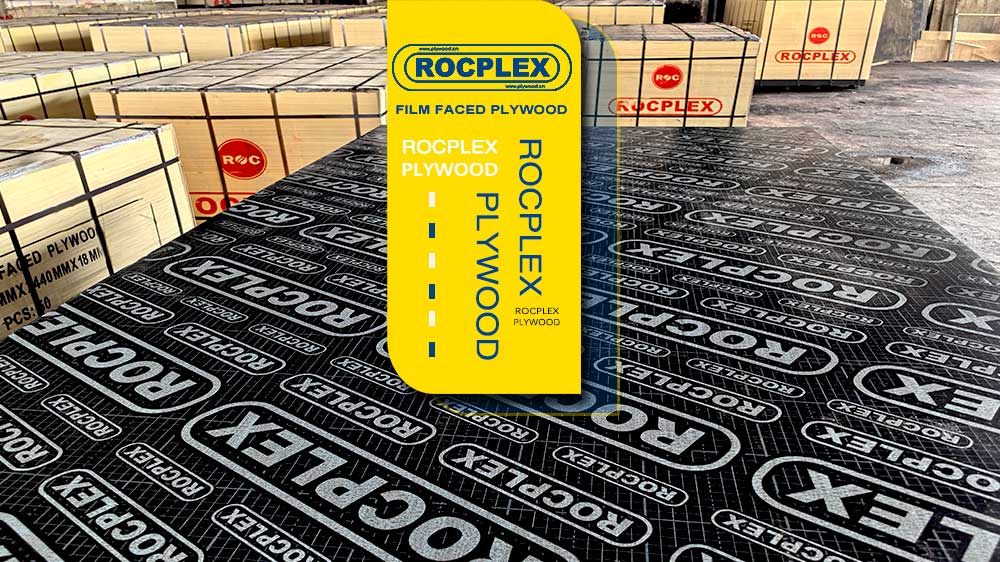
Types and Grades of Phenolic Resin Plywood
Like other types of plywood, phenolic plywood is available in different grades and thicknesses. These variations allow builders and DIY enthusiasts to choose the plywood that best suits their project’s needs, whether it’s for heavy-duty construction or decorative purposes.
High-Grade Phenolic Resin Plywood
High-grade phenolic plywood is characterized by its smooth, defect-free surface. This grade of plywood is ideal for applications where appearance is important, such as in furniture making or interior paneling. The smooth phenolic film provides an attractive finish that does not require additional painting or staining, making it a popular choice for decorative projects.
Standard Grade Phenolic Resin Plywood
Builders most often use standard-grade phenolic resin plywood in construction, where strength and durability matter more than appearance. While it may have some surface imperfections, these do not affect the plywood’s performance, making it suitable for use in formwork, flooring, and roofing.
The thickness of the plywood also plays a role in determining its suitability for different applications. Thicker plywood, such as 18mm phenolic plywood, is ideal for heavy-duty construction tasks that require maximum strength and load-bearing capacity. In contrast, thinner plywood suits lighter applications where weight matters.
Installation and Handling of Phenolic Resin Plywood
Phenolic plywood offers strong, durable performance, and it is also easy to work with. Despite its high performance in construction and industrial applications, this material remains user-friendly, making it suitable for a range of installation methods.
Cutting and Shaping Phenolic Resin Plywood
One of the benefits of phenolic resin plywood is its ease of cutting and shaping. Although it is durable and resistant to external factors, it can be cut using standard woodworking tools such as a circular saw, table saw, or jigsaw. When cutting phenolic plywood, it is important to use a fine-tooth blade to achieve a smooth edge and avoid chipping the phenolic film on the surface.
For precise cuts, pre-marking the sheet is essential. When cutting large sheets, such as 4×8 phenolic plywood, ensure the plywood is well-supported to avoid any damage during the cutting process. Depending on the application, cutting phenolic plywood into smaller sections can reduce waste and make handling easier, particularly for formwork.
Fastening and Joining Phenolic Resin Plywood
Fastening phenolic resin plywood is relatively straightforward. You can secure the material with screws, nails, or bolts, depending on the project. For formwork and shuttering, crews often choose bolts because they remove them faster and reuse them more easily.
If using screws or nails, it is advisable to pre-drill holes to prevent the plywood from splitting. This is particularly important when working with thicker sheets of phenolic plywood, such as 18mm thickness, where the added strength may increase the risk of splitting at the edges.
For applications where a smooth finish is required, screws or nails can be countersunk and filled in to create a seamless appearance. This is especially useful in projects like furniture making or decorative installations, where the plywood’s surface finish is on display.
Phenolic Resin Plywood vs. Other Types of Plywood
When it comes to construction materials, phenolic plywood is just one of many types of plywood available on the market. However, its specific properties set it apart from other plywood types, making it a preferred choice for demanding applications.
Phenolic Resin Plywood vs. Standard Construction Plywood
Standard construction plywood, while useful for many building projects, does not offer the same level of durability or water resistance as phenolic plywood. Traditional construction plywood is often used for interior projects or areas where moisture exposure is minimal. In contrast, phenolic resin plywood’s water-resistant qualities make it the superior choice for outdoor or high-moisture environments, such as formwork and shuttering.
Another difference between phenolic plywood and regular construction plywood is its smooth surface finish. The phenolic coating provides a polished appearance that requires no additional treatment, whereas standard plywood typically needs sanding, priming, and painting for a finished look.
Phenolic Resin Plywood vs. Marine-Grade Plywood
Marine-grade plywood is crafted to resist moisture. It’s commonly used in boat building or coastal construction. However, phenolic plywood offers added protection. The phenolic film gives it extra resistance to chemicals and heavy wear. This makes phenolic plywood more suitable for industrial applications. It is often preferred for heavy-duty construction needs as well.
Marine-grade plywood costs more because it uses a dedicated water-resistant build. In contrast, phenolic plywood offers a more cost-effective choice, especially for large concrete formwork jobs that require many sheets.
Environmental Impact and Sustainability of Phenolic Resin Plywood
In today’s construction industry, sustainability is an increasingly important consideration. Fortunately, phenolic resin plywood is considered a relatively eco-friendly material, especially compared to other construction materials. Its engineered structure maximizes the use of wood resources, reducing the need for large, solid wood pieces, which can contribute to deforestation.
Sustainable Forestry Practices
Many manufacturers source the wood veneers for phenolic plywood from responsibly managed forests. These forestry practices focus on controlled harvesting, replanting, and protecting biodiversity. By choosing phenolic plywood made from sustainably sourced wood, builders can help reduce the environmental impact of their projects.
Recyclability and Reusability
Another environmental benefit of phenolic resin plywood is its reusability. In formwork, crews can reuse the plywood many times, which cuts the need for new panels. In addition, when it reaches the end of its main service life, people often repurpose it for other jobs to extend its use even further.
The phenolic film coating also boosts durability, so the plywood is less likely to suffer early damage or wear that forces premature replacement. This makes phenolic plywood a cost-effective and environmentally friendly choice for projects that require high-performance materials.
Cost-Effectiveness of Phenolic Resin Plywood
One of the key advantages of phenolic plywood, particularly in construction applications, is its cost-effectiveness. While the initial cost of phenolic plywood may be higher than that of standard construction plywood, its durability and reusability make it a more economical choice in the long run.
Reduced Material Costs in Formwork
In formwork, builders can reuse phenolic resin plywood many times, which lowers material costs. Because it resists water and chemicals, crews can clean it, store it, and use it again without compromising its strength. This is a major advantage in large-scale construction projects, where the cost of formwork materials can add up quickly.
Additionally, phenolic resin plywood’s smooth surface finish reduces the need for additional treatments, such as sanding or painting, further lowering labor and material costs.
Lower Maintenance Costs
For permanent uses such as flooring or roofing, phenolic resin plywood’s water resistance and durability lower maintenance costs over time. It resists moisture and chemicals, so it suffers less damage and needs fewer repairs or replacements than many other materials.
Common Uses of Phenolic Resin Plywood in Construction
Phenolic resin plywood’s unique properties make it suitable for a wide range of construction applications, both temporary and permanent.
Concrete Formwork
Earlier, I noted that builders often choose phenolic resin plywood for concrete formwork because it is strong and leaves a smooth finish. Its water resistance helps it handle wet concrete without warping, and the phenolic film lets crews strip the formwork easily and reuse the panels.
Shuttering and Load-Bearing Applications
Phenolic resin plywood’s load-bearing capacity makes it an excellent material for shuttering, where it is used to support concrete as it cures. Its strength ensures that it can handle the weight and pressure of wet concrete without deforming, resulting in a smooth, even finish once the concrete has hardened.
Flooring and Roofing
In addition to its use in temporary formwork, phenolic resin plywood is also popular for permanent applications such as flooring and roofing. Its moisture resistance makes it ideal for these applications, particularly in areas where exposure to water is a concern.
FAQs About Phenolic Resin Plywood
Q: What is phenolic resin plywood commonly used for?
A: Phenolic resin plywood is most commonly used in construction for concrete formwork, shuttering, and load-bearing applications. It is also popular for flooring and roofing.
Q: How is phenolic resin plywood different from standard plywood?
A: Phenolic plywood is coated with a phenolic film, which makes it more durable and resistant to water and chemicals than standard plywood.
Q: Can phenolic resin plywood be reused?
A: Yes, phenolic resin plywood can be reused multiple times in formwork applications due to its strength and resistance to wear.
Q: Is phenolic resin plywood suitable for outdoor use?
A: Yes, phenolic plywood is highly resistant to moisture, making it suitable for outdoor applications, such as roofing and formwork.
Q: How does phenolic resin plywood compare to marine-grade plywood?
A: While both are water-resistant, phenolic plywood has a phenolic film coating that provides extra durability and chemical resistance, making it better suited for heavy-duty construction tasks.
Post time: Nov-09-2024