

What is Plywood Form Work?
Plywood form work is a fundamental material in the construction industry. Manufacturers design it specifically to create molds that shape and support wet concrete. The formwork holds the concrete in place until it sets and hardens. This process, known as formwork, is crucial for constructing concrete structures with precision and stability. Manufacturers make plywood formwork by bonding multiple wood veneer layers together. This creates a strong, stable, and durable panel. It can withstand the demands of construction environments.
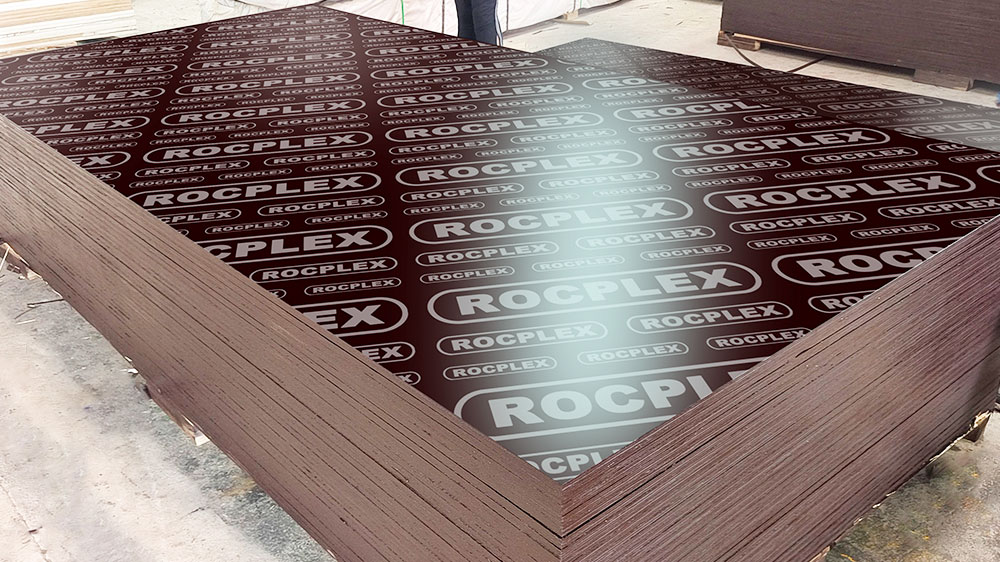
Plywood formwork provides a temporary framework or mold for concrete pours. This allows the concrete to take the desired shape while it sets and hardens. Given its critical role, plywood form work must exhibit high strength, durability, and resistance to moisture. Manufacturers often apply special coatings or films to improve performance and extend service life. These treatments allow crews to reuse the panels many times. As a result, builders and contractors get a more cost-effective solution.
The Importance of Plywood Formwork in Construction
Plywood form work is indispensable in construction due to its strength and versatility. It supports concrete structures and keeps the form stable. This support helps crews form concrete accurately and work efficiently. Plywood formwork is highly durable. It can withstand the significant weight and pressure of wet concrete. This prevents warping or breaking during use. Its strength is crucial for maintaining the integrity of the construction project.
In large-scale construction projects, the precision and stability offered by plywood form work are particularly valuable. For instance, in the construction of bridges, tunnels, and high-rise buildings, high-quality plywood form work ensures that concrete sets correctly and maintains its structural integrity over time. This reduces the likelihood of structural failures, which can be costly and dangerous.
Additionally, construction plywood is essential for projects that require complex concrete forms. Plywood formwork is highly versatile. It can be used in various shapes and configurations. This enables builders to create intricate designs and structures. Its flexibility is especially valuable in modern architecture. Innovative and unique concrete forms are often needed. These forms help achieve distinctive aesthetic effects.
The use of plywood form work also enhances the efficiency of the construction process. Crews can reuse it many times. This reduces frequent replacements and helps save time and materials. As a result, plywood formwork becomes a cost-effective option for builders and contractors, supporting faster progress and better budget control.
Types of Plywood Formwork
Plywood form work comes in various types, each designed to meet specific requirements and conditions in construction projects. The choice of plywood type can significantly impact the quality and efficiency of the construction process.
Film Faced Plywood Formwork
Film-faced plywood formwork is coated with a resin film on both sides. This coating provides a smooth surface, ensuring easy removal from the set concrete. It is popular for high-quality concrete finishes. The plywood can be reused multiple times, making it a cost-effective option.
The resin film coating adds extra protection. It helps block moisture and common construction chemicals, so the plywood lasts longer and holds its shape better across pours. Because it leaves a smoother, more consistent face, it also suits projects where the concrete finish must look clean and uniform. For this reason, builders often choose it for architectural and decorative concrete work.
Waterproof Plywood Form Work
Waterproof plywood form work is treated with special waterproofing agents, making it highly resistant to water damage. This type of plywood is ideal for projects exposed to moisture or those requiring prolonged exposure to wet conditions.
Waterproof shuttering plywood is particularly useful in projects such as foundations, basements, and other structures that are in contact with the ground or exposed to water. The waterproof treatment ensures that the plywood maintains its strength and stability even in wet conditions, preventing warping and degradation.
Structural Plywood Formwork
Structural plywood form work is designed to support significant loads, making it suitable for heavy-duty construction projects. Its robust construction ensures stability and durability under extreme conditions, providing reliable support for large-scale concrete structures.
Builders often use this plywood for bridges, high-rise buildings, and other projects that require high load capacity. Its strength and dimensional stability help the formwork hold its shape under pressure, making it a reliable choice for demanding structural work.

Advantages of Using Plywood Form Work
Using plywood form work offers numerous advantages in construction projects, including:
- Durability and Strength: Plywood formwork withstands heavy loads and harsh conditions. This strength ensures reliable performance throughout the construction process.
- Smooth Surface Finish: Film faced shuttering plywood provides a smooth surface for concrete formwork, resulting in high-quality concrete finishes.
- Reusability: Builders and contractors can reuse plywood formwork many times. This reuse makes it a cost-effective solution.
- Versatility: Builders use this material across many projects. It suits residential, commercial, and infrastructure work.
- Moisture Resistance: Waterproof construction plywood ensures that the material remains stable and durable even in wet conditions.
The reusability of plywood formwork is one of its biggest advantages. Film-faced panels can handle repeated pours, which reduces the need for frequent replacement. As a result, builders lower material costs, cut waste, and support more sustainable construction practices.The smooth surface finish also enhances the aesthetic appeal of the concrete. This is especially important in projects where concrete appearance is a key consideration.
Phenolic plywood suits a wide range of applications. Builders use it for basic residential foundations as well as larger commercial and infrastructure projects. This flexibility makes it a practical choice for contractors, because it supports different formwork needs and helps teams handle varied site demands with confidence.
Applications of Plywood Form Work
Plywood formwork supports many construction projects. This broad use shows its versatility and its essential role in the industry.
Residential Construction
In residential construction, builders use construction plywood to form concrete foundations, walls, and other structural elements. It helps crews build accurate forms, so the concrete sets to the right shape and dimensions. As a result, the home starts with a stable, secure base.
Home builders also use plywood formwork to form driveways, patios, and other outdoor concrete features. The material’s durability and smooth surface finish ensure that these structures are both functional and aesthetically pleasing.
Commercial Construction
Commercial construction projects, such as office buildings and shopping centers, often require large-scale concrete structures. Shuttering plywood is essential in these projects, providing the necessary support and stability to form complex concrete designs.
In commercial buildings, crews use construction plywood to form columns, beams, and other structural elements. They also use it to form concrete walls and floors. The material’s strength and versatility make it ideal for creating the robust structures needed in these projects.
Infrastructure Projects
Infrastructure projects, such as bridges, highways, and tunnels, rely heavily on plywood form work for concrete formwork. The material’s durability and strength make it ideal for these demanding applications, ensuring the long-term stability and safety of the infrastructure.
In bridge construction, crews use phenolic plywood to form piers, abutments, and decks. It provides the support these critical structures need. Crews also use it for retaining walls, culverts, and other infrastructure components. These components demand high load capacity and long-term durability.
Maintenance and Handling of Shuttering Plywood
Proper maintenance and careful handling of shuttering plywood are critical for long service life and consistent performance. When builders follow simple best practices—such as cleaning after each pour, avoiding impact damage, repairing edges, and storing panels correctly—they can extend reuse cycles and keep formwork results stable from job to job.
Storage
Store plywood formwork in a dry, well-ventilated area to limit moisture absorption and reduce damage. Stack sheets flat on a level base, and keep them off the ground if possible. Then cover the stack to protect it from direct sun and rain while still allowing airflow. With proper storage, the panels stay straighter and are less likely to warp, crack, or degrade.
Cleaning
Clean construction plywood after each use. Brush or scrape off concrete residue, dirt, and debris, then rinse the surface with clean water. For film faced plywood, avoid harsh chemicals and abrasive tools that can scratch or strip the resin coating. Instead, use a soft brush or plastic scraper and rinse with clean water. With regular, gentle cleaning, panels stay in better condition, last through more reuse cycles, and keep a smooth face for the next concrete pour.
Inspection
Regular inspection of plywood form work is crucial to identify any signs of damage, such as cracks, splits, or delamination. Repair or replace damaged sections promptly. This action helps crews maintain safe, stable formwork. Inspecting the plywood before and after each use helps detect potential issues early and prevent costly delays or accidents on the construction site.
Innovations in Shuttering Plywood Form
The construction industry keeps improving phenolic plywood to boost its performance and widen its uses. In recent years, manufacturers have introduced better materials, tougher coatings, and smarter production methods. As a result, phenolic plywood can last longer, handle harsher sites, and deliver more consistent results across different projects.
High-Performance Coatings
Coating suppliers have developed high-performance finishes that boost plywood formwork durability and moisture resistance. These coatings improve protection against water, construction chemicals, and surface abrasion, so the panels hold up longer and perform more reliably in harsh jobsite conditions.
Eco-Friendly Options
As sustainability becomes increasingly important in construction, eco-friendly shuttering plywood options have emerged. Manufacturers source the wood from sustainably managed forests. They also use more eco-friendly adhesives and coatings. They offer the same strength and durability as traditional plywood form work while reducing the environmental impact of construction projects.
Lightweight Alternatives
Innovations in manufacturing processes have led to the development of lightweight construction plywood options. These materials offer the same strength and stability as traditional plywood but are easier to handle and transport, reducing labor costs and improving efficiency on the construction site.
Frequently Asked Questions about Plywood Form Work
Q: What is plywood form used for?
A: Builders use plywood formwork to create molds and frames for concrete work. It helps crews shape the concrete accurately and keeps the form steady during the pour and curing stage.
Q: How long can plywood formwork be used?
A: The quality and type determine how many times crews can reuse plywood formwork. With the right panel, builders can reuse it many times and lower total costs.
Q: Is plywood formwork waterproof?
A: Manufacturers treat some plywood formwork types, such as waterproof plywood formwork, to resist water damage. This treatment makes them suitable for wet conditions.
Q: What are the benefits of using film faced plywood form work?
A: Film faced plywood formwork provides a smooth surface for concrete formwork, ensuring easy removal and a high-quality finish.
Q: How does plywood form work differ from regular plywood?
A: Plywood form work is specifically designed for concrete formwork, offering enhanced strength, durability, and moisture resistance compared to regular plywood.
Q: Can plywood formwork be used for all types of construction?
A: Yes. Builders use plywood formwork across many project types, including residential, commercial, and infrastructure work.
Plywood Form: A Crucial Component
Plywood formwork plays a key role in construction because it is strong, durable, and versatile. When builders use it correctly, they can form concrete faster, control dimensions more accurately, and achieve a cleaner surface finish. As a result, plywood formwork supports reliable project outcomes and helps deliver concrete structures that remain stable and durable over the long term.
Proper maintenance and handling practices are important. They help maximize the lifespan and performance of plywood formwork. This ensures its effectiveness throughout multiple construction projects. Ongoing innovations in plywood formwork further enhance its capabilities. These improvements make it an even more valuable material in modern construction.
Plywood formwork contributes to the efficiency and quality of construction projects. It also supports sustainable building practices. As the construction industry evolves, plywood formwork will remain fundamental. It plays a key role in creating strong, stable, and aesthetically pleasing concrete structures.
Post time: Sep-21-2024