

Film Faced Plywood is the go-to sheet for modern formwork because it helps crews pour cleaner concrete, strip faster, and reuse panels with fewer repairs. On busy slab and wall cycles, the sealed film surface and stable core reduce sticking, edge swelling, and face damage. In this guide, we explain why contractors choose it, how it compares with shuttering plywood options, and how to select the right spec for your next project with ROCPLEX.
ROCPLEX supplies formwork panels to global wholesalers and building sites. We build panels for hard pours, wet weather, and busy yards. This release explains the “why” behind the product choice. It also shares simple habits that protect your panels on site.
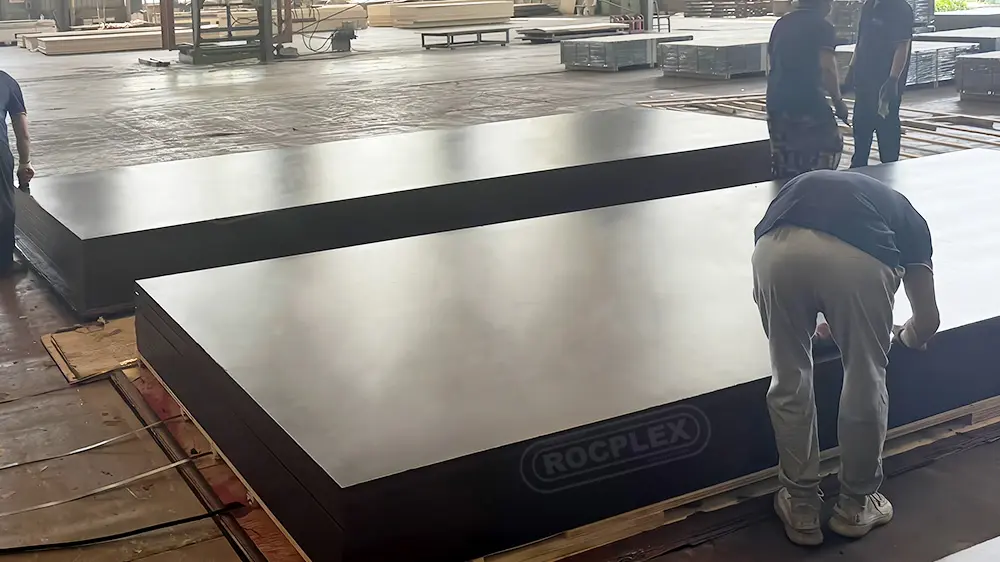
The real job of Film Faced Plywood in formwork
Concrete pushes outward with force. It also carries water, sand, and cement paste. Your panels must resist load and keep shape. They must also release the next day without tearing.
Film Faced Plywood works because it blends two strengths. The wood core carries load across joists and walers. The film face shields the veneers from wear and water. Together, they support repeat pours with steady finish quality.
A good panel does more than “hold concrete.” It sets the pace of your cycle, affects labor hours, crane time, and patch work. It also affects how your slab or wall looks at handover.
What makes formwork plywood different from regular plywood
Interior plywood hates water. It swells, cups, and loses strength. Basic panels also absorb cement paste. Then the face tears during stripping.
Formwork plywood uses exterior glue and a tougher skin. That skin reduces water entry through the face. It also reduces abrasion from vibration and concrete flow. The result is fewer defects and less down time.
Many teams call this product shuttering plywood. Some buyers prefer the term concrete form plywood. Others buy it as phenolic film panels for high reuse jobs. The names vary, but the purpose stays the same.
Film Faced Plywood brings cleaner concrete faces
Concrete finish starts at the form surface. A smooth film face gives a flat contact plane. That plane helps reduce voids and stains. It also makes it easier to hit sharp corners.
Crews often notice the difference on the first strip. The panel face looks cleaner. The concrete surface looks more even. Repair work can drop on exposed walls.
This benefit matters for slabs too. Neat slab edges reduce grinding. Clean soffits reduce patching. A better finish also helps inspections move faster.
Film Faced Plywood reduces sticking and speeds stripping
Sticking costs time and breaks corners. The film creates a low stick face. Concrete paste does not bite into it as much. Stripping becomes smoother and safer.
Release oil still matters. Use a light, even coat. Avoid thick oil that traps grit. Grit can scratch the film and mark the concrete.
After stripping, clean panels early. A plastic scraper works well. Rinse with low pressure water. Let panels dry before stacking.
Water resistance in Film Faced Plywood comes from film, glue, and edges
Many buyers ask one direct question. “Is the panel waterproof?” The honest answer is simple. This system resists water, yet poor handling still causes damage. Face film blocks most moisture. Strong glue lines must also resist wet cycles.
WBP plywood is a common market term for that glue class. WBP often means “weather and boil proof” in trade use.
Edges still need protection. Water enters through cut edges and nail holes. Factory edge paint slows that entry. On site sealing finishes the job.
If your site sees heavy rain, plan storage first. Keep stacks off the ground. Cover them from rain and sun. Leave air gaps for drying.
- For plywood definitions and structural panel basics, refer to APA – The Engineered Wood Association:
- https://www.apawood.org/
- For formwork terminology and general guidance, see The Concrete Society (formwork resources and publications):
- https://www.concrete.org.uk/
- For an overview of plywood manufacturing and common panel terms, see Britannica:
- https://www.britannica.com/technology/plywood
- For workplace safety context related to formwork systems, see Safe Work Australia (general construction safety resources):
- https://www.safeworkaustralia.gov.au/
Reuse value matters more than first cost
Most buyers compare prices per sheet. Seasoned builders compare costs per pour. A panel that lasts longer cuts waste. It also reduces urgent buying on site.
Reuse cycles depend on three drivers. They depend on core grade, film type, and handling. Some users see five pours from entry panels. Others reach ten or more with better build and care.
Higher reuse also reduces labor. Less breakage means fewer patches. Fewer patches mean faster setup. That speed can matter more than the panel price.
The Film Faced Plywood surface film explained in plain terms
Film is paper plus resin under heat. It becomes a hard skin on both faces. The skin resists wear from boots and tools. It also resists alkaline splash from fresh concrete.
Phenolic film plywood uses phenolic resin film. That film tends to resist abrasion well. It also handles concrete alkali better in many jobs.
Melamine film can suit lighter duty work. It can also fit tighter budgets. For heavy cycling, phenolic film often wins. Match film type to your target reuse.
Film color helps quick site sorting. Black and brown are common choices. Still, color does not prove performance. Ask for film weight and test records instead.
Core choices for Film Faced Plywood affect strength and flatness
The core takes the load between supports. Core quality also affects screw holding. It affects warping during wet cycles too. That is why core selection matters.
Hardwood cores often give higher strength. They also give better edge holding. Poplar cores can be lighter to handle. They can still work well on short span decks.
A combi core can balance cost and stiffness. It often uses mixed hardwood and poplar layers. For high reuse jobs, choose tighter veneer grading. Also choose better sanding and patch control.
Some buyers ask for birch film faced plywood. Birch often offers strong veneers and tight layers. It can support demanding pours when the build is consistent. For many yards, it sits in the premium tier.
Film Faced Plywood thickness and sizing for real formwork systems
Thickness choice should follow your form design. Span, load, and support spacing decide the target. Manual handling limits also matter on site. Choose thickness that your crew can move safely.
Many slab teams use 18 mm for standard decks. That thickness often balances stiffness and weight. For shorter spans, 12 mm can work well. For heavy frames, 21 mm adds stiffness.
Sheet size also drives labor time. 1220 x 2440 mm is common in many markets. Large sizes reduce joints on big decks. Smaller cuts can reduce waste on tight sites.
When you cut panels, protect the new edge. Use a sharp blade for clean cuts. Seal every cut edge right away. This one step saves many panels.
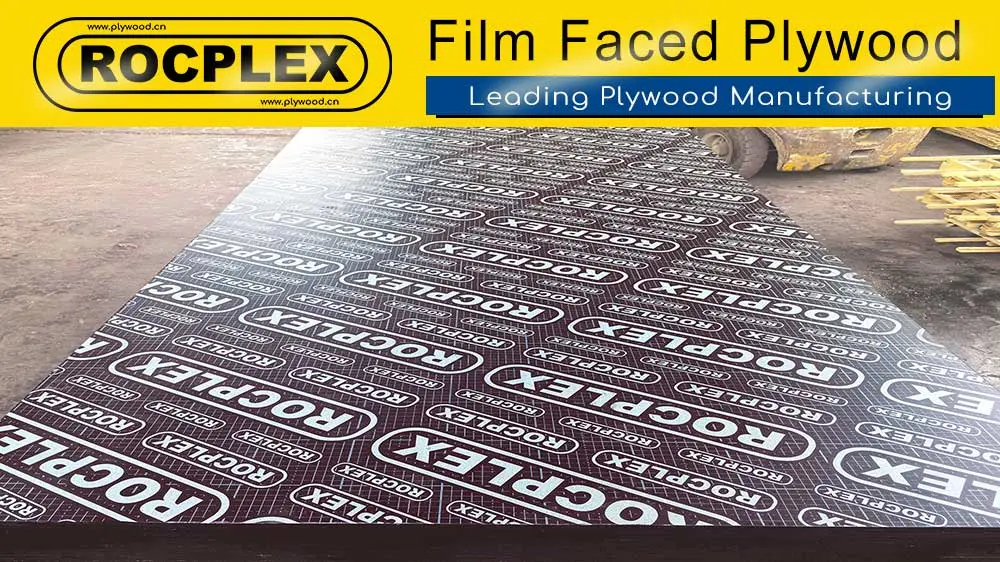
Film Faced Plywood edge sealing is the quiet hero of long life
Edges see the worst impacts. They hit steel, nails, and ground. They also absorb water faster than faces. Good sealing reduces those risks.
Factory edge paint slows moisture entry. It also helps reduce veneer lift at the rim. On site edge sealer completes the protection. Reapply after each cut and after deep chips.
Corner damage is also common. Use corner guards during transport. Stack panels with face protection sheets. Train crews to avoid dragging corners.
Small repairs matter. Patch nail holes after stripping. Fill chips before the next pour. Fast fixes prevent deeper swelling later.
Common site pain points and simple fixes
Many claims come from repeat mistakes. The fixes are simple once you name them. Use this list as a quick tool box.
Swelling points to weak storage and poor edge sealing. Scratches often come from grit and harsh tools. Broken corners often come from rough stripping and pry bars. Warping often comes from uneven storage support.
Another issue is over nailing. Deep nails crush the top veneer. They also create water paths. Use controlled depth and correct nail spacing.
Fastener choice matters too. Screws often reduce blowouts near edges. Pre drilling helps near panel corners. Keep holes clean and seal them later.
Film Faced Plywood supports faster cycles on slabs
Slab work rewards rhythm. Panels, beams, and props must work together. When panels stay flat, crews align faster. When faces stay clean, stripping stays smooth.
Speed gains show up in small tasks. Workers spend less time scraping. They spend less time patching edges. They also spend less time hunting replacement sheets.
The outcome is a steadier pour plan. That plan helps concrete supply and pump booking. It also helps safety checks stay on schedule. Small time wins add up fast on large pours.
Film Faced Plywood helps wall forms stay true
Wall forms demand straightness. Any bow shows on the finished wall. Film faced panels reduce face wear across repeats. That helps keep the line consistent.
Tight joints also matter on walls. Flat panels reduce gaps and leaks. Less leak means fewer fins and honeycombs. That improves finish and reduces repair.
Corners need extra care on wall work. Use strong edge frames or corner angles. Avoid impact hits during stripping. Protect corners in the yard between pours.
People also ask about Film Faced Plywood
Search data shows the same themes. Buyers want practical answers. They want numbers and habits. They also want clear limits.
Is it safe to use in wet weather
Yes, if you plan storage and sealing. The film resists water on the face. Exterior glue supports wet cycles. Still, avoid long soaking on muddy ground.
How many times can one panel be used
Cycle counts vary by job and care. Entry panels may last around five pours. Better panels can reach ten or more. Some guides cite 5 to 20 plus cycles with good practice.
Which face should touch the concrete
Use the best face for contact. Mark panels so crews stay consistent. Keep that face clean between pours. Apply release oil in a thin coat.
What causes black stains on concrete
Dirty oil causes stains. Wet stacks also cause stains. Old cement paste can also transfer. Clean early and store dry to avoid it.
Can I paint or coat the film face
Most coatings do not bond well to film. If you need a coating, test first. In many cases, a fresh panel works best. For special finishes, ask your supplier for options.
What is the difference between phenolic and melamine film
Phenolic film often offers higher wear resistance. It also resists concrete alkali well in many jobs. Melamine film can suit light duty work. Choose based on cycles and budget.
How do I stop edge swelling
Seal edges after every cut. Patch damage before the next pour. Store stacks flat on dry bearers. Keep panels out of standing water.
ROCPLEX Film Faced Plywood fits demanding formwork schedules
ROCPLEX supplies Film Faced Plywood for shuttering and formwork. Our panel uses a phenolic film overlay for a smooth concrete finish. It resists moisture, abrasion, and alkaline splash in daily work.
We keep specs clear and repeatable. We offer common sizes and thickness options for stock planning. That helps wholesalers keep one SKU set. It also helps sites reduce mixing issues.
Quality control must cover the full process. Veneer grading sets the core baseline. Glue spread and press control lock the bond. Edge sealing and sanding finish the surface.
Packing also matters for export orders. We pack panels to reduce corner hits. We label packs for quick site sorting. Clear packing reduces claims after unloading.
If you need stable supply, ask for a trial pack. Run it on one slab cycle. Track finish quality and damage points. Then scale with real site data.
A buyer focused checklist for the next container
This list helps wholesalers and sites move faster. It also helps you avoid most disputes.
Confirm the target use, slab or wall. Set the cycle goal and finish level. Check core type and thickness. Verify film type and edge sealing.
Request photos of faces and edges before shipping. Ask for packing method and corner protection. Define a simple inspection plan on arrival. Log results and share feedback early.
If you want a clear offer from ROCPLEX, send four items. Send the size and thickness. Add the core choice and film type. Include the destination port and target date.
Closing note for project teams
Formwork is a system that rewards discipline. Panels touch every pour, every day. When the panels perform well, cycles speed up. Concrete finish also improves.
Start simple if you want better results. Standardize one proven spec. Teach crews the cleaning and sealing habits. Then enjoy a calmer pour schedule.
Cost per pour with Film Faced Plywood is easy to track
Many teams guess reuse cycles. A simple log removes the guesswork. Write the pour number on each panel edge. Update the count after each strip.
Then run one quick cost check. Divide panel cost by pours achieved. Add repair time and waste panels. That gives a fair cost per pour.
Here is a simple example. A panel costs ten dollars. You use it ten pours. Your panel cost per pour is one dollar.
Now compare two choices. A cheaper panel may cost eight dollars. It may last only five pours. Its panel cost per pour becomes one sixty.
This is why buyers focus on reuse value. Small differences multiply across large decks. They also multiply across many job sites. A clear log helps you buy with confidence.
Shipping Film Faced Plywood safely to site
Export shipping adds risks that sites do not see. Moisture, corner hits, and strap marks cause complaints. A good packing plan prevents most of them. It also saves time during unloading.
Ask for dry packing and clean pallets. Use corner guards under straps. Use face protect sheets between packs. Label packs by thickness for fast sorting.
If you ship film faced plywood sheets to humid ports, add extra wrap. Use desiccant bags inside the container. Vent the container when local rules allow it. Plan quick delivery to reduce long storage at the port.
On arrival, open the doors and check moisture smell. If packs feel damp, let air move first. Restack on bearers in a covered area. This step helps avoid mold marks.
When to choose other panels instead
Film faced panels fit most daily pours. Some projects need a different skin. High rise cycles may demand extra wear resistance. Chemical sites may demand stronger surface protection.
Plastic coated panels can suit high cycle systems. HPL faced panels can suit hard wear zones. Steel and aluminum forms fit large repeat projects. Timber forms fit small and custom shapes.
Still, many teams start with film faced formwork panels. It gives a strong balance of cost and speed. It also works with common framing systems. That flexibility keeps procurement simple.
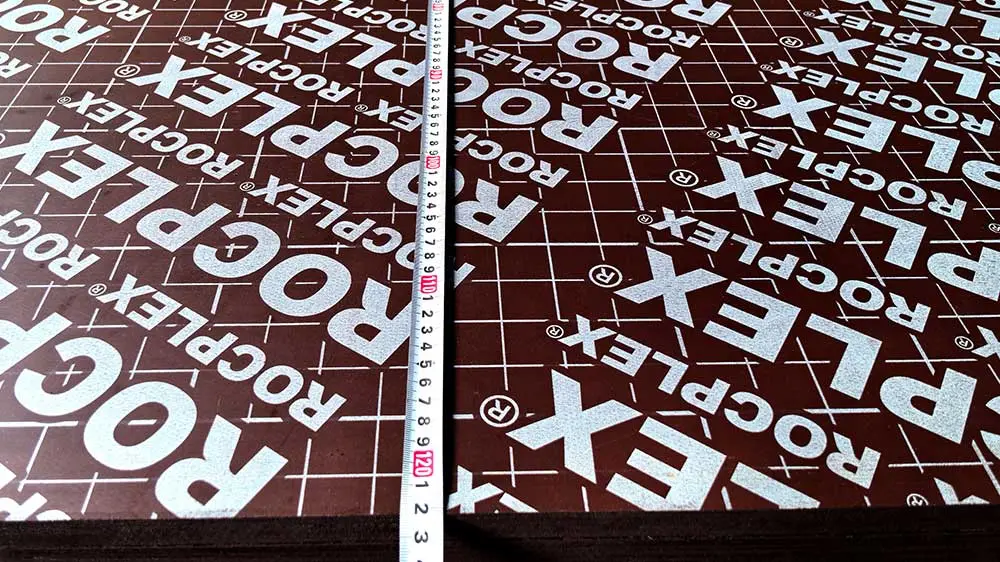
Related ROCPLEX resources:
- Learn more about our ROCPLEX Film Faced Plywood specifications and packing options. (Internal link to your Film Faced Plywood product page)
- Compare Formwork Plywood vs Shuttering Plywood for different pour cycles. (Internal link to your comparison post)
- See our Anti-Slip Film Faced Plywood for trailer floors and high-grip platforms. (Internal link to that product page)
- Explore H20 Formwork Beams to build a complete slab formwork system. (Internal link to your beams category or product page)
- Read our guide on formwork panels and reuse tips for longer service life. (Internal link to any maintenance / reuse article)
Compliance and documentation that buyers ask for
Global trade brings more paperwork each year. Sites also ask for proof of spec. Good suppliers prepare these items early. Buyers then clear customs with less stress.
Request packing lists and batch marks. Check thickness and size records. Ask for glue class confirmation and test notes. Keep documents ready for your customer file.
Some markets request sustainability claims. If you need certified sourcing, tell your supplier at inquiry time. Match the claim on paperwork and packing marks. This avoids delays at inspection.
One more tip helps buyers reduce disputes. Agree on a simple defect list before shipping. Set photo rules for claims and for loading checks. Clear rules keep partnerships calm.
Include a simple care sheet in each pack. Share it with the site foreman on day one. Good habits protect corners and edges. Better handling also lifts reuse value. This small step reduces claims for everyone.
Post time: Apr-12-2023